
Quick Answer
A deep dive into 2010s teen dramas, from Gossip Girl to Pretty Little Liars, and how darker storytelling, technology, and fandom shaped a generation and pop culture.
A decade of dark teen drama
Teen dramas have always had a hold on pop culture, but the shows that defined the 2010s felt different. They didn’t just entertain - they pushed boundaries, sparked controversy, and blurred the line between escapism and uncomfortable realism. In doing so, they captured the messy, hyper-aware experience of coming of age in a decade shaped by social media, scandal, and self-exposure.
Darker, steamier, and far more provocative, they reflected a generation growing up alongside constant visibility, digital anxiety, and heightened emotion. In this article, Hollywood Branded examines how 2010s teen dramas transformed the genre and reflected a generation’s anxieties and fantasies around identity, technology, and intimacy - leaving a cultural imprint that still lingers today.
 Photo Credit: ABC Family/Freeform
when teen tv got dark
Teen dramas had already carved out a place on television by the early 2000s. Shows like The OC, One Tree Hill, and Gilmore Girls laid the groundwork. They were emotionally rich, relationship-driven stories that took teenage life seriously. But by the time the 2010s rolled around, something shifted. Teen television didn’t just grow up, it got darker.
Series like Pretty Little Liars, The Vampire Diaries, and Gossip Girl dominated the decade, trading everyday teenage problems for heightened worlds built on secrecy, obsessio,n and spectacle. These weren’t just coming-of-age stories; they blended thriller, fantasy, and melodrama into something far more provocative. The stakes were higher, the romances steamier, and the tone more intense.
A major driver of that shift was technology. The 2010s teen drama was inseparable from the rise of cell phones, texting, and digital surveillance. Phones weren’t just props, they were weapons. Anonymous messages, leaked photos, and omniscient narrators turned communication into a source of fear rather than connection. In Pretty Little Liars, a single text could unravel a character’s entire life. In Gossip Girl, the act of being watched was the point. These shows tapped into a growing anxiety around privacy and visibility, using digital spaces to explore control, exposure, and power.
Together, these series captured a version of teenage life that felt heightened, performative, and constantly under pressure. Emotions were bigger, consequences felt heavier, and secrets were never safe. Teen dramas of the 2010s didn’t aim for realism - they aimed for immersion.
And importantly, many of the shows that defined this darker era didn’t originate on screen at all. They began on the page.
:max_bytes(150000):strip_icc()/vd207e_0270b-2000-85f48a9c99634caf8a3b7f528594ca6b.jpg)
Photo Credit: Entertainment Weekly
From page to prime time
Many of the teen dramas that defined the 2010s didn’t begin on the page. Pretty Little Liars, The Vampire Diaries, and Gossip Girl were all adapted from popular book series, giving television stories with built-in worlds, heightened emotions, and characters audiences were already primed to obsess over.
What television did best wasn’t simply adapting these stories, but interpreting them. Unlike films, which often condense novels into a single arc, serialized TV allowed these worlds to expand and then spiral. Plot lines stretched, twisted, and multiplied. Characters returned from the dead. Secrets piled up. Stakes escalated far beyond reality. The shows weren’t afraid to go wild with the material, leaning into scandal, shock, and excess in a way that made every episode feel unhinged in the best way.
That unpredictability was the appeal. The constant twists, betrayals, and romantic chaos turned teen angst into spectacle. Cliffhangers replaced chapter breaks, and shock became part of the storytelling rhythm. These series weren’t subtle or restrained; they were dramatic, indulgent, and deeply fun to watch.
In many ways, these adaptations succeeded because they understood their audience. Teen viewers weren’t looking for realism; they wanted intensity, continuity, and characters they could follow obsessively. Books provided the blueprint, but television provided the scale. Together, they created worlds that felt expansive enough to live in, not just watch.
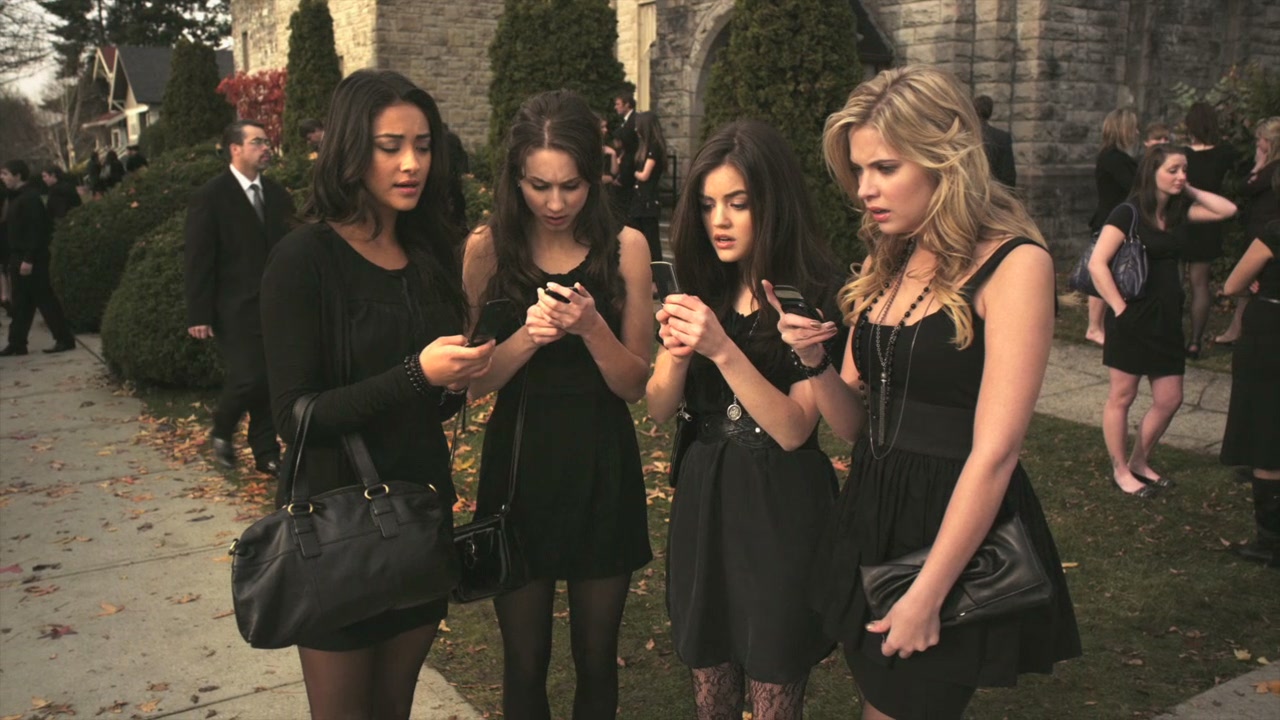
Photo Credit: ABC Family/Freeform
tumblr, fashion, and the era of teen obsession
The influence of 2010s teen dramas didn’t end when episodes went off the air. These shows embedded themselves into how audiences engaged with television, turning viewing into something participatory, emotional and communal. They weren’t just shows you watched once a week, they were worlds you lived inside.
Tumblr became the unofficial headquarters of teen drama fandom. GIF sets circulated within minutes of episodes airing. Quotes were reposted endlessly. Entire online identities formed around favorite characters and ships. The drama didn’t stop at the episode’s final scene - it continued through edits, theories, and Reddit discourse shared in real time. Watching became obsessive by design, fueled by cliffhangers and unresolved tension that demanded discussion.
This kind of engagement helped explain why these shows lasted as long as they did. They rewarded emotional investment and encouraged viewers to care deeply, argue passionately, and return week after week. Teen dramas of the 2010s were dissected, defended, and lived with.

style, soundtracks, and stardom like no other
Beyond fandom spaces, these shows also shaped taste. Fashion played a defining role, especially in series like Gossip Girl, where wardrobe functioned as narrative language. Clothing communicated power, control, and chaos before characters ever spoke. Pretty Little Liars reflected a more attainable, Tumblr-era aesthetic, with each character’s style reinforcing her personality and emotional arc. These looks didn’t just stay on screen - they influenced how viewers dressed and presented themselves.
Music became inseparable from the emotional experience of these shows. Carefully curated soundtracks introduced audiences to artists they would forever associate with heartbreak, longing or desire. A single song could instantly transport viewers back to a scene, a character, or a feeling. Teen dramas taught a generation how to feel television, not just watch it.
Just as importantly, these series created stars. Blake Lively, Leighton Meester, Nina Dobrev, Ian Somerhalder, and Lucy Hale didn’t just emerge as actors; they became cultural fixtures. Their characters bled into their public personas, blurring the line between fiction and celebrity and foreshadowing today’s influencer-driven culture. Teen dramas didn’t just tell stories; they produced icons.
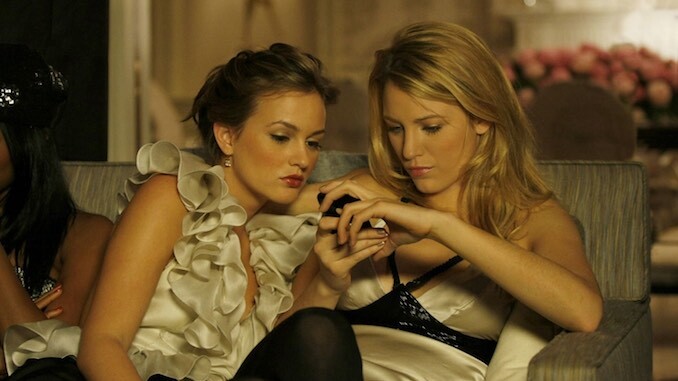
Photo Credit: The CW
The blueprint that still works
While the era of peak 2010s teen drama may have passed, its influence hasn’t faded - it’s been extended. One of the clearest signs of that longevity is how many of these shows went on to spawn spin-offs, reboots, and reimaginings. Pretty Little Liars returned in multiple forms, Gossip Girl was revived for a new generation, and The Vampire Diaries expanded into an entire universe with The Originals and Legacies. These weren’t one-off stories. They were worlds designed to keep going.
That impulse speaks to how effective the original blueprint was. These series built expansive mythologies, emotionally invested fanbases, and characters audiences weren’t ready to let go of. Spin-offs didn’t just capitalize on name recognition; they relied on the same core elements that made the originals work; serialized storytelling, heightened emotion, and a sense of immersion that encouraged long-term attachment.
Today’s teen and young adult series may look different on the surface, but they’re still drawing from that foundation. The chaos has softened, the tone has shifted toward sincerity, but the structure remains the same: long-form romance, emotional stakes, and stories built to be lived with over time. What’s changed isn’t the appetite for obsession, it’s the way it’s expressed.
In that sense, 2010s teen dramas didn’t just define a moment. They created a model for how television builds loyalty, expands universes, and keeps audiences coming back long after the original story ends.
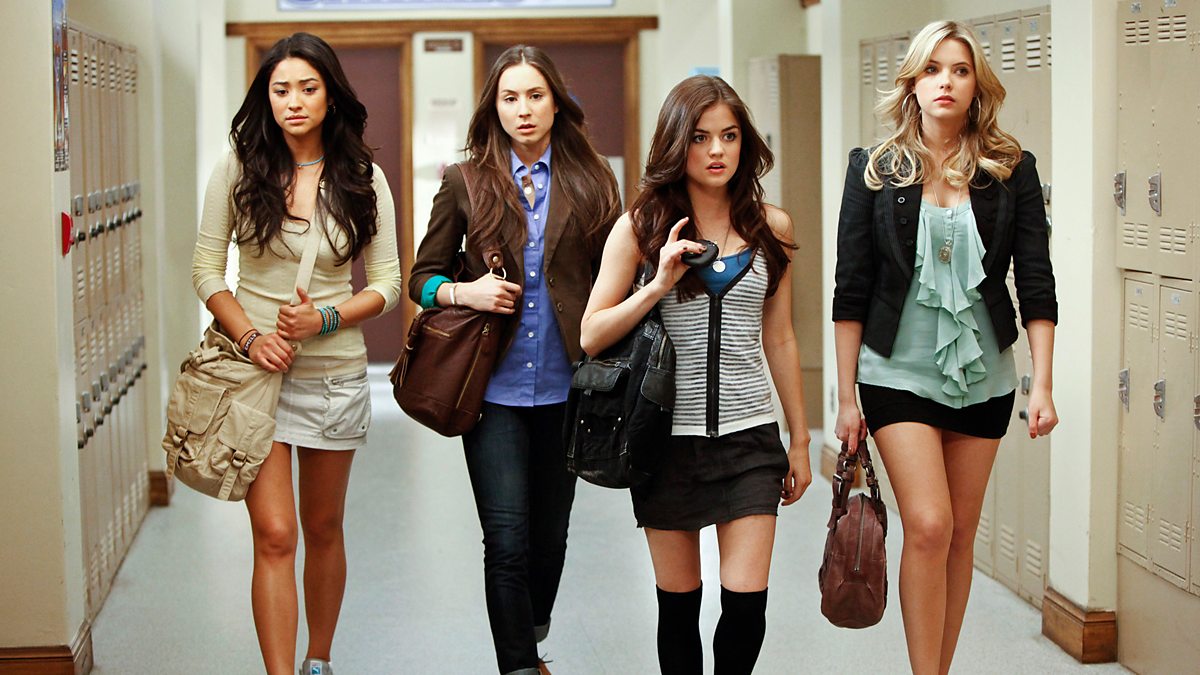
Photo Credit: ABC family/Freeform
the decade defined by dramas
Looking back, the teen dramas of the 2010s were more than guilty pleasures or fleeting trends. They reflected a generation growing up in a world defined by visibility, digital anxiety, and heightened emotions. They translated those feelings into stories that were dramatic, indulgent, and impossible to ignore. Rooted in book adaptations and expanded through serialized television, these shows leaned fully into excess, trusting audiences to follow them wherever the drama led.
Their impact still lingers today. The way we engage with teen television, fandom, fashion, and online communities can be traced back to this era of obsession-driven storytelling. These shows didn’t aim for realism, they aimed for immersion. And by creating worlds that audiences could live inside, not just watch, 2010s teen dramas secured their place as some of the most culturally influential television of their time.
Photo Credit: The CW
Eager To Learn More?
Dive deeper into how pop culture shapes what we watch, wear, and talk about with these related read-alongs from Hollywood Branded:
- When Teens Ruled The Ruins: The Dystopian YA Film Boom Of The 2010s
- How Pop Culture Shapes What We Buy, Watch, and Say
- The Power of Pop Culture: How Entertainment Shapes Consumer Behavior
- The Power Of Film And TV Reboots
- Why Pop Culture Is Where Brand Relevance Is Earned
Want to stay in the know with all things pop culture? Look no further than our Hot in Hollywood newsletter! Each week, we compile a list of the most talked-about moments in the entertainment industry, all for you to enjoy!