Quick Answer
Why are there so many reboots? Hollywood Branded breaks down the 2026 reboot boom, from Scrubs to Moana, and what the trend means for brand marketers.
Why Does It Feel Like Everything Is Getting Rebooted Right Now?
There are so many reboots because familiar stories lower the risk of a very expensive business, arriving with a built-in audience, instant name recognition and cheaper marketing. In 2026 alone, Scrubs, Malcolm in the Middle, The 'Burbs and Moana all returned to screens, and more are on the way.
For studios and streamers, a reboot is a shortcut to attention in a market where viewers have more options than ever. But reboots are not a guaranteed win, and the gap between a hit revival and a box office disappointment holds real lessons for marketers. In this article, Hollywood Branded discusses why reboots keep coming, what separates the hits from the misses, and what the reboot boom means for brands.
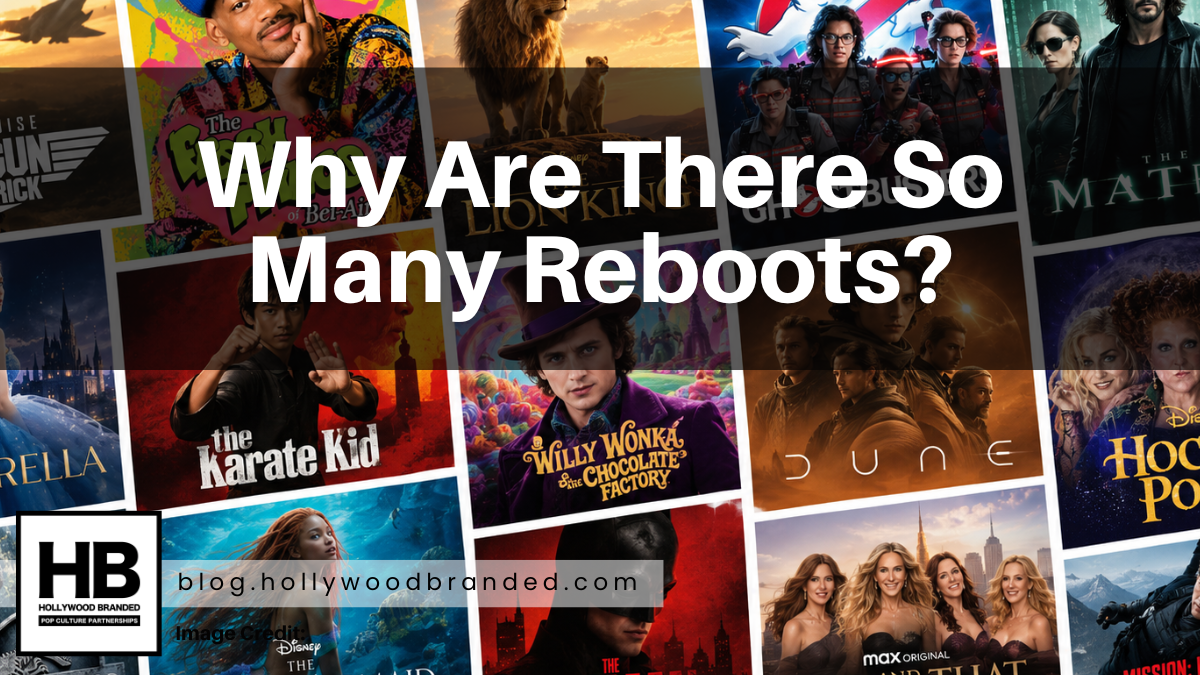
What Is the Difference Between a Reboot, a Revival and a Remake?
A reboot, a revival and a remake are three different ways to bring a story back, and the difference shapes how audiences respond. A reboot restarts a franchise with a fresh take, often with a new cast, a new tone or a new format. A revival picks the original story back up years later, usually with the original cast returning to their roles. A remake retells a story that already exists, sometimes scene for scene and sometimes with a new spin. Hollywood and the press tend to use all three words interchangeably, which is a big reason it feels like everything on screen right now is "a reboot."
How 2026 titles fit each category:
- Reboot: The 'Burbs, the 1989 cult film reimagined as a Peacock series that premiered on February 8, 2026.
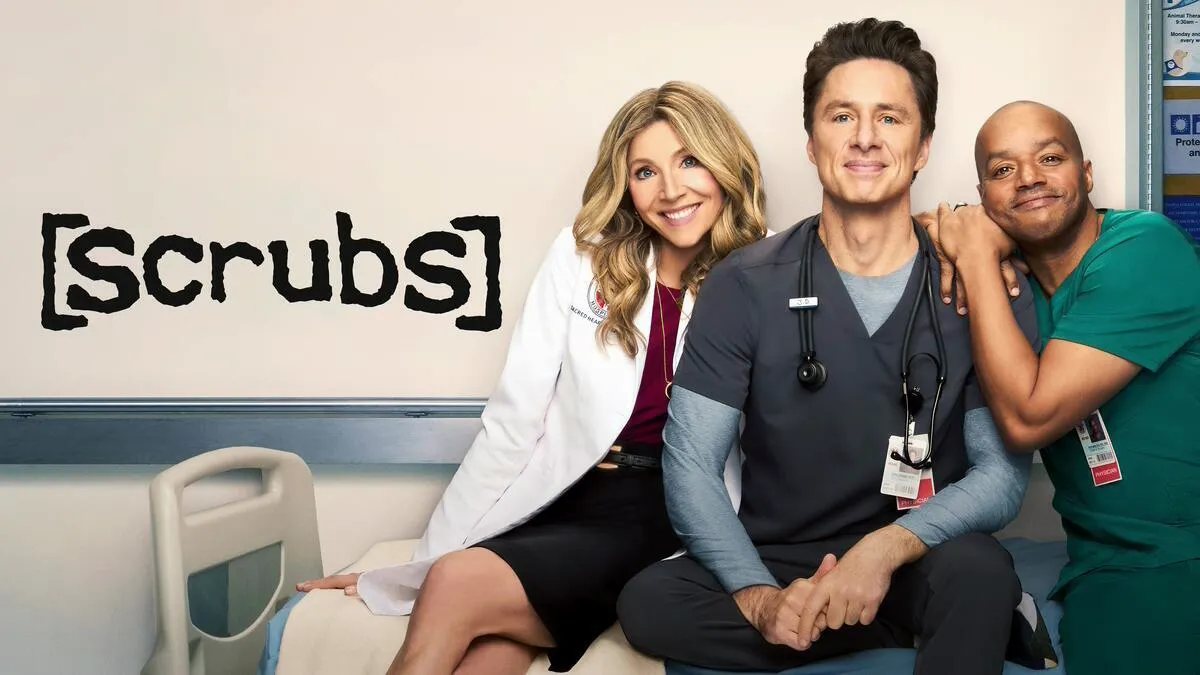
- Revival: Scrubs on ABC and Malcolm in the Middle: Life's Still Unfair on Hulu and Disney+, both bringing back original casts.
- Remake: Disney's live-action Moana, a retelling of the 2016 animated film released July 10, 2026.
The category matters because each one asks audiences for a different kind of trust. A revival like Scrubs leans on continuity, jumping 16 years past the original finale and catching up with the characters fans already know. A remake like Moana has to justify retelling a story many viewers still remember well, which is a harder sell when the original is fresh. A reboot sits in the middle, borrowing a familiar name while promising something new. For anyone watching the trend from the outside, these distinctions explain why some returns feel like a reunion and others feel like a rerun.
Why Do Studios and Streamers Keep Betting on Familiar Stories?
Studios and streamers keep betting on reboots because familiar intellectual property, or IP, reduces risk in a business where a single project can cost hundreds of millions of dollars. An original film or series has to build awareness from zero, which means a bigger marketing spend and a bigger chance that audiences simply never show up. A known title skips that step, because audiences already know the characters, the tone and whether they liked it the first time. The box office record backs up the strategy: nearly every one of 2024's ten highest-grossing films was a sequel, reboot or adaptation, with Wicked, itself based on a stage musical, as the lone exception. When the numbers look like that, it is easy to see why greenlight meetings keep favoring titles audiences already recognize.
Familiar IP lowers the risk, but it does not remove it, and 2026 has already shown both sides. Disney's live-action Moana reportedly cost $250 million and opened to $43 million in North America, well below the $60 million to $65 million it was tracking toward. That opening was also lower than the $56.6 million the original animated film earned in 2016, and it arrived less than two years after Moana 2 crossed $1 billion worldwide. Analysts pointed to timing and a crowded family slate, which is a reminder that audiences still judge whether a return feels necessary. For studios, the lesson is not to stop making reboots, but to be more selective about which stories come back, when and in what form.
 Photo Credit: Disney Enterprises, Inc.
How Does Nostalgia Turn Into Viewers and Subscribers?
Nostalgia turns into viewers because a reboot can reach two audiences at once: the fans who loved the original and a younger audience meeting the story for the first time. Malcolm in the Middle: Life's Still Unfair shows how powerful that pull can be on streaming. The four-episode revival drew 8.1 million global views in its first three days, making it the most-viewed season premiere on Disney+ and Hulu in 2026 at the time. Just as important, viewing of the original series jumped by 18 million hours, a 107% increase over the week before. That is the hidden value of a revival for a streamer: the new episodes drive people back into a library the platform already owns.
Broadcast television is seeing the same effect. ABC's Scrubs revival ranked as the top comedy telecast among adults 18 to 49 over its first three days on linear, and the network renewed it for a second season set to premiere in fall 2026. Even the live-action Moana, which disappointed at the box office, connected with families, as 56% of its opening audience were parents with children and moviegoers under 18 gave it an A+ CinemaScore. The pattern is clear: nostalgia brings parents in, and parents bring their kids. For platforms fighting to win and keep subscribers, a story that works for the whole household is worth a great deal.
What Does the Reboot Boom Mean for Brands?
The reboot boom gives brands a rare advantage: a chance to attach to a story audiences already care about before a single episode airs. Most new shows spend their first season fighting for awareness, while a reboot or revival arrives with a fan base, press coverage and social conversation already in motion.
Revivals also tend to jump years ahead in time, which creates natural moments to show how a product, a technology or a habit has changed since the original aired. That opens the door for product placement, where a brand appears on screen as part of the world, and brand integration, where the product plays an active role in the story. Because these shows often reach parents and kids together, a single placement can speak to more than one generation of buyers at the same time.
The opportunity reaches beyond the screen, too. Reboots come with built-in launch moments, such as premiere dates, cast reunions and trailer drops, that create openings for co-promotional partnerships and nostalgia-driven campaigns. Legacy brands have a particular edge here, because a product that was part of daily life when the original aired can return with the story and remind viewers why they loved it.
The key is fit and mutual benefit, meaning the partnership has to serve the story and the production as much as it serves the brand. Hollywood Branded helps brands identify which upcoming reboots and revivals match their audience, then builds placement, integration and promotional programs around those moments. As with any entertainment partnership, results depend on the production, the creative fit and the activation behind it, so the strategy matters as much as the screen time.
Questions brands should ask before partnering with a reboot:
- Does the show's audience, both original fans and new viewers, match our customer?
- Did our brand, or our category, have a role in the original story's era?
- Is the return a revival, a reboot or a remake, and how does that change our message?
- What launch moments can we build promotion around beyond the on-screen appearance?

Is the Reboot Era Here to Stay?
The reboot era is here to stay, because the business logic behind it has not changed. Familiar stories reduce risk, cut through a crowded market and reach multiple generations at once, and 2026's biggest successes, from Scrubs to Malcolm in the Middle, prove audiences will show up for the right return. At the same time, the live-action Moana shows that a famous title alone cannot carry a project when the timing or the reason for coming back feels off. The takeaway for marketers is simple: reboots are not a shortcut, but they are a strong signal of where audience attention is headed. Brands that study which returns are landing, and why, can position themselves inside the stories people are already excited to watch.
For marketers, the clearest takeaways are these. Watch the slate of upcoming reboots and revivals as closely as you watch new releases, because those titles arrive with built-in awareness. Look for stories where your brand or category has a natural, authentic connection to the original era or the new one. And plan beyond the on-screen moment, since premieres, reunions and nostalgia campaigns often create as much value as the placement itself.
Eager To Learn More?
If the reboot boom has you thinking about how your brand can tap into nostalgia and familiar stories, these Hollywood Branded articles go deeper:
- How Nostalgic Films Help Brands Connect With Consumers
- How Nostalgia Became One of Marketing's Most Powerful Tools
- Revisiting the Past: How Nostalgia Marketing in Pop Culture Drives Modern Business Success
- Behind the Scenes: How Brands Get Their Products in Blockbuster Movies
- How To Do Product Placement In Hollywood TV and Film
Want to stay in the know with all things pop culture? Look no further than our Hot in Hollywood newsletter! Each week, we compile a list of the most talked-about moments in the entertainment industry, all for you to enjoy!