Quick Answer
Creative strategy drives iconic campaigns. Learn why creative direction matters as much as marketing metrics and how top brands get the balance right.
Why Is Creative Strategy Still Marketing's Best-Kept Secret?
In a world where marketers can track everything from click-through rates to scroll depth, it is tempting to let the data do all the talking. Dashboards are cleaner than ever, attribution models are more sophisticated, and the pressure to prove ROI has never been higher. But somewhere in the race to quantify everything, a critical piece of the marketing puzzle gets left behind: the creative.
The truth is, numbers can tell you what happened, but creative strategy is what makes something happen in the first place. A campaign that moves people, shifts perception, or earns a permanent place in pop culture does not get there by optimizing a spreadsheet. It gets there because someone had a bold creative vision and the conviction to see it through. In this article, Hollywood Branded discusses why creative strategy and creative direction are just as important as traditional marketing metrics, and why the brands that understand this are the ones winning the long game.
Photo Credit: Canva
Which Iconic Campaigns Prove Creative Strategy Beats a Perfect Data Plan?
Some of the most iconic campaigns in advertising history did not succeed because of flawless targeting or a perfectly segmented audience. They succeeded because the creative idea was so sharp, so unexpected, and so perfectly aligned with the brand that the message cut through the noise on its own. These are the campaigns that get taught in classrooms, referenced in boardrooms, and remembered decades later. And when you look closely at what made them work, the throughline is always the same: a fearless creative strategy executed with precision.
Take McDonald's free WiFi campaign, a masterpiece of visual simplicity. The ad featured nothing more than a red background and golden french fries arranged to form the unmistakable shape of a WiFi symbol. No tagline. No lengthy explanation. No product shot of a burger or a cup of coffee. Just one instantly recognizable icon made out of another instantly recognizable icon, and the message landed immediately. That kind of creative restraint is extraordinarily difficult to pull off, and it only works when the creative direction is completely locked in. The idea trusted the audience, respected their intelligence, and delivered the message in the time it takes to glance at a page. That is not a data decision. That is a creative one.

Photo Credit: DDB Worldwide, Matt Eastwood, Adam Rose, Matt Knapp and John Downing
What Do Pepsi, STIHL, and VW Teach Us About Fearless Creative Ideas?
Pepsi's "We Wish You a Scary Halloween" ad is a masterclass in using a competitor's brand equity as creative ammunition. Rather than running a standard Halloween promotion, Pepsi leaned into the cultural moment with a cheeky, confident ad that featured a Pepsi can dressed in a Coca-Cola red cape with the tagline "We wish you a scary Halloween." It was bold, it was funny, and it required zero explanation. The campaign went viral long before "going viral" was even a metric, because the creative idea was irresistible. Pepsi understood that the best creative strategy sometimes means playing offense, and doing it with a smile.
Then there is STIHL's "Had Enough Bad News? STIHL Can Change That" magazine ad, which turned the medium itself into the message in one of the most visually arresting ways print advertising has ever seen. The ad ran in a standard news publication, positioned directly alongside dense columns of editorial copy covering the kinds of stories that leave readers feeling heavy and helpless. The visual showed a STIHL leaf blower clearing the bad news right off the page, physically scattering the editorial content surrounding it. The tagline was direct and confident: had enough bad news, STIHL can change that. The copy positioned STIHL's tools as a gateway to getting outside, doing something tangible, and taking control, a powerful emotional contrast to the passive act of sitting and reading about the world's problems. It was provocative, culturally aware, and dripping with creative confidence. And Volkswagen's legendary Beetle print ads from the 1960s rewrote the rules of advertising entirely, using self-deprecating humor and minimalist design to sell a small, odd-looking car to an American market that had never seen anything like it. "Think Small" is still studied today not because of the media buy behind it, but because the creative idea was genuinely revolutionary.
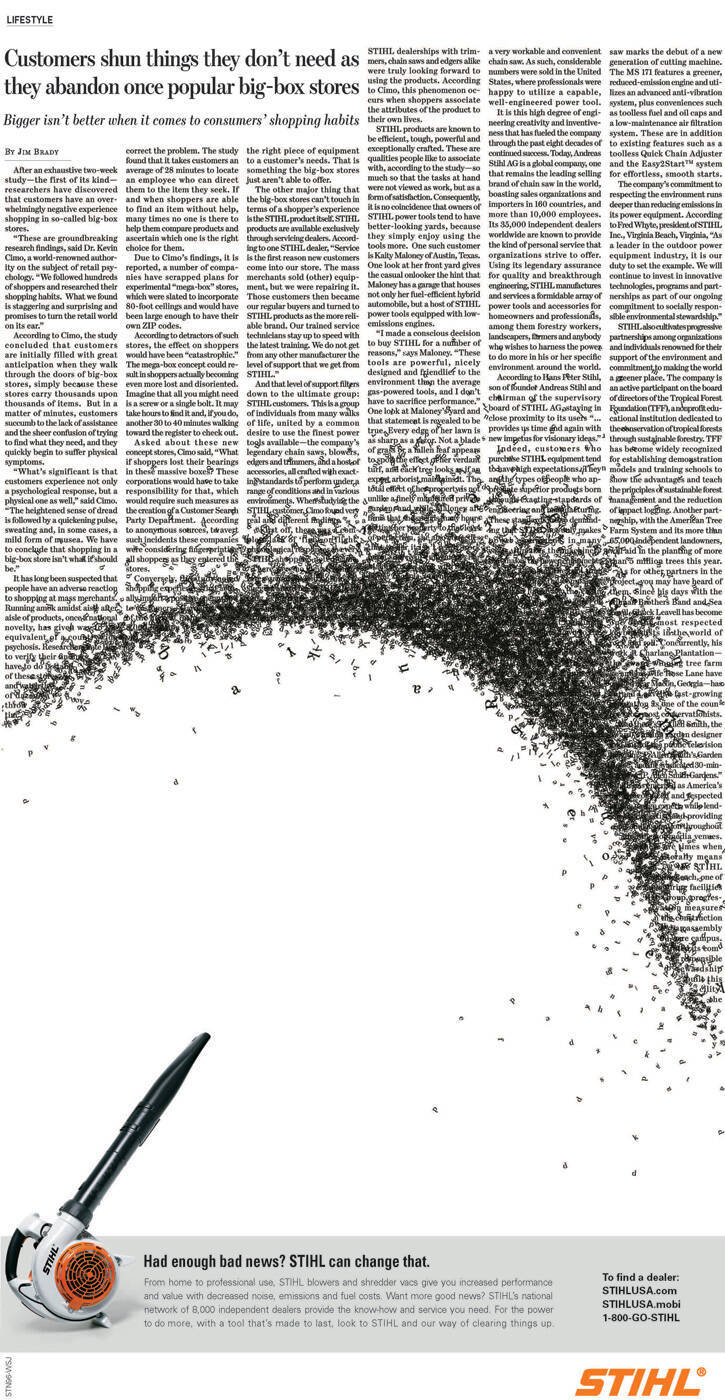
Photo Credit: Winsper, Steve Bautista, Brian Fandetti, Mitch Lunsford, Steve Bautista, Chris Lee, Ed James, Stuart Callow
What Happens When the Data Looks Great But the Campaign Falls Flat?
Not every campaign that underperforms makes headlines for the right reasons. One of the most instructive examples in recent memory is the 2017 Pepsi ad featuring Kendall Jenner, a campaign that by every pre-launch metric should have been a success. The production budget was significant, the talent was A-list, the distribution was massive, and the brand awareness numbers going in were strong. On paper, this campaign had everything a data-driven marketer could want. What it lacked was a creative strategy rooted in cultural truth.
The ad attempted to tap into the energy of social justice movements by showing Jenner leaving a modeling shoot to join a protest, ultimately handing a police officer a can of Pepsi as a gesture of unity. The backlash was immediate and severe. The creative direction missed the mark not because the numbers were wrong, but because no amount of data can substitute for genuine cultural insight and creative integrity. The lesson here is not that data is bad, it is that data without strong creative leadership is just noise. Metrics can tell you that your audience cares about social issues, but only a skilled creative director can tell you how to engage with those issues in a way that feels authentic rather than opportunistic. Campaigns that lean too heavily on performance data and not enough on creative instinct often end up technically optimized but emotionally hollow, and audiences notice every single time.

Why Does Creative Direction Matter So Much in Entertainment Marketing?
Entertainment marketing is one of the most creatively demanding arenas in the industry, and it is also one of the places where the gap between data-driven thinking and creative-led thinking is most visible. When a brand integrates into a film, a television series, or a piece of branded content, the creative execution has to do a tremendous amount of heavy lifting. The placement has to feel organic, the messaging has to align with the tone of the property, and the brand has to enhance the story rather than interrupt it. None of that happens by running a targeting report.
At Hollywood Branded, creative strategy sits at the center of every entertainment marketing campaign we support. Whether it is a product placement opportunity, a talent partnership, or a full branded content integration, the creative direction determines whether the campaign connects with audiences or gets tuned out entirely. A car that appears in a high-octane action sequence tells a very different brand story than the same car parked in the background of a romantic comedy, and understanding that distinction is a creative call, not an algorithmic one. The brands that succeed in entertainment marketing are the ones that come in with a clear creative vision, a strong sense of their own identity, and the flexibility to collaborate with storytellers who know how to bring that identity to life on screen. The data can validate the opportunity, but the creative strategy is what makes the partnership worth watching.
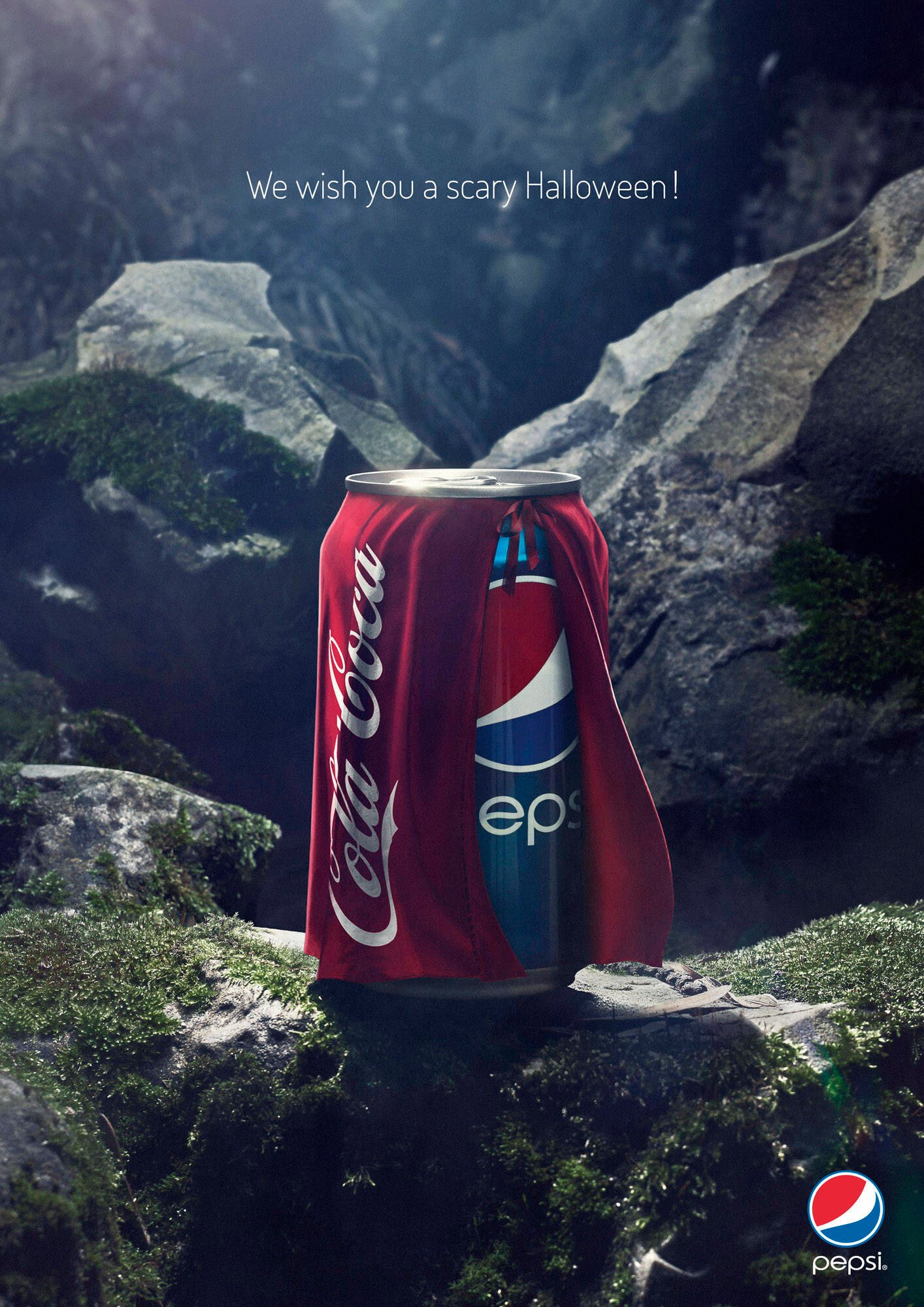
Photo Credit: Buzz in a Box, Gregory Defay, Quentin Gascard, Jekyll n' Hyde, Tu Anh Ha
How Can Marketers Balance Creative Vision With Marketing Metrics?
The goal is never to choose between creativity and data. The most effective marketing campaigns in the world use both, but they use them in the right order. Data should inform the creative brief, not write it. Metrics should measure the impact of a great idea, not replace the process of developing one. When brands get this sequence backwards, they end up with campaigns that are technically sound but creatively bankrupt, and no amount of A/B testing can fix a concept that was never compelling to begin with.
The practical way to strike this balance is to bring your creative director and your data team into the room at the same time, but give each one a clearly defined role. Let the data team identify the audience, the moment, and the opportunity. Then let the creative team figure out the most powerful, resonant, and culturally relevant way to speak to that audience in that moment. Once the campaign is live, let the data tell you what is working and use those insights to sharpen the creative for the next iteration. This is not a radical approach, it is simply good marketing. The brands and agencies that consistently produce breakthrough campaigns are the ones that treat creative strategy as a discipline, not an afterthought. They invest in creative direction the same way they invest in media buying, because they understand that a perfectly placed ad with a mediocre idea is still a missed opportunity.
Should Creativity or Data Lead Your Next Campaign?
Creative strategy is not the soft, fuzzy part of marketing. It is the engine. It is the reason people stop scrolling, the reason campaigns get shared, and the reason certain brands live rent-free in our collective memory for decades while others disappear the moment the media spend runs out. The examples we explored in this post, from McDonald's elegant visual simplicity to Volkswagen's industry-disrupting self-awareness, all point to the same truth: the creative idea is the campaign. Everything else is infrastructure.
For marketers, the takeaway is clear. Invest in your creative strategy with the same rigor and intentionality you bring to your analytics. Hire strong creative directors, protect bold ideas from being committee-d into mediocrity, and resist the urge to let performance data be the first filter every concept goes through. The numbers will always have a seat at the table, but creativity deserves to sit at the head of it. When you lead with a strong creative vision and support it with smart data, you do not just run campaigns. You build brands.
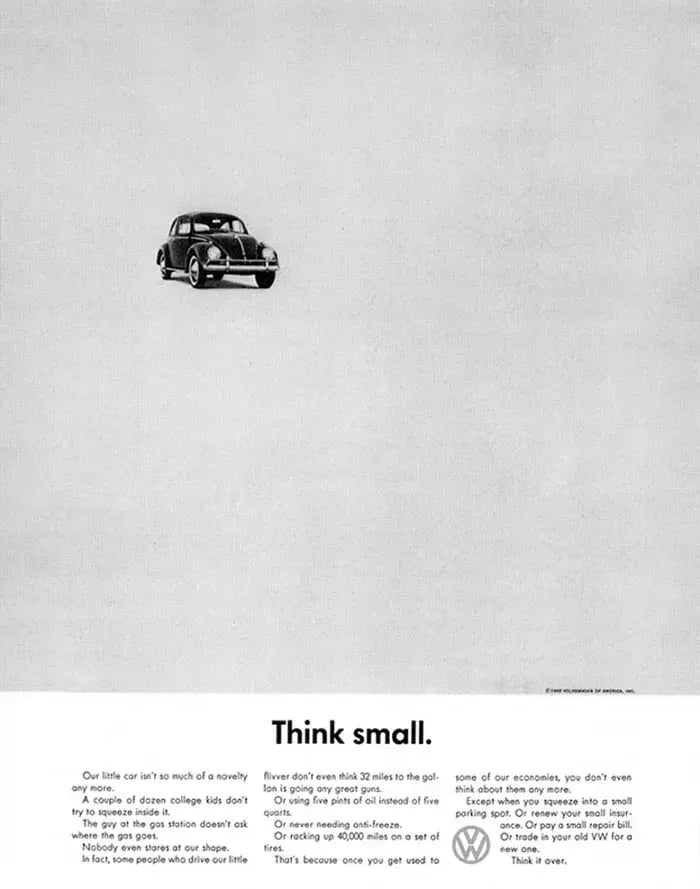
Photo Credit: Medium, DDB, Julian Koenig, Helmut Krone, Bill Bernbach
Frequently Asked Questions
Q. Is data or creative strategy more important in marketing?
A. Neither works well without the other, but creative strategy has to lead. Data can tell you who your audience is and what moment to reach them in, but only a strong creative idea makes them stop scrolling, remember your brand, or share the campaign. The most effective marketers use data to inform the creative brief, then let data measure the results after the creative goes live, not the other way around.
Q. Why did the 2017 Pepsi ad with Kendall Jenner fail despite strong data?
A. The campaign had every metric working in its favor going in, including a major budget, A-list talent, and wide distribution, but it lacked cultural insight and creative integrity. It attempted to tap into social justice movements in a way that felt opportunistic rather than authentic, proving that no amount of pre-launch data can substitute for a creative strategy grounded in genuine cultural understanding.
Q. How does creative direction impact entertainment marketing specifically?
A. In entertainment marketing, creative direction determines whether a brand integration feels organic or interrupts the story. The same product placed in a high-octane action scene versus the background of a romantic comedy tells a completely different brand story, and that distinction is a creative call, not something a targeting report can make. At Hollywood Branded, creative strategy sits at the center of every product placement, talent partnership, and branded content campaign for exactly this reason.
Eager To Learn More?
If this post got you thinking about how creativity and strategy come together in marketing, you are going to want to dig into these related reads from the Hollywood Branded blog.
- How To Create A Brand Strategy That Actually Works
- What Is Entertainment Marketing And Why Does It Matter
- How Product Placement Can Elevate Your Brand Campaign
- Why Influencer Marketing Needs A Strong Creative Brief
- How Hollywood Branded Can Help Your Brand Dominate 2025
Want to stay in the know with all things pop culture? Look no further than our Hot in Hollywood newsletter! Each week, we compile a list of the most talked-about moments in the entertainment industry, all for you to enjoy!