The Reality TV Trap
There is a reason people cannot stop watching Love Island, Big Brother, and the reality shows that dominate summer television every single year. It is not just the drama or the villa romances that keep audiences coming back night after night.
Something about these shows makes the audience feel like they are living inside the story in real time, not catching up on something that already happened weeks ago. In this article, Hollywood Branded discusses how reality TV editing speed, especially on shows like Love Island, creates an addictive sense of urgency that keeps audiences hooked and gives brand marketers a unique window to reach them.
the 24 turnaround
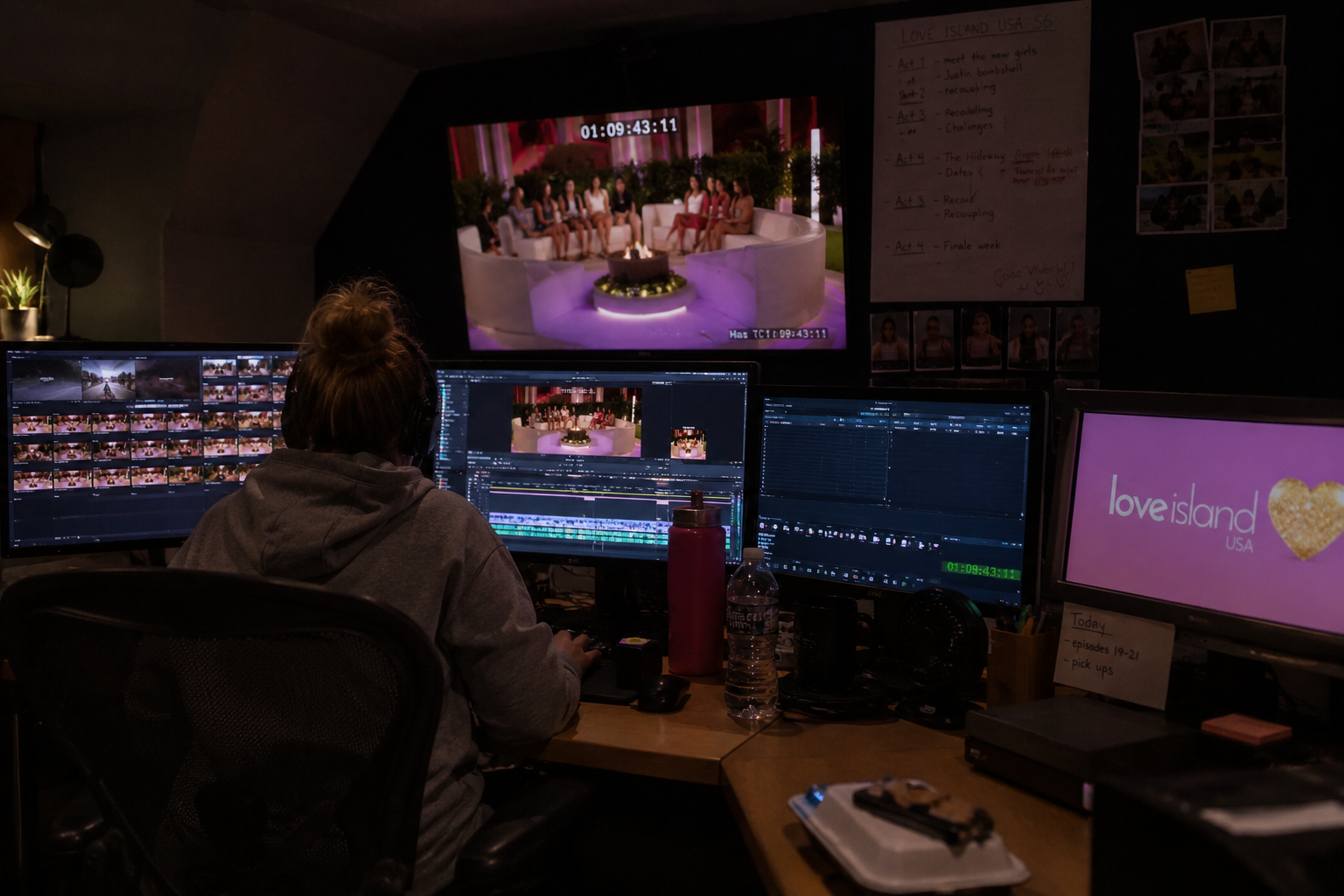
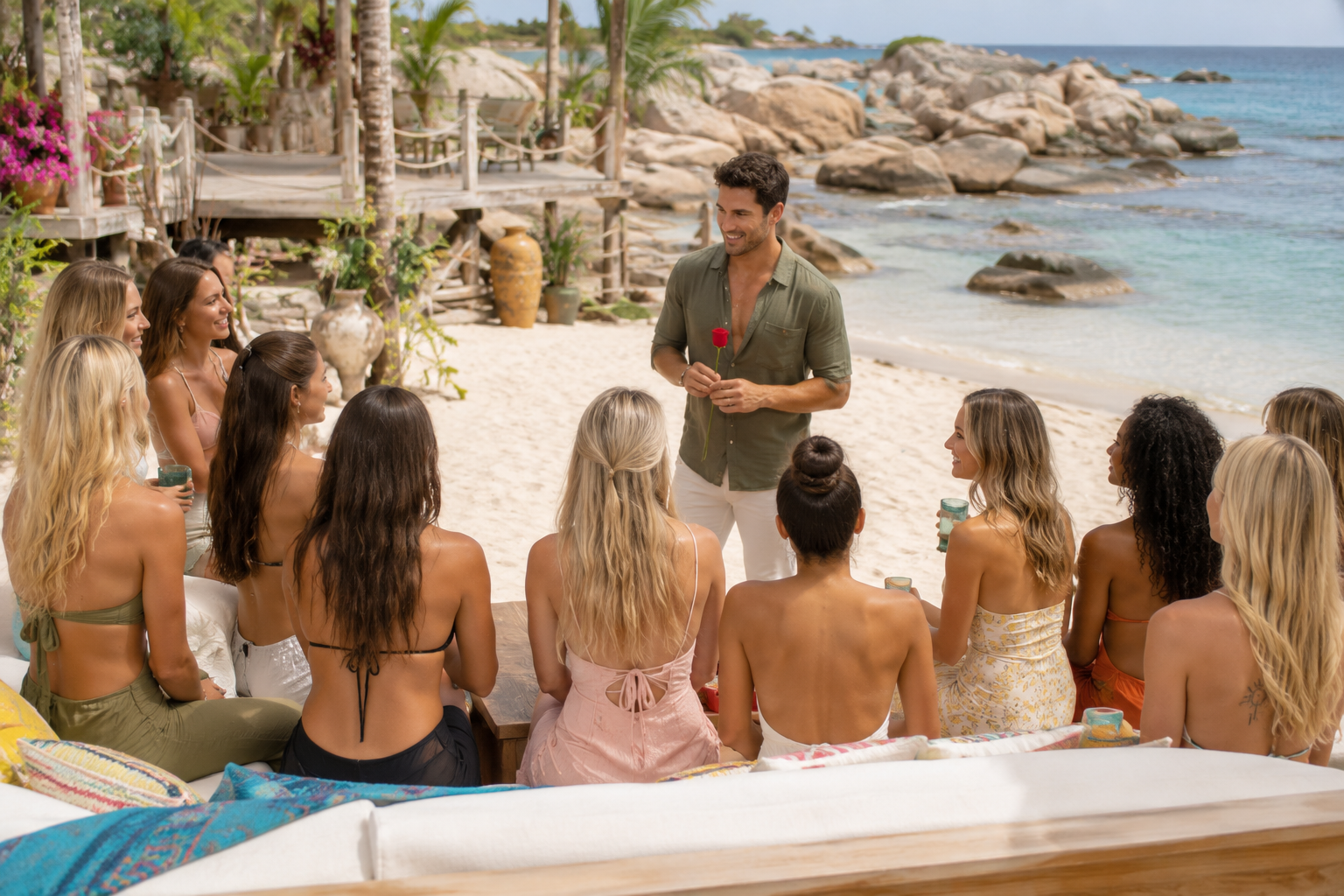
Past reality TV models have been filmed months in advance, then packaged up and released whenever the network decides. That strategy is the opposite for a specific handful of shows, and Love Island is the clearest example of the model. The villa cast is filmed constantly, with the show happening 24/7 during the airing window, and while it is not broadcast fully live, most episodes are edited within the span of a day before hitting air, creating an enormous production lift. Editors are watching hours of raw footage from dozens of cameras, building a coherent narrative, mixing sound, and delivering a finished episode on a turnaround that would make most scripted television producers panic.
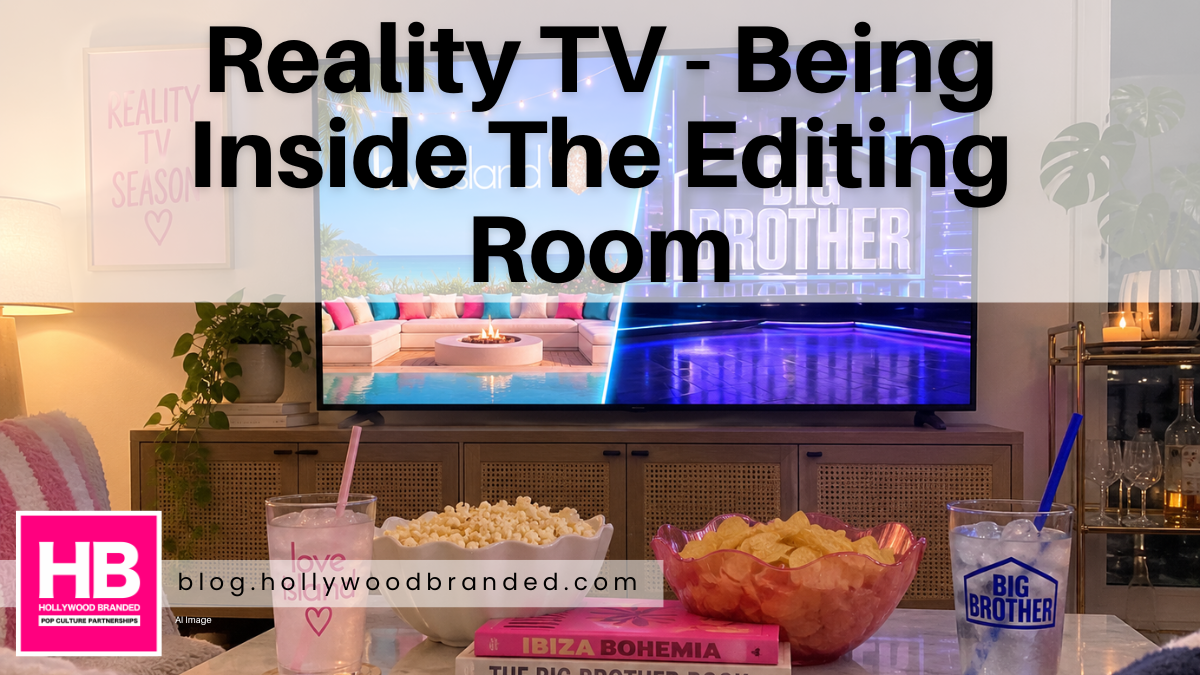
Big Brother runs a similar hybrid model, though it leans on a different mechanic to create the same effect. Most Big Brother episodes air on one or two day delay, but the show pairs that with a live eviction night and round the clock live feeds that let dedicated fans watch raw, unedited footage of the house between episodes. That combination means the casual viewer gets a polished, story driven episode, while the superfan gets a genuinely live layer running underneath it the entire time.
Together, these two shows represent the two dominant strategies reality producers use to close the gap between when something happens and when the audience sees it: edit fast, or stream live alongside the edit.
 AI Generated Image
why this speed makes shows feel like you're living it, not watching reruns
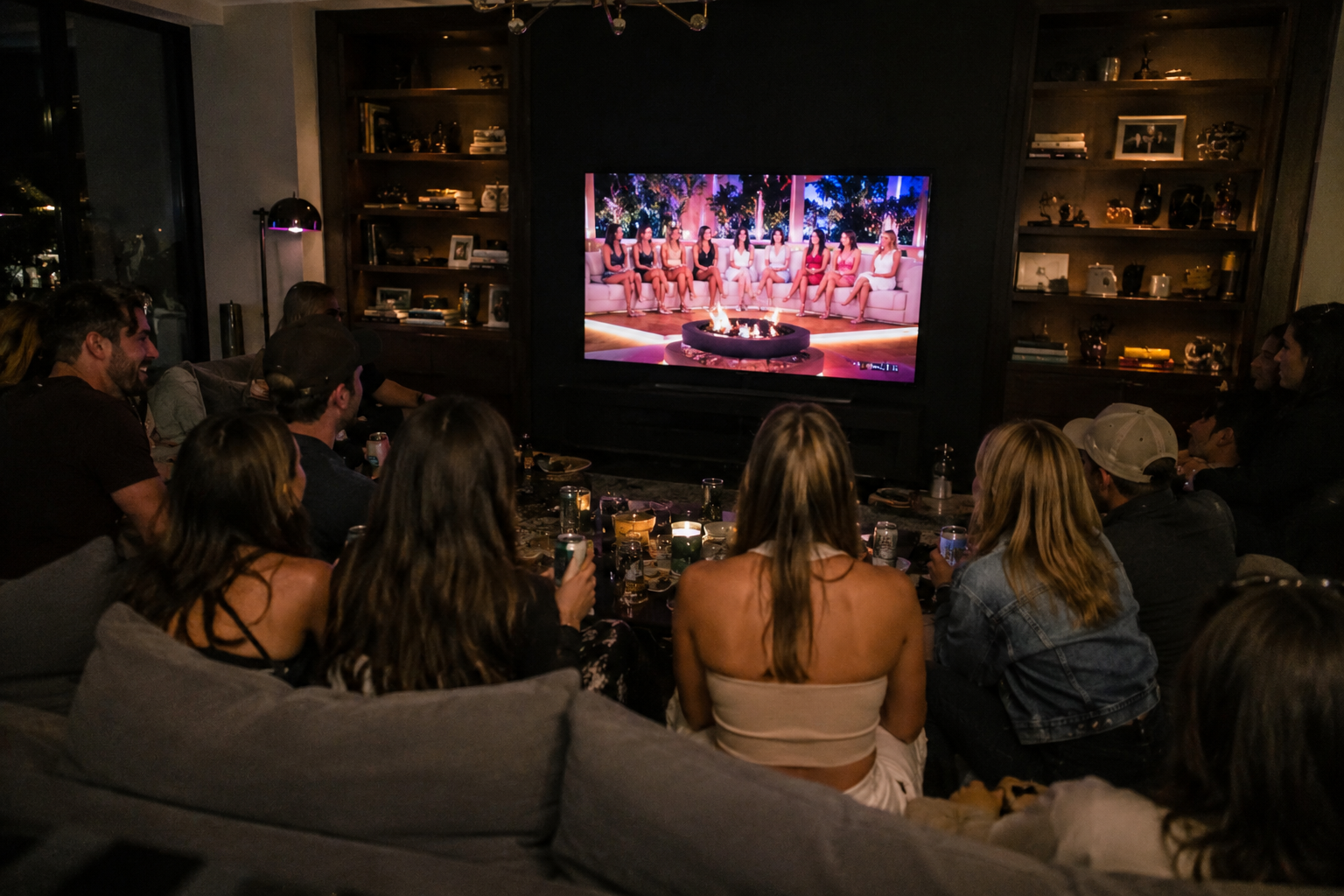
A same day or next day turnaround does something psychological that a show filmed months earlier simply cannot replicate - removing the disconnect between the audience and the cast. When people watch something that happened five months ago, they are watching the past, even if it is dressed up as an ongoing season. When people watch Love Island, they know the couples on their screen were making those exact choices roughly twenty four hours ago, which makes it feel like they are moving through the summer alongside the cast rather than observing a finished, closed off chapter of someone else's life.
That distinction is subtle but it changes the entire emotional experience of watching. Fans are not just spectators catching up on old news. They are, in a sense, co-experiencing the season as it unfolds, reacting on social media in the same window the show is airing, and forming opinions the cast has not even seen yet. That real time closeness is what turns casual viewing into appointment viewing, and appointment viewing into the kind of nightly habit that keeps people opening Peacock every single evening during the season.
It is also why platforms lean into second screen engagement, voting mechanics, and same day social clips, since all three reinforce the idea that the audience is inside the moment rather than outside of it looking back.
 AI Generated Image
Other shows that use this near live model
Love Island and Big Brother are not the only shows chasing this effect, and it is worth understanding which formats commit to it and which ones intentionally do not. Survivor keeps its live element concentrated at the finale and reunion, where the results genuinely have not been revealed to anyone, including the cast, until that broadcast. That single live moment creates a burst of the same real time energy Love Island sustains all season long.
Not every dating or competition show wants that urgency. Bachelor in Paradise, for example, films months before the season is edited and aired, which is the opposite approach from Love Island's near real time model. That is a deliberate choice, not a limitation. A show filmed months out gives producers more room to shape a season long arc and manage cast safety and legal issues before anything reaches air, but it trades away that feeling of a shared present moment with the audience. Understanding which of these two lanes a show sits in tells a marketer a lot about how fast they need to move if they want to be part of the conversation while it is actually happening.

how this affects brands and sponsors
For brand marketers, this speed is not just a production curiosity, it is a genuine opportunity. When a show is turning episodes around in a day, a brand's presence on screen can be talked about, screenshotted, and shared on social media almost immediately after it airs, while the cultural conversation is still hot. That is a different opportunity than a scripted show's product placement, which usually gets locked in months before anyone sees it.
Reality TV's speed lets savvy brands react to what is actually resonating with the audience in near real time, whether that means amplifying a moment that already went viral or quickly activating an influencer partnership tied to a specific couple, contestant, or challenge from that week's episodes.
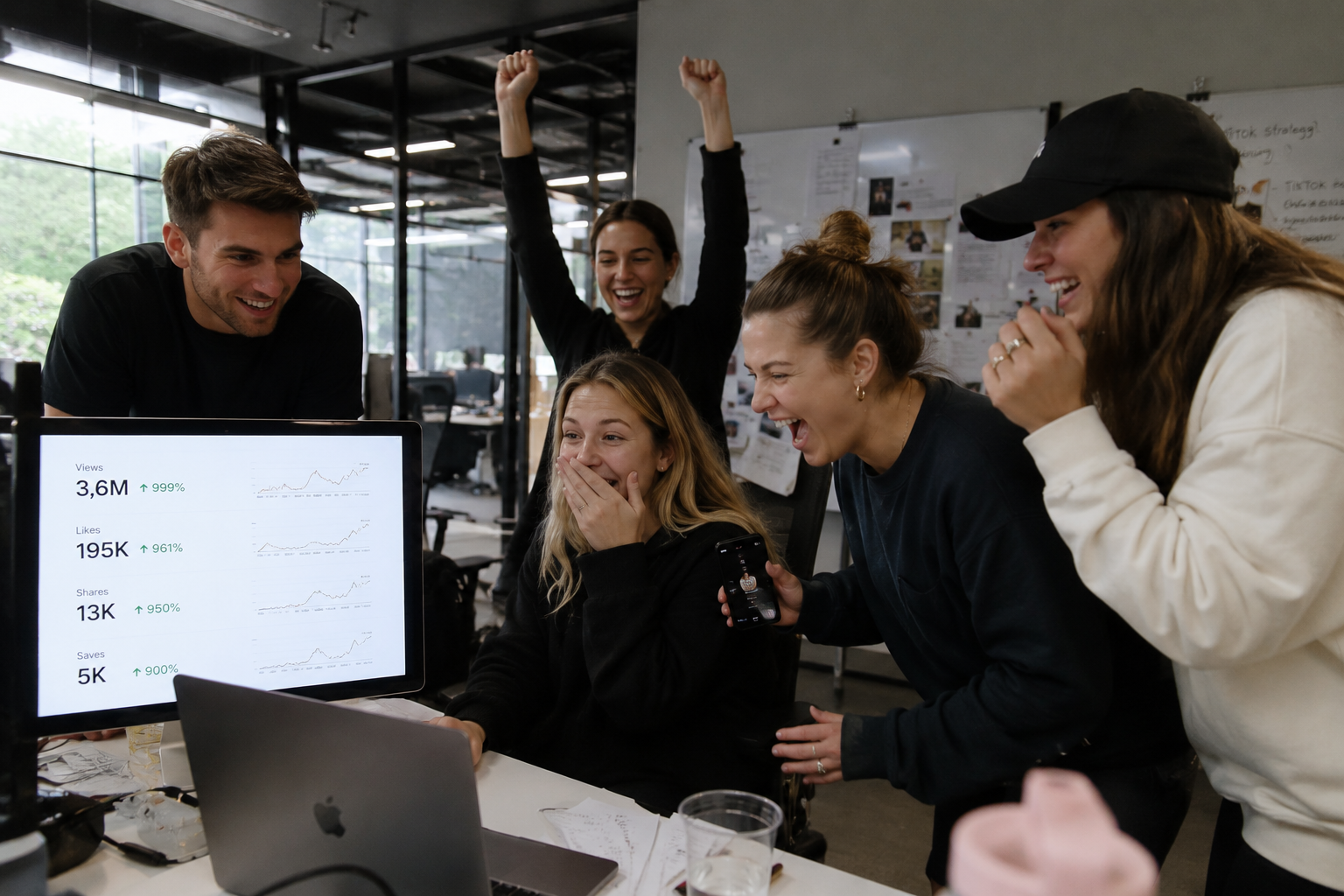
This is also where creator and influencer partnerships become especially powerful. Fans of these shows are already treating the season like a live event, checking in nightly, discussing it in group chats, and reacting on social platforms within minutes of an episode dropping. Brands that build flexible, fast moving marketing plans around that rhythm, rather than a rigid quarterly calendar, are the ones capturing attention while it is still fresh.
 AI Generated Image
editing ethics and brand safety
Speed comes with tradeoffs, and brand marketers should go in with eyes open. Editing this quickly means less room for quality control, and audiences have noticed. Fans have documented several continuity errors across recent Love Island episodes, from mismatched wardrobe between shots to reactions that appear to have been edited out of sequence. Viewers are savvy enough to catch these slips, and it fuels an ongoing conversation about how much of what airs is genuine footage versus a narrative the editors have shaped after the fact.
That matters for brand safety. A cast member's storyline can shift dramatically depending on how footage is cut, and a partner brand attached to that person needs to understand it may be signing on to whatever story the edit decides to tell, not necessarily the full context of what happened in the villa or the house. Before committing to a reality TV partnership, brands should look closely at how a show has handled cast portrayal controversies in the past and build in contingency plans for when a season's narrative takes an unexpected turn.
 AI Generated Image
the marketing lesson behind the binge
The real takeaway here goes beyond Love Island or Big Brother specifically. Audiences are not just choosing shows based on story quality anymore, but based on how close a show can make them feel to something happening right now, and reality TV's fastest editing teams have figured out how to manufacture that closeness night after night.
For marketers, the lesson is about pace and relevance. The brands winning attention in this space are not the ones with the biggest budgets, they are the ones structured to move at the speed of pop culture, ready to show up in a conversation while it is still happening rather than months after the moment has passed. That is the real advantage reality TV's editing model has handed to brand marketers willing to build for speed.
Eager To Learn More?
Curious how brands are already putting these strategies to work inside the reality TV space? Check out these related reads from the Hollywood Branded blog:
- Love Island USA's Brand Partnerships of the Summer
- Why Was 2000s Reality TV So Unhinged?
- How Entertainment Shapes Consumer Behavior
- Why Brands Trust Tom Hanks to Tell Their Story
- Love Island USA: A Hotbed For Brand Integration
Want first look at what's hot in Hollywood? Get our free Hot In Hollywood email for the productions we represent, upcoming event seasons, film releases, turnkey agency programs and last-minute amplification opportunities, or enroll free in [HB]Box. Pick your way in below.


Makayla Hill-Cook is a Coordinator, Brand Partnerships at Hollywood Branded who writes articles for other professionals about brand partnerships, licensing, and entertainment marketing.