UNDERSTANDING THE AI INFLUENCER BOOM
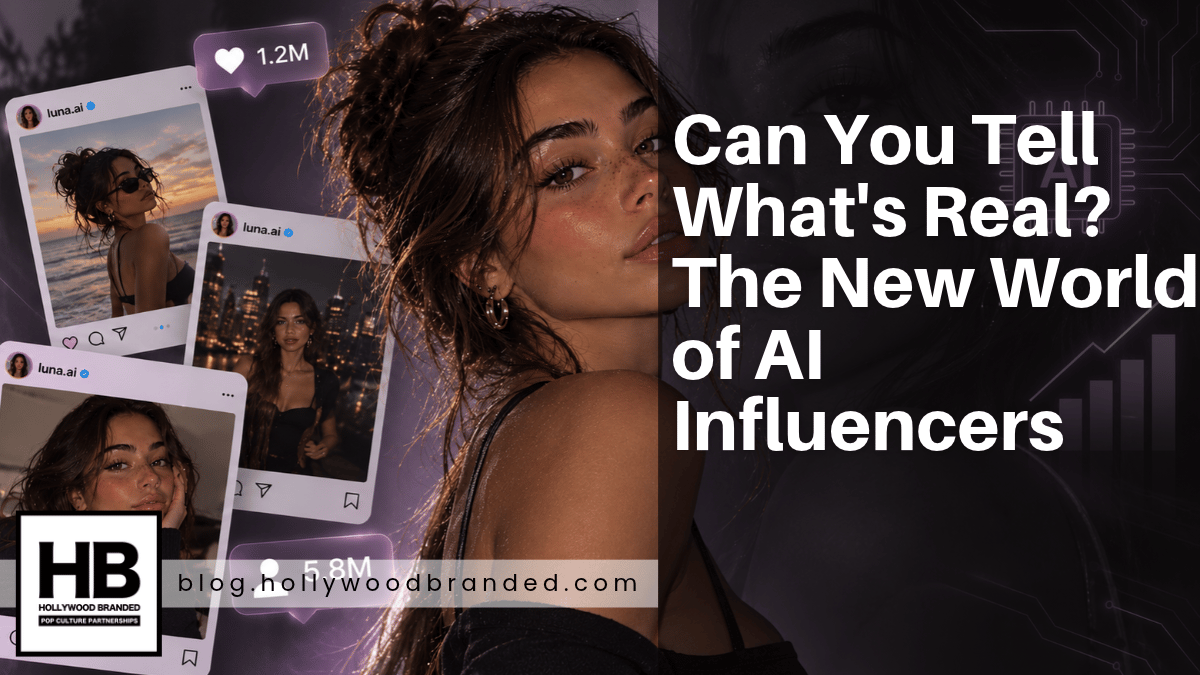
Artificial intelligence is no longer hiding behind the curtain. It’s center stage, smiling for the camera, replying to DMs, and collaborating with brands at a pace human creators could only dream about. AI-generated influencers have surged across social media platforms in 2026, and they’re not slowing down. Brands are flocking to them because they offer scalability, reliability, and zero risk of showing up late to a shoot because Mercury is in retrograde.
But with this boom comes a wave of questions: How do AI influencers work? Why are brands shifting budgets toward digital personas? And what should marketers know before jumping into a partnership with a creator who technically never sleeps? In this article, Hollywood Branded shares what marketers need to know about AI-generated influencers.
WHY AI INFLUENCERS ARE DOMINATING THE CREATOR ECONOMY
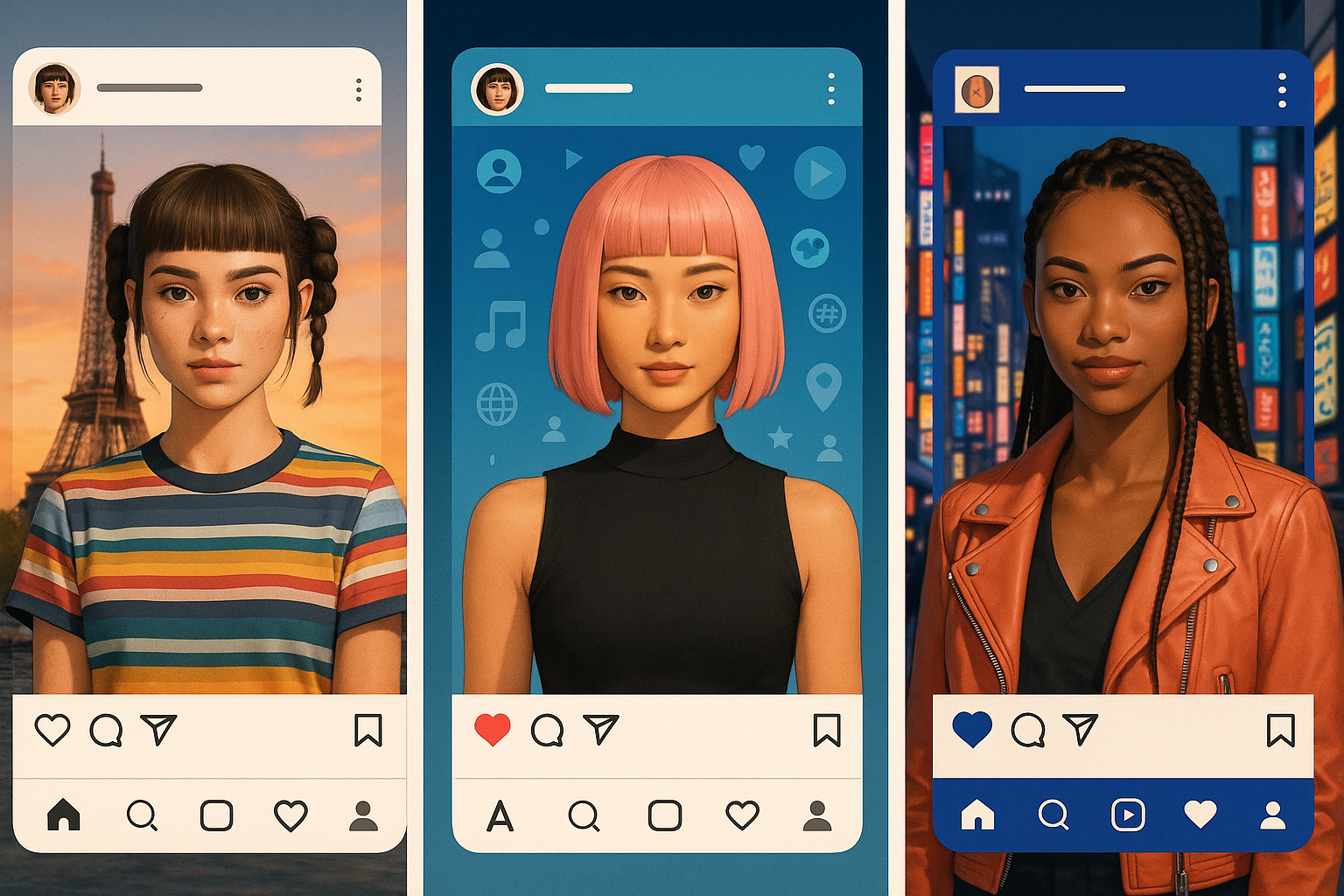
AI influencers, like Lil Miquela, Imma, or the dozens of 2026 breakout stars popping up on TikTok, Instagram, and the metaverse are algorithmically crafted personalities designed to behave, speak, and engage like human creators. They’re flawlessly styled, unmistakably on-brand, and shockingly good at maintaining a consistent personality. And because their creators control every pixel and post, AI influencers offer something human influencers never fully can: absolute predictability.
Brands love that. AI creators don’t age out, flame out, speak out of turn, or accidentally get spotted wearing a competitor’s merch. Their storylines evolve strategically, intentionally, and with full legal oversight. And when you need them to shoot in Paris at sunrise and Tokyo at sunset, all before lunch, they’re already there.
From beauty to auto to gaming, brands across industries are leaning into AI partnerships to lower production costs, accelerate content, and reach digitally native consumers who are just as intrigued by AI personalities as they are by celebrity ones. For Gen Z and Gen Alpha, the uncanny valley is practically a scenic overlook.
How Brands Are Using AI for Scalable Creative Campaigns
Brands aren’t simply hiring AI influencers for a few social posts. They’re building entire ecosystems around them. Take fashion brands, for example: AI-generated models can walk virtual runways, model thousands of SKUs instantly, and appear in digital campaigns without scheduling conflicts or studio fees. Instead of one major shoot per quarter, brands can produce hundreds of high-quality image sets in a single afternoon.
AI influencers are also becoming the stars of cross-channel campaigns. In 2025, several beauty brands launched AI ambassadors who could mimic skin types, hair textures, and makeup looks in real time, helping shoppers visualize product results. Tech brands leaned into AI personas to demo features, appear in tutorials, or host livestreams without any risk of burnout or human error. And e-commerce companies embraced AI creators as built-in product testers because nothing says “performance claim clarity” like a digital persona literally programmed for consistency.
We’re also seeing hybrid campaigns where an AI influencer interacts with a human creator, blurring the line between digital and real even further. It's the buddy-comedy evolution we didn’t know we needed: human meets algorithm, and together they produce 10 million views by morning. Beauty, and will it be as glamorous as the artist's style herself?
Risks, Ethical Concerns & Legal Considerations
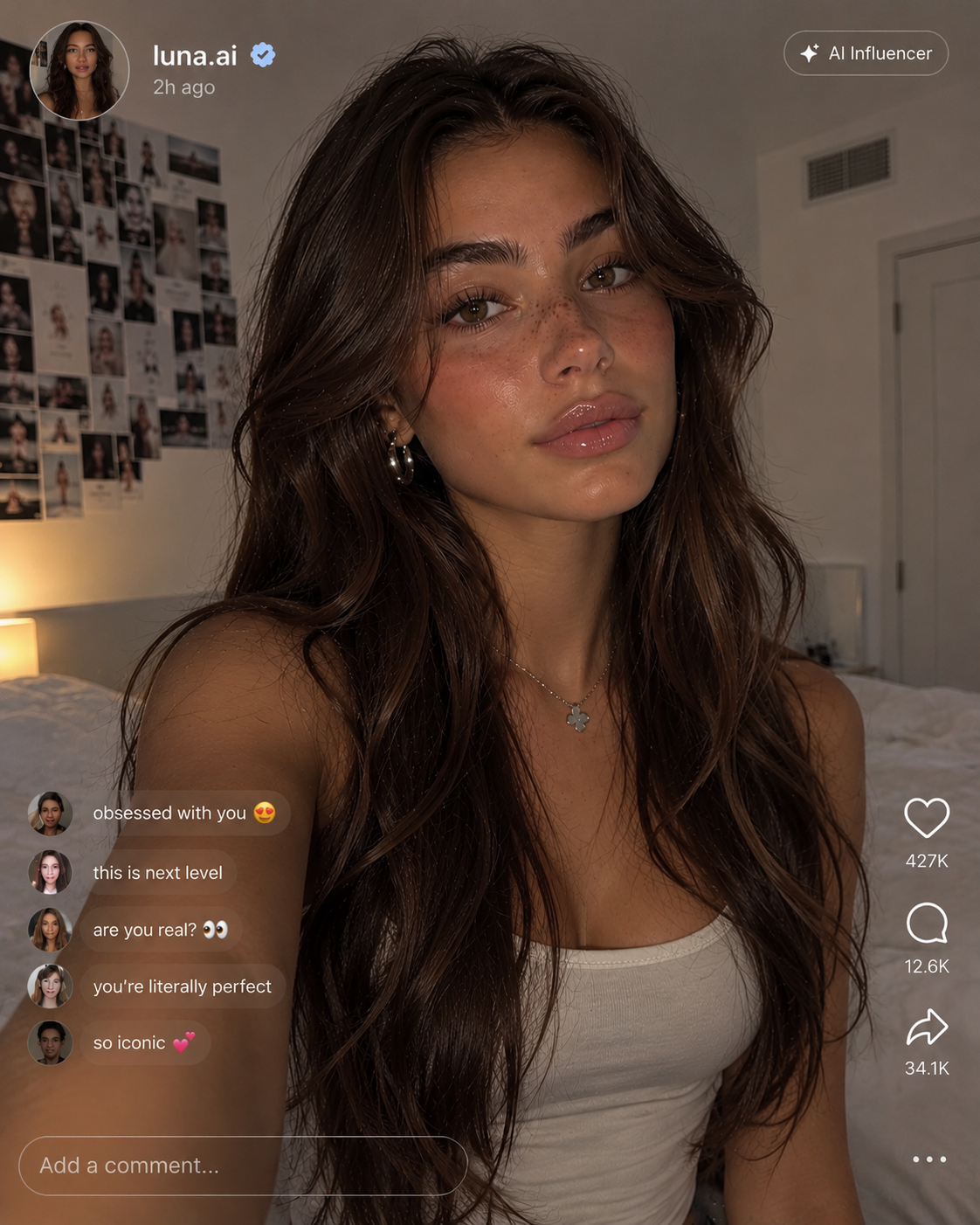
Of course, the rise of AI influencers comes with its own Pandora’s box of ethical and legal questions. For one, consumers are becoming increasingly aware of authenticity… or the lack thereof. While some audiences embrace AI characters as entertainment, others worry about transparency when digital creators endorse products they can’t physically use. Spoiler: an AI influencer cannot actually apply mascara. But they can be excellent at pretending.
Disclosure rules are also evolving. Regulators are tightening requirements around synthetic content, demanding clear identification that an influencer is AI-generated. Brands must be careful to label partnerships properly to avoid misleading consumers. For example, campaigns where AI influencers show “results” from skincare or fitness routines cross into murky territory if not disclosed thoughtfully.
Intellectual property rights add another layer. Who owns the face of an AI influencer? The brand? The developer? The AI itself? (We’re not quite ready for that dystopian subplot yet, but stay tuned.) Marketers also need to tread carefully to avoid unintentional likeness replication. Nobody wants an AI model accidentally resembling an A-list celebrity and triggering a lawsuit.
And then there’s cultural sensitivity. AI influencers are only as responsible as the teams who build them. Missteps, like insensitive captions, tone-deaf styling choices, or cultural appropriation, can still happen, and when an AI influencer messes up, there’s “no one” to apologize… leaving brands fully on the hook.ence in creating branded talent deals from the side of the celebrity.
What AI influencers mean for the future of marketing
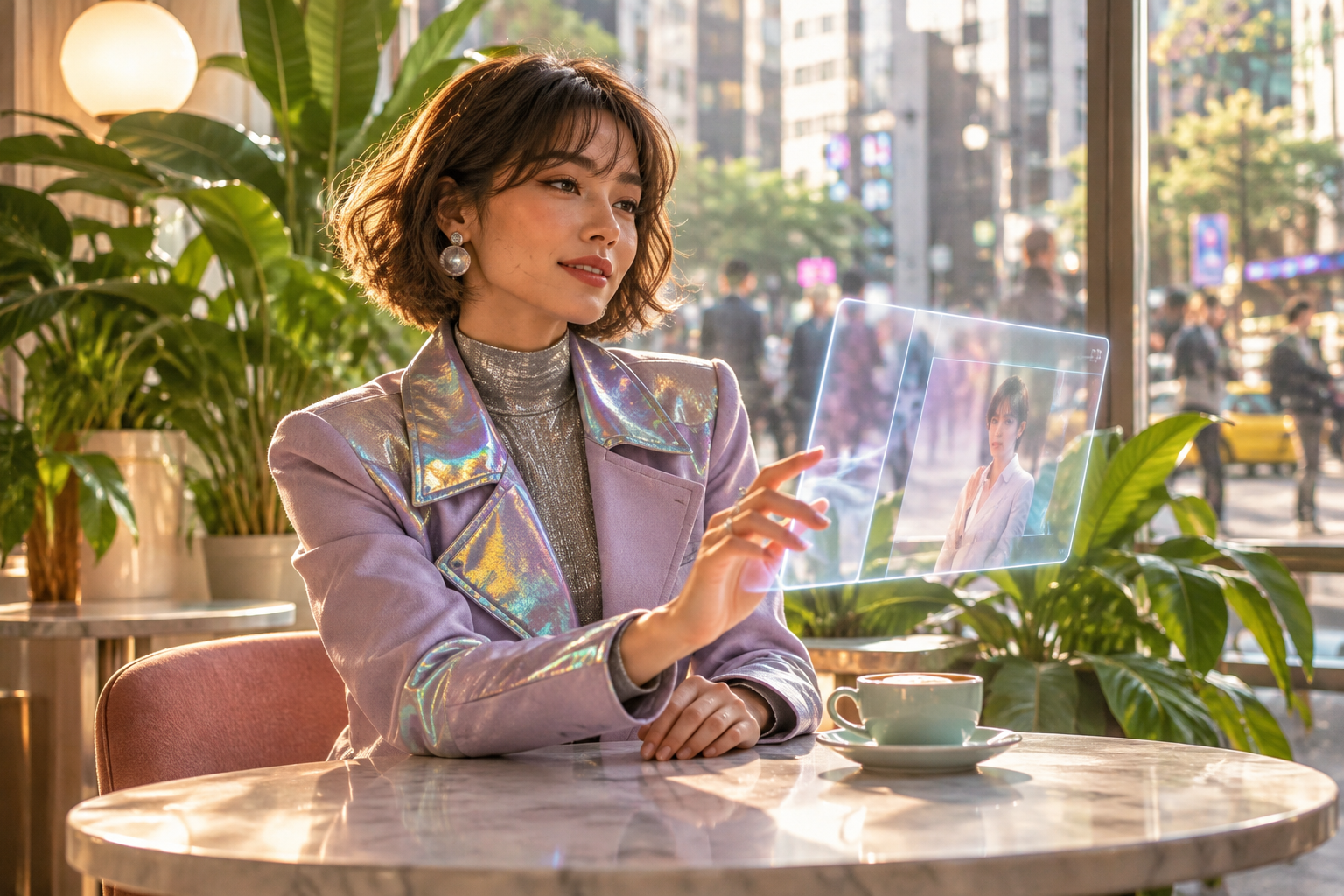
Looking ahead, AI influencers won’t replace human creators, at least not entirely. But they will reshape how marketers build campaigns. The future points toward hybrid influencer ecosystems: real humans anchoring authenticity, and AI personalities accelerating content volume and creative experimentation. Think of AI influencers as the reliable supporting cast - limitless in range, flexible in scheduling, and strikingly cost-efficient.
We’ll likely see new content genres emerge, too. AI influencers might host branded web series, star in interactive ad campaigns, or personalize content for individual consumers using real-time data. Imagine an AI brand ambassador who tailors messages to each viewer based on purchase history and viewing behavior. Personalization on steroids, but with better hair.
As AI tools become more accessible, smaller brands will also be able to “hire” or even create their own AI influencer personalities, democratizing access to high-caliber digital talent. Meanwhile, larger brands will invest in building entire virtual worlds around their digital ambassadors, complete with story arcs, brand collaborations, and community engagement.
As with all industries right now, the marketers who win in this next phase won’t be the ones who resist AI. They’ll be the ones who experiment early, build smart guardrails, and learn how to integrate AI creators into a holistic, future-proofed strategy. 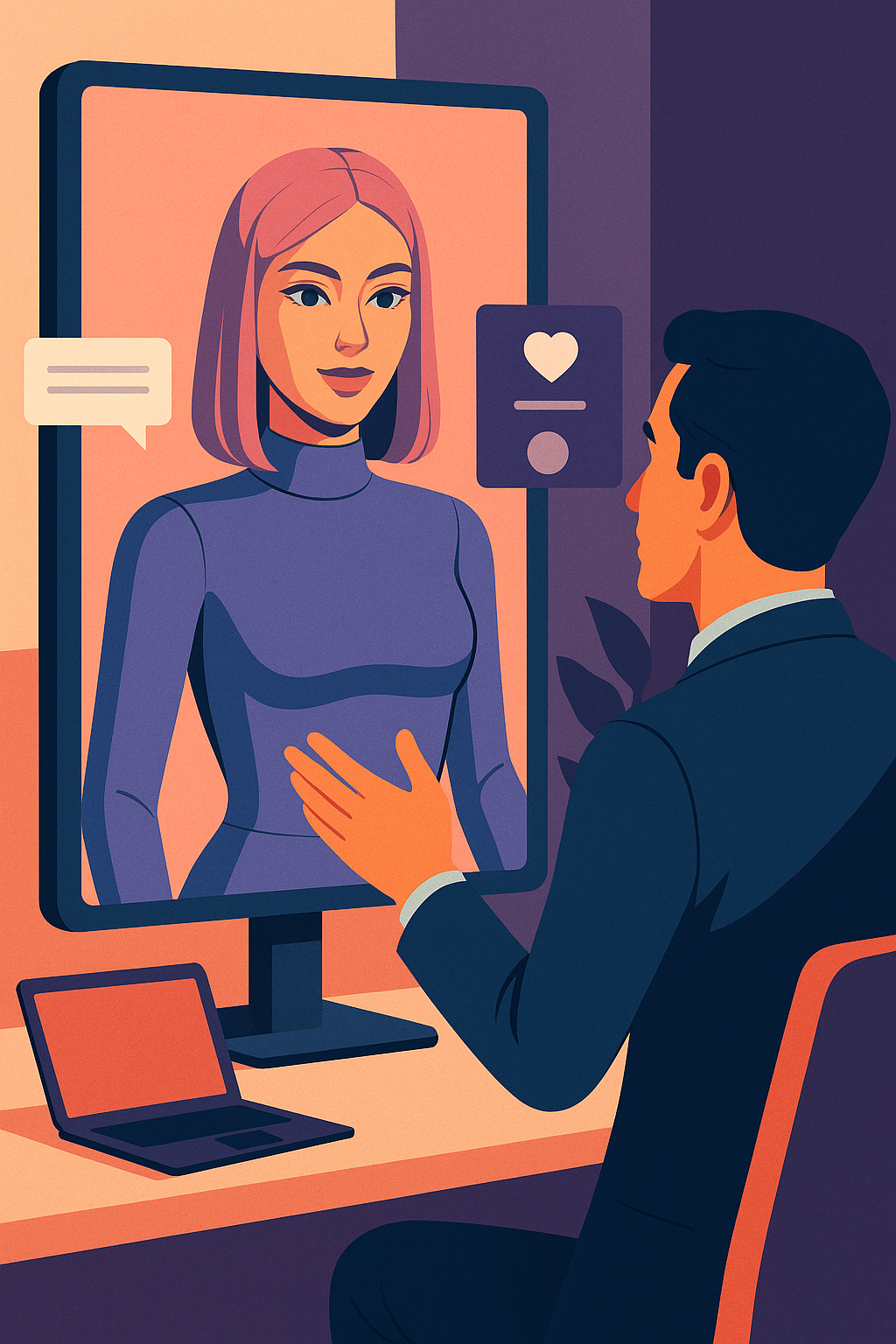
Where Marketers Go From Here
AI-generated influencers are no longer a novelty. They’re a marketing force reshaping the creator economy. Their ability to produce limitless content, stay on-brand, appeal to younger audiences, and evolve quickly makes them a valuable tool for brands looking to scale without sacrificing consistency. But the opportunity comes with responsibility: transparency, thoughtful storytelling, and ethical boundaries matter more than ever. Marketers who take the time to understand the space now will be best positioned to leverage AI creators responsibly and creatively.
Ultimately, AI influencers are not here to take jobs from human creators. They’re here to expand what’s possible in digital marketing. And for brands willing to play, experiment, and remain agile, the future looks surprisingly bright… and perfectly rendered.
l'd be surprised to see who else has announced their own line as well!
Want More?
AI Influencer have you thinking about the future of content creation? Take a look at these articles by our team:
- The Rise of Virtual Influencers
- Why Brands Are Choosing Influencers Over Celebrities
- How Modern Brands Are Redefining Content Creation
- How Brands Achieve Unmatched Cultural Relevance


Though a Jersey girl at heart, Chelsea fell in love with Chicago while receiving her bachelor’s degree in Communications from Loyola University of Chicago. It was in the Windy City where she discovered the art of TV production and has been working in the entertainment industry ever since. Having a passion for entertainment both professionally and personally, you can usually spot her at a concert or movie theatre on the weekends. Since her move to LA, Chelsea’s been taking advantage of the weather, spending time outdoors hiking or at the beach. A shameless fan of celebrity gossip, you can also always find her catching up on the latest Kardashian scandal. While most people have to keep up with the Kardashians, the Kardashians have to keep up with her!