
Quick Answer
Sony ends PlayStation discs in 2028. Hollywood Branded on what the death of physical media means for marketers, ownership, and brand deals.
Why the End of Discs Should Be on Every Marketer's Radar
Sony recently announced it will halt all PlayStation disc printing in January 2028. That single decision is about to reshape how millions of people buy, own, and experience entertainment.
At first glance, this might look like a story for hardcore gamers alone, especially since digital-only consoles already exist for players who stopped buying physical games long ago. But the ripple effects reach far beyond the gaming aisle, touching retailers, consumers, and the brands that market alongside these platforms. In this article, Hollywood Branded discusses what the death of physical media means for entertainment marketing, digital ownership, and the future of brand partnerships.
The Retail Reckoning
The most immediate casualty of an all-digital future is the used-game retailer, and no name looms larger here than GameStop. For decades, GameStop has served as the primary way countless people bought and traded their physical games, building an entire business model around the buying and selling of discs and cartridges. The steady rise of digital purchases had already eaten into that bottom line and forced the company to shutter many locations over the years. Even so, hundreds of storefronts and thousands of employees remain, and Sony's 2028 deadline puts those livelihoods squarely at risk. A company built on trading physical games will need to either pivot hard toward retro titles and the niche audience that comes with them, or lean further into other categories like trading cards, which it has already been banking on heavily.
For marketers, the disappearance of a retail footprint like this is not a footnote, it is a genuine loss of real estate. Physical stores have long been prime territory for in-store brand activations, point-of-sale marketing, and the kind of tactile shopper touchpoints that digital storefronts simply cannot replicate. When a chain like GameStop contracts or vanishes, brands lose a physical stage where they could meet fans in person, run promotions, and build the sort of experiential moments that drive real engagement. The thousands of jobs hanging in the balance are the human cost, but the strategic cost for marketers is the quiet erosion of a channel that once connected products to passionate audiences. Smart brands should be watching GameStop's next move closely, because 2028 will arrive faster than anyone expects, and the marketing playbook built around physical retail will need a rewrite.
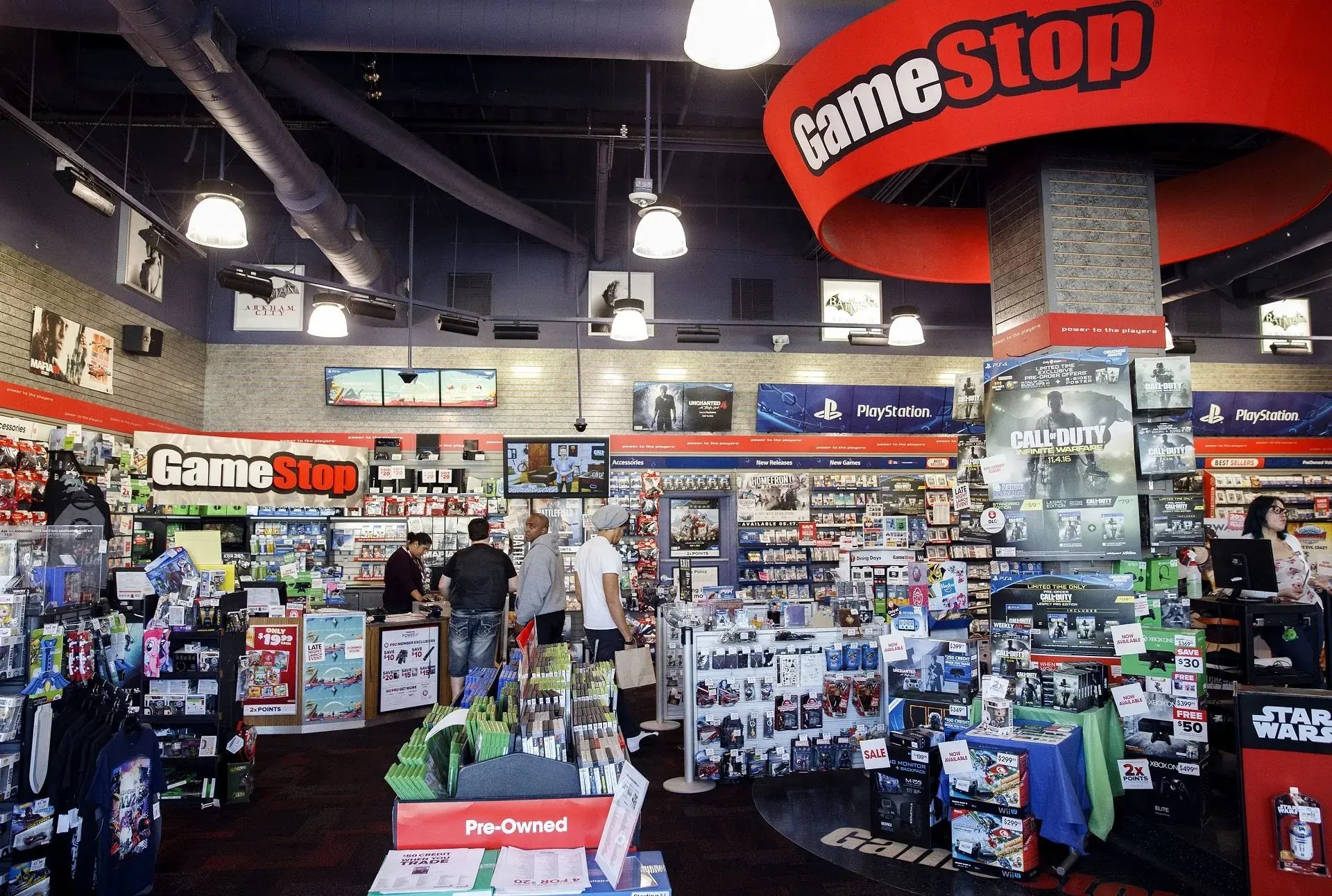
Image Credit: Destructoid
Access and Ownership: The Audience Brands Risk Losing
Here is a group that rarely gets mentioned in these conversations: players who have no reliable internet at home. Art should be accessible to everyone, and physical media made that possible, allowing people who are less fortunate, or who simply lack a connection fast enough to download the 100-plus gigabyte games common today, to still play and participate. When physical media disappears, those gamers get completely shut out of every release after 2028, despite having done nothing but loyally support companies like Sony by buying titles the only way they could. It reads as a punishment for the most devoted segment of the audience, and it leaves them behind for no reason other than the economics of digital distribution. Digital games cost nothing to manufacture and nothing to ship, and they can be priced however the platform holder chooses.
That pricing power is exactly where marketers should pay attention. With no retail competition to push prices down, a platform's only competitor becomes itself, which means it can keep prices as high as it likes because consumers have no other option. For brands, a shrinking and increasingly digital-only audience reshapes both reach and the calculus of who they can actually market to. If a meaningful slice of players is priced or connected out of the ecosystem, the addressable audience for any in-game brand partnership or co-marketing effort narrows accordingly. Reach is the currency of marketing, and anything that quietly shrinks the pool of reachable consumers should give brand strategists pause. The audience brands risk losing is not hypothetical, it is made up of loyal fans who suddenly cannot buy in.
-1.jpeg?width=515&height=388&name=images%20(1)-1.jpeg)
Image Credit: Josh Ramey on Facebook
You Don't Own It: The Licensing Trap and What It Signals for Brands
The ownership question gets even thornier for anyone buying digital games, movies, or shows, because a digital purchase may never amount to true ownership again. Consider a recent example: Sony UK lost its content licensing agreement with StudioCanal, the owner of major titles including Terminator 2: Judgment Day and the Rambo films. Because of that lost license, PlayStation not only pulled those films from its storefront but also deleted them from the libraries of customers who had already paid for them. No refund was mentioned, leaving buyers effectively tricked out of the media they thought they owned. Today those customers could have bought the films on disc instead, but that fallback is exactly what disappears for games in 2028.
For brands, this licensing trap carries a direct and sobering lesson. Imagine a studio releases a game on a future PlayStation console, builds in a brand integration or product placement, and then later walks away from its licensing deal with the platform. Because every copy was purchased digitally, the entire title, and every carefully negotiated brand moment inside it, could simply be yanked from players' libraries with no refund and no recourse. A product placement is only valuable as long as the content remains accessible, and an all-digital world makes that accessibility contingent on licensing agreements that can dissolve overnight. Marketers investing in entertainment integrations need to think hard about permanence, contract language, and what happens to their brand's presence when the content it lives inside can vanish. The StudioCanal delisting is a preview of a risk that brand partners cannot afford to ignore.

The Hidden Cost: How AI Is Driving Up Storage Prices
There is one more cost lurking beneath the digital transition, and it comes from an unexpected direction: artificial intelligence. Consoles like the PlayStation 5 rely on solid-state drives to store the ever-larger digital games being released, and the price of those SSDs has climbed by the hundreds of dollars in just the last few years. The culprit is AI data center demand, since these centers need SSDs to power the high-speed, high-memory services their customers expect, and they buy in massive volume. Because those bulk, long-term orders carry high profit margins for SSD manufacturers, AI buyers get priority over everyday consumers, squeezing supply and pushing prices upward. A 2TB SSD that cost roughly $450 in 2020 now runs over $900 when purchased directly from Sony's website.
That kind of unprecedented increase means any consumer who wants more than a couple of games downloaded must be wealthy enough to spend nearly a thousand dollars on storage, on top of the $500-plus they already paid for the console itself. For marketers, this is another quiet contraction of the addressable market. Every consumer who cannot justify that expense is a consumer who downloads fewer games, engages with fewer titles, and encounters fewer of the brand integrations woven into them. It is not only die-hard physical-media fans who are unprepared for an all-digital world, it is also anyone unwilling or unable to spend a grand on storage. When the cost of participation rises, the pool of reachable, engaged players shrinks, and the value of marketing inside that ecosystem shrinks along with it.
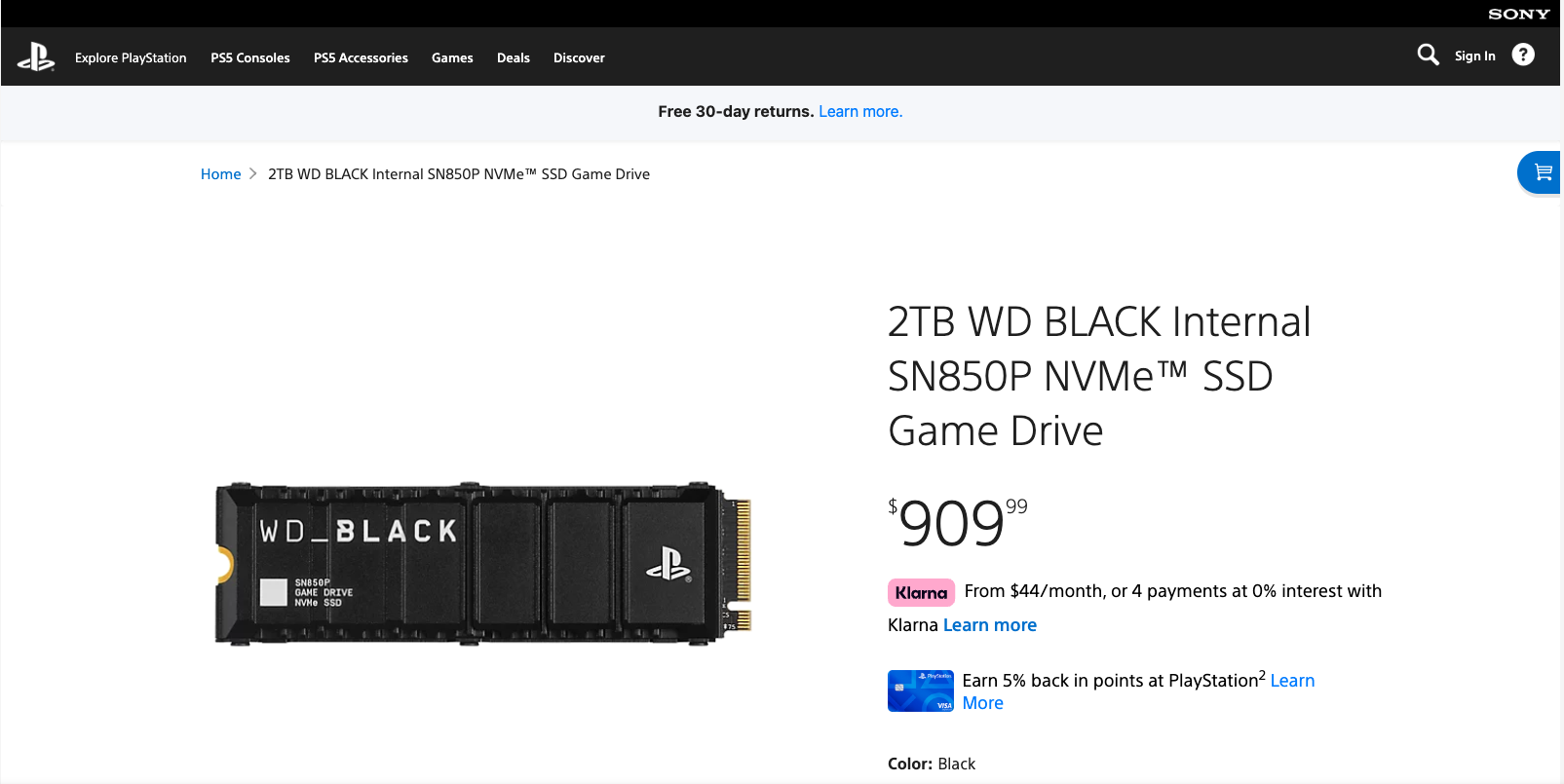
Image Credit: Sony
The Case for Preservation, Ownership, and Consumer Voice
This is the real importance of physical media. Subscription services and digital libraries may feel more convenient in the short term, but the long-term trade is a permanent state of non-ownership, where we cannot truly own our games, movies, shows, or music, only rent access that can be revoked. It may be too late to change Sony's mind on this particular decision, but consumers still have a voice, and money talks. Buying physical games while you still can sends a clear signal to Sony, Nintendo, and Microsoft that plenty of players still want to own the art they cherish rather than watch it fade away.
For marketers, the takeaways are concrete. The shrinking of physical retail erases a proven channel for in-store activations and experiential marketing. The rise of digital-only pricing and rising hardware costs quietly narrows the audience brands can actually reach. And the licensing fragility exposed by the StudioCanal delisting means any brand integration built into digital content carries a real risk of vanishing without warning. The brands that stay ahead will be the ones watching these shifts now, building flexibility into their entertainment partnerships, and understanding that ownership, access, and permanence are no longer guarantees. Physical media's decline is not just a gaming story, it is a marketing story, and it is unfolding faster than most realize.
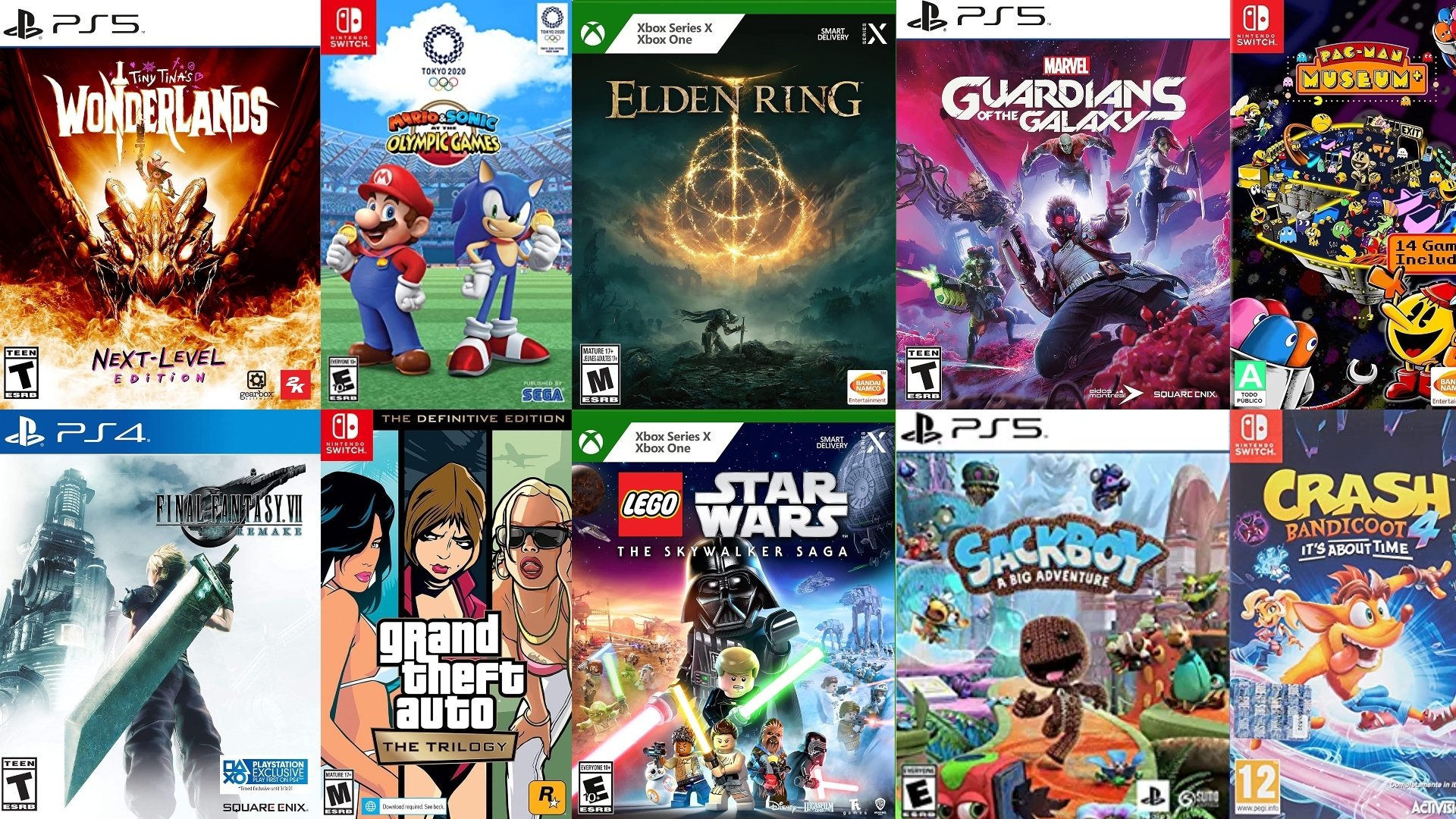
Image Credit: The Loadout
Eager To Learn More?
If this look at the future of entertainment and ownership sparked ideas for your own brand strategy, here is some related reading from the Hollywood Branded blog to keep the momentum going.
- How Brands Can Win With Gaming and Esports Marketing
- How Sega's Marketing Changed The Gaming Industry
- Brand Partnerships Doing It Right in 2026
- Video Game Product Placement In Film and TV
Want to stay in the know with all things pop culture? Look no further than our Hot in Hollywood newsletter! Each week, we compile a list of the most talked-about moments in the entertainment industry, all for you to enjoy!