Quick Answer
Vertical dramas are reshaping storytelling. Explore how short-form, mobile-first series drive engagement, monetization, and new brand opportunities.
scrolling through scenes
If you’ve spent any time on TikTok recently, you’ve likely encountered it: a dramatic scene shot in vertical format, packed with emotional dialogue and a perfectly timed cliffhanger that cuts off just as the tension peaks. Before you can scroll away, a prompt appears inviting you to download an app to keep watching. What initially feels like a casual piece of TikTok content is actually something far more strategic - a new form of serialized storytelling designed specifically for mobile viewing and algorithm-driven discovery.
This emerging format, often referred to as vertical dramas, blends the heightened emotion of traditional soap operas with the speed, structure, and monetization mechanics of social media. Episodes are typically under a minute, distributed through paid TikTok ads, and monetized through pay-or-wait viewing models that reward binge behavior and repeat engagement. Built to hook viewers quickly and keep them coming back, these series are gaining traction at a moment when attention spans are shrinking, and mobile-first entertainment is becoming the default. In this article, Hollywood Branded explores the rise of vertical dramas, why the format is taking off now, the tropes driving its addictive appeal, and the brand opportunities emerging alongside this new wave of storytelling.
 Photo Credit: Candy Jar
What are vertical dramas
Vertical dramas are scripted, serialized shows created to be watched on smartphones in portrait mode. Rather than releasing full-length episodes, these series are broken into dozens, sometimes hundreds, of micro-episodes, each lasting anywhere from 30 seconds to a minute.
The storytelling is unapologetically soapy. Plots are fast-moving, emotional stakes are high, and twists come early and often. Think secret affairs, surprise pregnancies, love triangles, betrayals, and sudden revelations, all delivered in bite-sized installments.
What makes this format unique isn’t just the vertical framing; it’s the distribution model. Most viewers don’t discover these shows organically within the apps themselves. Instead, they’re introduced through paid advertisements on TikTok and other social platforms. These ads look and feel like native content: a dramatic scene, a shocking line of dialogue, and a perfectly timed cut to black.
To keep watching, viewers are directed to download a dedicated app where the series lives.
 Photo Credit: Los Angeles Times
The Hook: Monetization through suspense
Once inside the app, the structure becomes clear. Episodes are released incrementally, often locked behind a 24-hour wait window. Viewers can either wait for the next episode to unlock or pay to continue watching immediately.
This model turns suspense into currency.
The format borrows heavily from the psychology of binge culture and mobile gaming. Cliffhangers aren’t just narrative tools; they’re monetization strategies. The emotional payoff is always one episode away, and the friction between curiosity and patience is where revenue is generated.
It’s a system designed to reward obsession. The more invested a viewer becomes in the characters and drama, the more likely they are to either return daily or pay to skip the wait.

Photo Credit: ReelShort
where vertical dramas are thriving
Vertical dramas may feel like a new discovery on Western social feeds, but the format first found massive success in China, where short-form serialized dramas evolved into a multibillion-dollar industry. In 2024 alone, China’s micro-drama market generated over 50 billion yuan (roughly $7 billion USD), with hundreds of millions of viewers consuming these bite-sized series on mobile devices . Built for daily viewing, cliffhangers, and monetization through pay-to-unlock models, the format proved that short runtimes didn’t limit audience investment. They intensified it.
That model has since scaled globally. Platforms like ReelShort have brought vertical dramas to Western audiences, leveraging TikTok as a primary discovery engine. ReelShort alone has surpassed hundreds of millions of downloads worldwide, with the U.S. now emerging as one of its strongest revenue markets. Apps like Candy Jar follow a similar playbook, leaning into romance-driven narratives and familiar tropes that hook viewers quickly and encourage daily returns.
What unites these platforms is their understanding of modern viewing behavior. Vertical dramas thrive not because audiences seek them out, but because they’re engineered to find audiences, meeting viewers mid-scroll and pulling them into serialized stories one dramatic minute at a time.
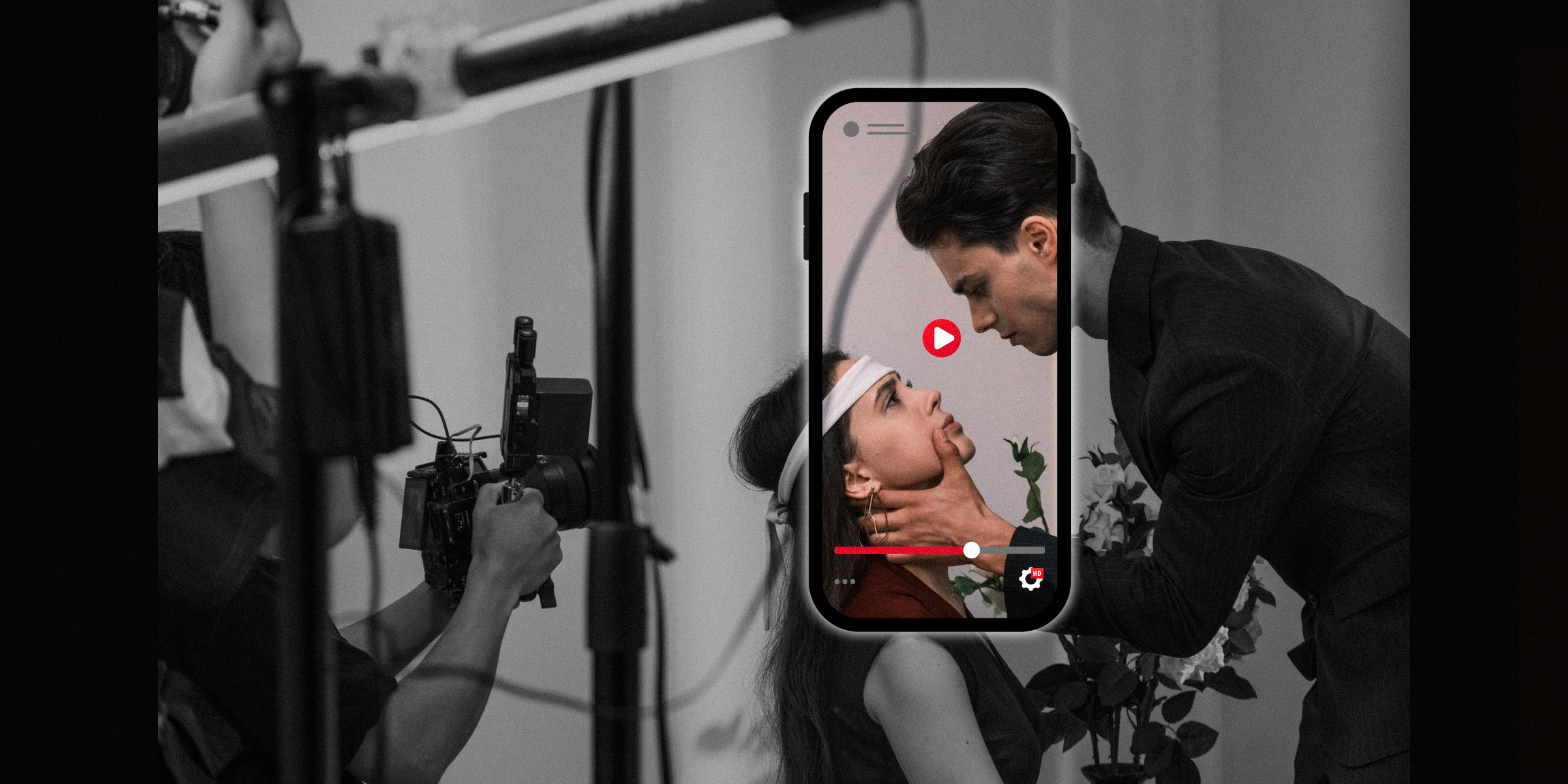
Photo Credit: Sixth Tone

tropes that keep viewers hooked
What makes vertical dramas so effective isn’t subtle storytelling, it’s speed and emotional clarity. These series rely on instantly recognizable tropes that communicate conflict within seconds, allowing viewers to jump in without context and still feel invested. Some of these stories are also adapted from lesser-known romance novels.
Enemies-to-lovers dynamics escalate almost immediately, often colliding with secret relationships or forbidden romances that carry built-in tension. Characters frequently discover hidden truths, surprise heirs, secret marriages, sudden wealth, or betrayals that reframe everything the audience thought they understood. Love triangles are common, but they’re rarely slow-burning; instead, they’re designed to provoke quick allegiance and emotional reaction.
Moral extremes play a key role as well. Characters are often clearly wronged or positioned as villains, making the emotional stakes easy to grasp and root for. Each episode builds toward a moment of revelation or confrontation, ending just before resolution arrives. The goal isn’t complexity, it’s momentum. In a format where episodes last under a minute, clarity and intensity matter more than nuance.
These tropes aren’t accidental. They’re optimized for short-form viewing, where the viewer’s decision to keep watching happens almost instantly. Vertical dramas succeed because they make emotion legible at a glance.
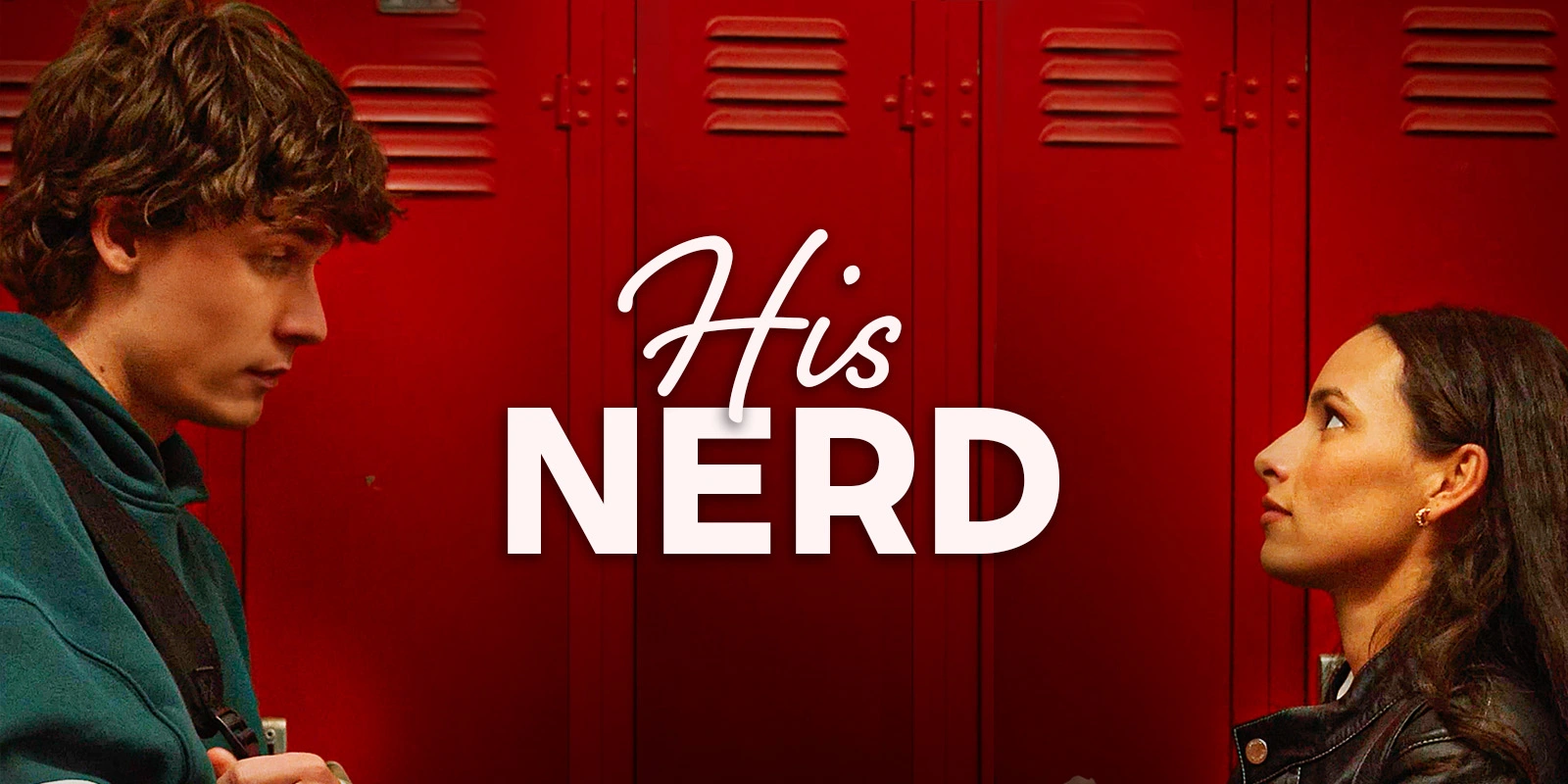
Photo Credit: Candy Jar
Why this format is taking off now
Vertical dramas are a direct response to how audiences consume media today. Attention is fragmented. Discovery happens on social feeds, not homepages. And viewers are increasingly comfortable with storytelling that unfolds across platforms, even if it's super cheesy.
This format meets audiences where they are already on their phone scrolling, and it offers something familiar but reimagined. It blends the addictive nature of soap operas with the immediacy of short-form video, creating a hybrid that feels both nostalgic and new.
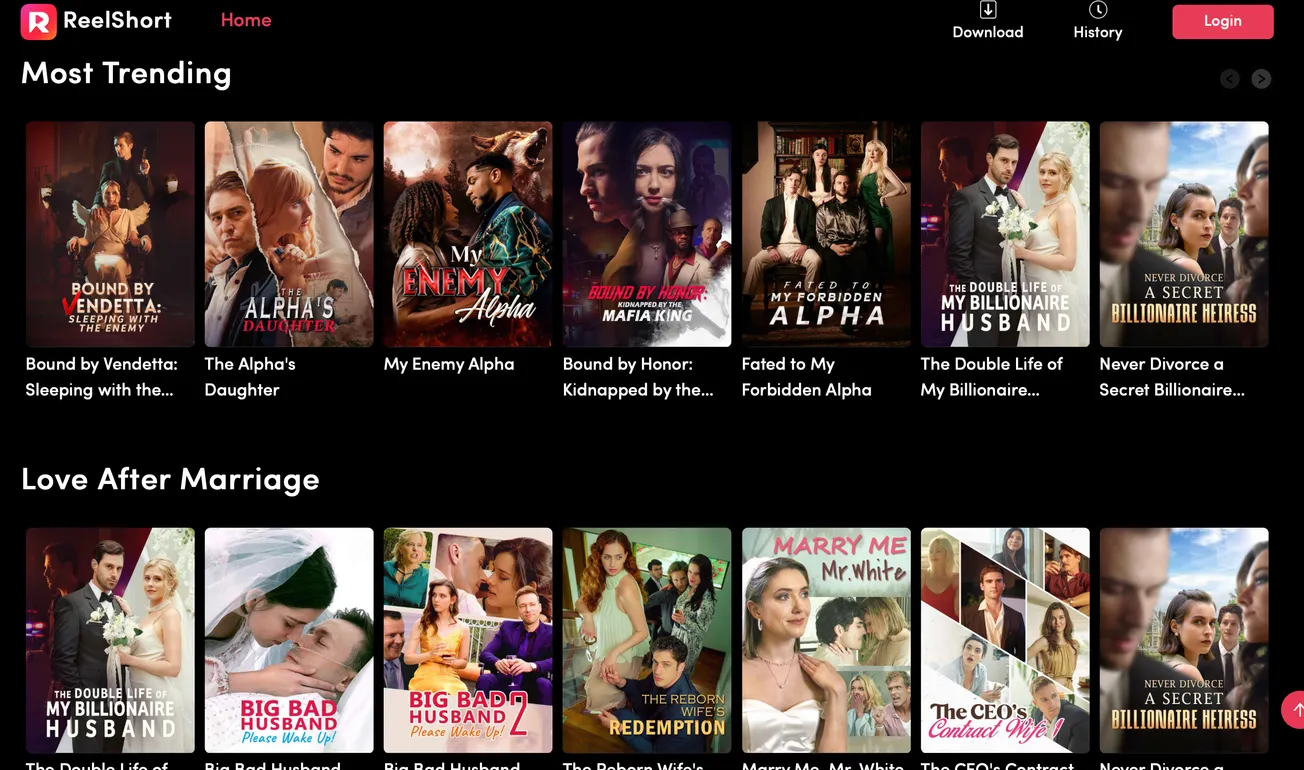
Photo Credit: Reel Short
The future of vertical dramas
Vertical dramas may feel niche now, but they’re tapping into something fundamental: the desire for continuous, emotionally driven storytelling in formats that fit modern habits.
As production quality improves and platforms refine their models, we’ll likely see this space expand, potentially influencing how traditional studios think about mobile-first narratives, episodic pacing, and monetization.
Whether vertical dramas become a lasting category or a stepping stone toward something new, they already reveal an important truth about today’s media landscape: storytelling doesn’t disappear when attention spans shrink; it adapts.
And right now, it’s doing so one dramatic minute at a time.

Photo Credit: The Hollywood Reporter
Eager To Learn More?
If vertical dramas caught your attention, they’re just one example of how short-form storytelling, social platforms, and evolving audience behavior are reshaping entertainment and brand engagement. For more insight into how these shifts are playing out across media, explore these related reads from Hollywood Branded:
- TikTok Trends That Are Changing the Game for Brands
- Micro-Dramas, The New Frontier in Brand Storytelling
- From Vlogs to TikTok & Podcasts: Why Entertainment Content Shifted from Long-Form Videos to Bite-Sized Formats
- From Silver Screen to Social Feeds: How Product Placement Evolves
-
Why Pop Culture Is Where Brand Relevance Is Earned
Want to stay in the know with all things pop culture? Look no further than our Hot in Hollywood newsletter! Each week, we compile a list of the most talked-about moments in the entertainment industry, all for you to enjoy!