Quick Answer
Dolly Parton built more than a music career. Here's what her ownership, authenticity, and generosity teach today's brand marketers.
A Cultural Force, and a Business Mind Few Ever Matched
Dolly Parton, who passed away on August 25, 2026 at the age of 80, wasn't just one of the greatest musical talents of the last century. She was also one of the sharpest business minds in entertainment history, someone who built an entire commercial ecosystem out of authenticity, ownership, and generosity long before those words became marketing buzzwords. She didn't wait for doors to be opened. She built them, walked through them, and left more room behind her for everyone who came after.
For entertainment marketers, her career offers something rare: a genuinely complete case study in how personal brand, business ownership, and cultural contribution can reinforce each other over the course of a six-decade career. In this article, Hollywood Branded looks at what Dolly Parton's business legacy teaches marketers about authenticity, ownership, and building a brand that lasts.
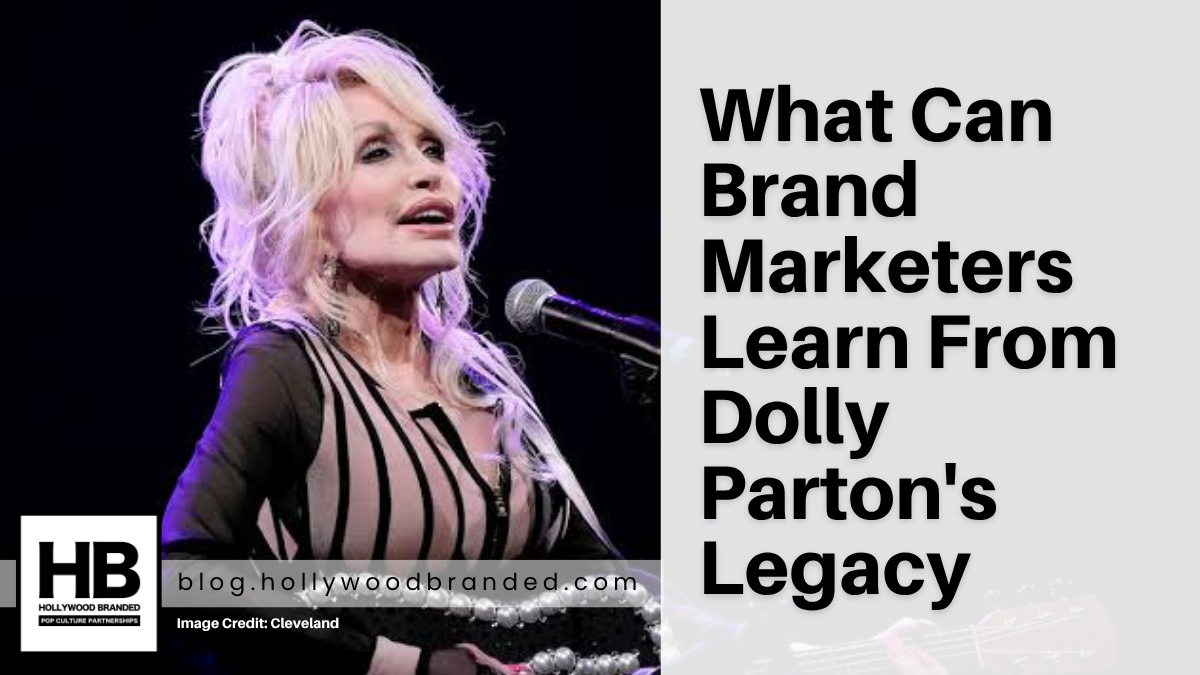
She Built Her Path Before Anyone Handed Her One
Dolly left Sevier County, Tennessee the day after her high school graduation with a plan already in her head. Nashville didn't invite her. She showed up, and when there wasn't a door waiting for her, she built one. That part of her story often gets flattened into a fairy tale, but it wasn't one. It was work. She wrote songs for other artists before the world knew her name, learning the music business from the inside as a songwriter long before she ever stood at center stage as the star.
While much of the industry focused on her hair, her heels, and her rhinestones, Dolly was quietly learning publishing, royalties, contracts, and ownership. Most performers get famous first and learn the business side afterward, often the hard way. Dolly did it in reverse, and that sequencing shaped everything that came after. For marketers, it's a reminder that the infrastructure behind a brand, the contracts and the ownership terms, matters just as much as the visibility in front of it.
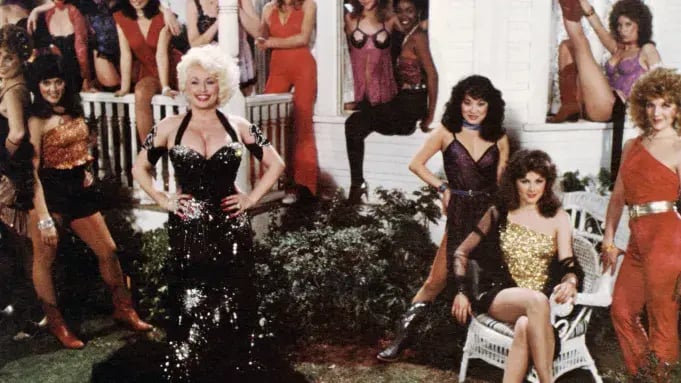 Photo Credit: Deadline
The Blueprint for Personal Branding, Before It Had a Name
Dolly was the blueprint for personal branding before anyone had bothered to call it that. The hair, the voice, the humor, the mountains she came from, none of it came out of a branding agency. It was simply Dolly, turned all the way up, and then she built businesses around it. Dollywood wasn't licensed nostalgia bolted onto a theme park in a convenient location. She built it in the mountains where she grew up, creating real jobs and economic opportunity for the community that raised her.
She also wrote her own songs and protected her own publishing, and one of the clearest examples of why that mattered came decades later. When Whitney Houston's recording of "I Will Always Love You" became a worldwide phenomenon, Dolly benefited enormously because she had written the song and retained the publishing rights. A decision she made years earlier kept paying her back when an opportunity showed up that nobody could have predicted. For brands, the lesson is straightforward: very few people spend the years it takes to build the infrastructure that lets them actually own the giant moment when it finally arrives. Dolly did.
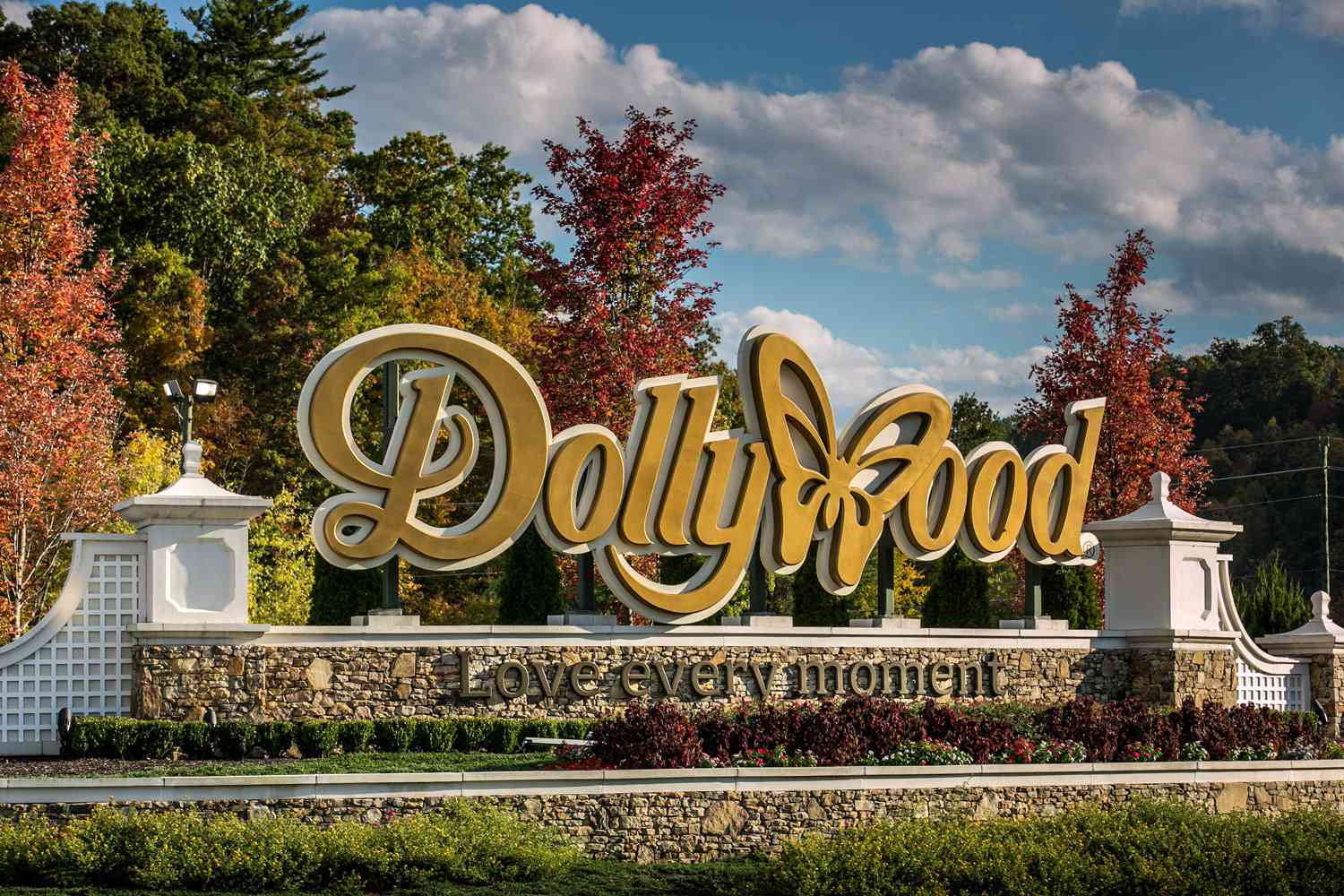 Photo Credit: People Magazine
A Business Ecosystem, Not Just a Music Career
Dolly wasn't a singer who happened to also own some businesses. She built an entire ecosystem out of music, publishing, film, television, Dollywood, dinner attractions, books, merchandise, licensing, and philanthropy, and she kept building new extensions of it even at 80 years old. She had a musical based on her life headed to Broadway, and alongside it she built Dolly U, a program giving students hands-on experience in production, marketing, brand partnerships, and merchandising, using her own life story as the case study.
Today, a strategy deck would probably describe that kind of work as intellectual property expansion or audience monetization. Dolly likely just called it work. That's the part that tends to get lost when her story is flattened down to rhinestones and a big personality. Underneath all of it sat one genuinely sharp business brain, and a track record of continuing to build well past the point most careers slow down.

She Didn't Borrow Culture, She Contributed to It
Brands constantly want to borrow culture, a celebrity, a movie, a musical moment, anything that captures attention for a while. But the strongest brands don't just borrow culture, they contribute something to it. Dolly never chased relevance because she had already built a world people wanted to enter. Dollywood, her music, her books, her films, her look, her philanthropy, different businesses and different platforms, but always the same Dolly underneath. That consistency is exactly why her brand could stretch into almost anything without ever feeling like she had sold herself out.
The Imagination Library is the clearest example of that mutual-benefit instinct. For more than 30 years, books have gone into the hands of children because Dolly believed children should have books, hundreds of millions of them, with no strings attached and no press tour required. It offers a simple test for brand purpose: would you still do the thing if nobody ever wrote an article about you doing it? If the answer is yes, there's probably something meaningful there. If the answer is no, what's really been built is a press release with a budget attached.

A Legacy Built on Ownership, Authenticity, and Generosity
Country music, pop, Hollywood, business, theme parks, publishing, philanthropy. Different rooms, but always the same woman walking into every one of them. Dolly didn't spend her life trying to find herself. She created herself, over and over again, and then she protected what she created. She was grateful without being submissive, humble without pretending she wasn't powerful, and kind without ever being a pushover, generous with fans and employees alike without ever needing to make herself smaller to do it.
For marketers, her career is a reminder that the most durable brands aren't built on borrowed attention. They're built on ownership, consistency, and genuine contribution sustained over decades, not campaign cycles. Every time she walked through another door, there seemed to be more room behind her for someone else to follow. That's an extraordinary way to build a life, and one of the more instructive legacies in business history.

Eager To Learn More?
Dolly Parton's career sits at the intersection of authentic personal brand and genuine business ownership, a combination worth studying further. These related Hollywood Branded reads explore that territory from a few different angles:
- A Deep Dive Into Celebrity-Owned Brands
- Beyond the Spotlight: The New Dynamics of Celebrity Branding
- Billion-Dollar Celebrity Brands: What Happens After They Sell?
- Serena Williams: The Athlete Who Built a Global Brand Empire
- The Weeknd's Marketing Empire: What Brands Can Learn From His Playbook
Want to stay in the know with all things pop culture? Look no further than our Hot in Hollywood newsletter! Each week, we compile a list of the most talked-about moments in the entertainment industry, all for you to enjoy!