

Quick Answer
Discover how cultural moments like Messi and Yamal's story, along with FIFA's halftime show, reveal the importance of building genuine brand relevance.
A photograph nobody could have scripted
In 2007, a 19 year old Lionel Messi posed for a UNICEF photoshoot holding a baby boy named Lamine Yamal. Nineteen years later, that same baby started for Spain in the 2026 World Cup final and lifted the trophy on the field where Messi walked off in tears.
That single image, taken years before either man knew what it would come to mean, is now one of the cleanest examples of a cultural moment that no brand could have manufactured and no campaign budget could have bought. In this article, Hollywood Branded shares what the Messi and Yamal moment, along with FIFA's unprecedented World Cup halftime show, teaches brands about the difference between manufacturing relevance and earning it.

the narrative was already written
Strip away the scoreline from the 2026 World Cup final and a complete dramatic arc remains. A 39 year old Messi played his sixth and almost certainly final World Cup, scored a hat trick to get Argentina to the final, and then walked off the field in tears after a 1-0 loss to Spain. A 19 year old Lamine Yamal, who once existed in Messi's arms as nothing more than a photograph, lifted the trophy in his place. That is a beginning, a middle, and an end, with legacy passing between generations documented in a single image that predates the entire story by nearly two decades. The cultural gravity of that moment cost FIFA nothing to produce, and it would have been written about in every language on every platform regardless of who sponsored it.
This is what brands consistently misunderstand about pop culture marketing. The story already exists, whether a brand is inside it or watching it from the outside. Brands that were already positioned across Messi's Argentina career through legitimate integration and partnership do not need to manufacture their connection to this moment, because the moment finds them on its own.
Adidas has an 18 year relationship with Messi, and that relationship does not end because his World Cup career does. It simply enters a new chapter with earned credibility that no amount of campaign spend can replicate from scratch, while brands that show up after the moment trying to attach themselves to it retroactively are always visible, because the audience can see the seam.
 AI Generated Image
fifa built a halftime show and brand should understand why
For the first time in World Cup history, FIFA replaced the standard 15 minute halftime with a 27 minute entertainment show. Madonna emerged from the tunnel alongside Brazilian legends Ronaldo and Ronaldinho, BTS performed, and Justin Bieber sang a rewritten version of "Hallelujah" introduced by Jason Sudeikis and Brendan Hunt in character as Ted Lasso and Coach Beard. Shakira and Burna Boy performed the tournament anthem, and Coldplay closed the show with children in bright costumes on the field. The show ran nearly double the time IFAB's Laws of the Game typically permit, meaning players restarted a World Cup final after a 27 minute entertainment break built specifically for a global television audience.
That length and lineup was a strategic declaration, not an experiment. The 2026 tournament was staged across the United States, Canada, and Mexico specifically to open the North American market, and FIFA paired that expansion with hydration breaks, a 48 team format, and now a halftime show that creates an entirely new sponsorship category.
The Super Bowl halftime show generates hundreds of millions of dollars in earned media value every year, and brands like Pepsi, Roc Nation, and Apple Music have each paid significantly to put their name on that stage because the audience does not leave the room during a performance the way it does during a commercial break. FIFA just built that same asset on a global footprint, and the brands paying attention now are the ones who will own the category before it gets expensive.

AI Generated Image
the performer lineup
Look closely at who FIFA assembled and the lineup reads less like a playlist and more like a demographic map with performers assigned to each segment. BTS commands a fanbase that is young, multi market, deeply brand loyal, and notoriously hard to reach through traditional media. Shakira has now performed at multiple World Cups, and her song "Waka Waka" remains the most streamed World Cup song in history, while Coldplay has built their brand partnerships around sustainability and optimism, Bieber delivers broad family friendly legacy pop appeal, and Madonna is the prestige booking that signals the stage belongs alongside the most iconic entertainment moments ever produced. K-pop audiences, Latin American and global south audiences, Gen X nostalgia, and family appeal were each represented in sequence, closing with children on the field, which is the most reliable device in live entertainment for making a stadium of strangers feel unified.
The appearance of Ted Lasso and Coach Beard on that same stage tells a second story about brand and IP longevity. Jason Sudeikis and Brendan Hunt did not walk out as themselves, they walked out as the characters, even though Apple TV Plus has not released a new season of the show in two years. Ted Lasso's cultural fingerprint is still legible enough to be deployed at the biggest sporting event on earth, and its premise as an American coaching English football made the casting precise rather than incidental.

the brands that win are not the ones with fifa sized budgets
Most brands chase moments. They wait until something is already culturally on fire, spend to be adjacent to it, and move on once the heat fades, and what they almost never do is build the moment themselves. Building the moment means planting the seed years in advance, staying close to the story as it develops, and positioning a brand to be part of the payoff when the arc finally completes. That distinction, between buying access to culture and earning a place inside it, is the entire difference between a brand that gets remembered and a brand that gets skipped in the recap.
The brands that matter five years from now are the ones creating their own version of that 2007 photograph today, rather than waiting for a Messi and Yamal style story to emerge and then scrambling to attach to it after the fact.
This is the work Hollywood Branded does for its partners. We do not build brands from scratch or manufacture relevance where none exists, we look at what a brand has already built, the equity it has earned, and the story it has not yet told at the right volume, and we find the pop culture doors that connect all of it to the audiences who need to see it.
The sale does not happen because something new was created out of nothing, it happens because the right door opened at the right moment to what was already there.
 AI Generated Image
what this means for brand marketers right now
The Messi and Yamal photograph and FIFA's halftime show are not just feel good sports stories, they are working proof of a strategy that entertainment marketers have argued for years. Cultural moments are recognized, not manufactured, and the brands that build genuine relationships with talent, franchises, and pop culture properties well before the spotlight arrives are the ones who get to stand inside the story instead of chasing it from the outside. Whether the budget looks like FIFA's or looks nothing like it, the same principle applies at every scale, and the brands willing to invest in relevance before it is trending are the ones who will look prescient when the moment finally arrives.
For marketers building a partnership strategy today, the takeaway is straightforward. Start relationships with talent and properties before there is an obvious campaign reason to, invest in the categories and creators your audience already cares about, and resist the instinct to attach to a moment after it has already peaked. Every brand chasing the trophy ceremony after the confetti has fallen is proof of what happens when a brand waits too long, while every brand already in the frame when the story completes is proof of what happens when it does not.
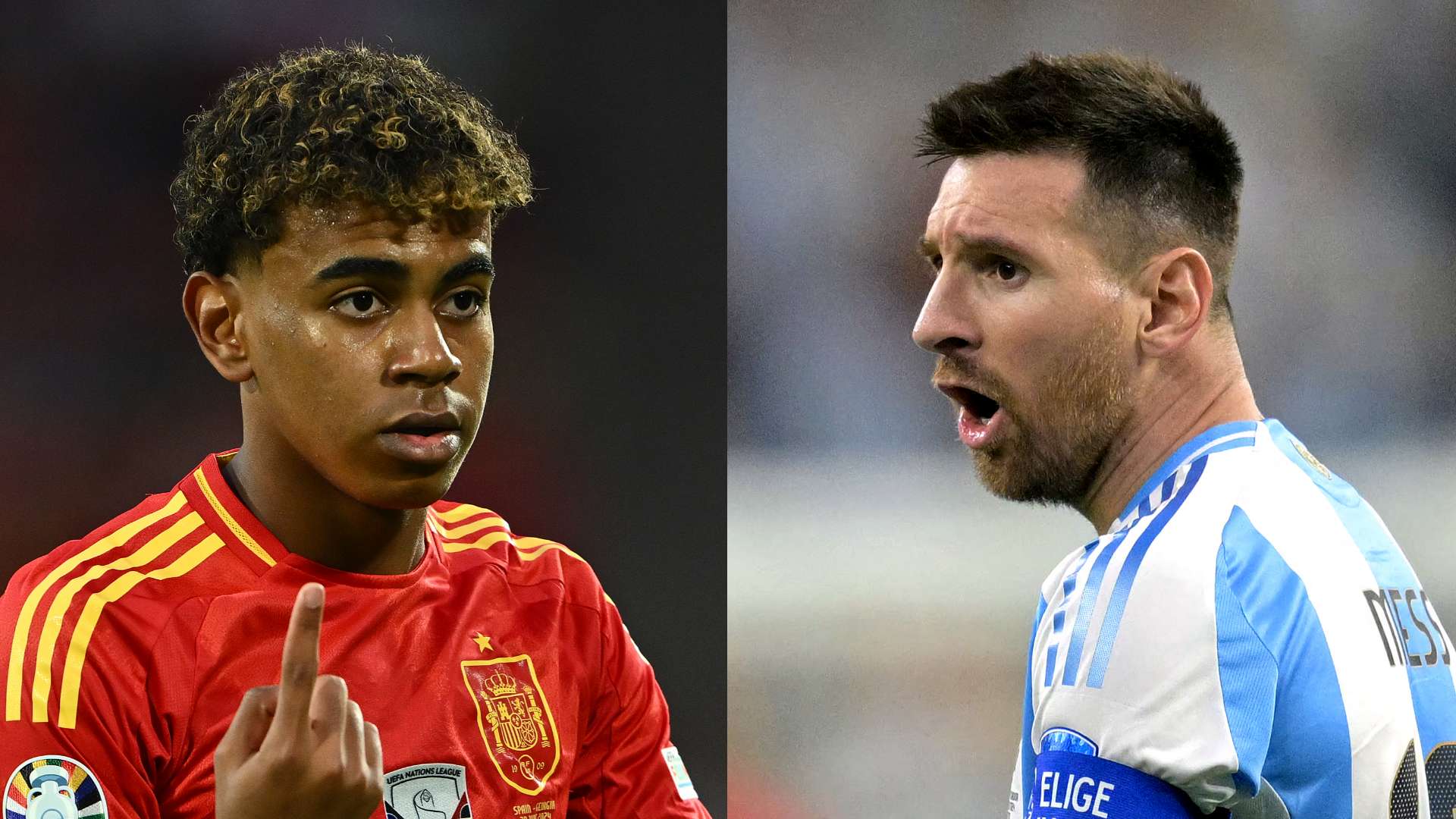 Image Credit: Goal.com
Eager To Learn More?
For marketers ready to apply these same principles to their own brand, these related reads dig deeper into building celebrity partnerships and sponsorship strategy that last:
- Ryan Reynolds: The King of Celebrity Endorsements and Brand Partnerships
- The Celebrity Playbook: Building Authentic, Story-Driven Partnerships
- 5 Celebrity Brand Partnerships That Perfectly Harness Pop Culture Marketing
- Why Sponsorship Marketing Is Vital To Powerful Brand Marketing
- From Celebrities to Cost: A Look at Super Bowl LV
Want to stay in the know with all things pop culture? Look no further than our Hot in Hollywood newsletter! Each week, we compile a list of the most talked-about moments in the entertainment industry, all for you to enjoy!