
Quick Answer
Will an MLB lockout cancel baseball in 2027? Learn what is driving the salary cap fight and what a lost MLB season could mean for brands and sponsors.
Is Baseball about to go dark in 2027?
America's pastime is heading toward a labor showdown that could leave ballparks empty next spring. With Major League Baseball's collective bargaining agreement set to expire on December 1, 2026, the possibility of an MLB lockout has moved from speculation to expectation.
For fans, a lockout means a winter without free agency and, potentially, a summer without games. For brands, sponsors, and media partners, it means one of the country's biggest cultural platforms could suddenly go quiet. In this article, Hollywood Branded discusses what is driving the looming MLB lockout, how the salary cap debate could shape the 2027 season, and what it all means for marketers.
When Does the MLB Labor Deal Expire and Why Is a Lockout Expected?
Baseball's current collective bargaining agreement, the contract that governs everything from minimum salaries to free agency rules, expires just before midnight Eastern on December 1, 2026. Almost no one in the industry expects a quiet handoff to a new deal. Owners are widely expected to lock players out the moment the agreement lapses, repeating the same move they made in December 2021. Even the players union has described a lockout as all but guaranteed, which says a lot about how far apart the two sides remain. A lockout differs from a strike because ownership initiates it rather than players, and it is used to apply pressure on the union at the bargaining table.
Once a lockout begins, the business of baseball essentially freezes in place. Free agency stops, trades halt, and teams cannot conduct normal business with players on their rosters. That freeze ripples outward quickly, because the offseason is when franchises build buzz through signings and when sponsors start locking in spring and summer plans. The 2021 lockout lasted 99 days and delayed the start of the 2022 season, although the league ultimately preserved a full 162 game schedule. This time, the stakes appear higher and the rhetoric on both sides is noticeably sharper.
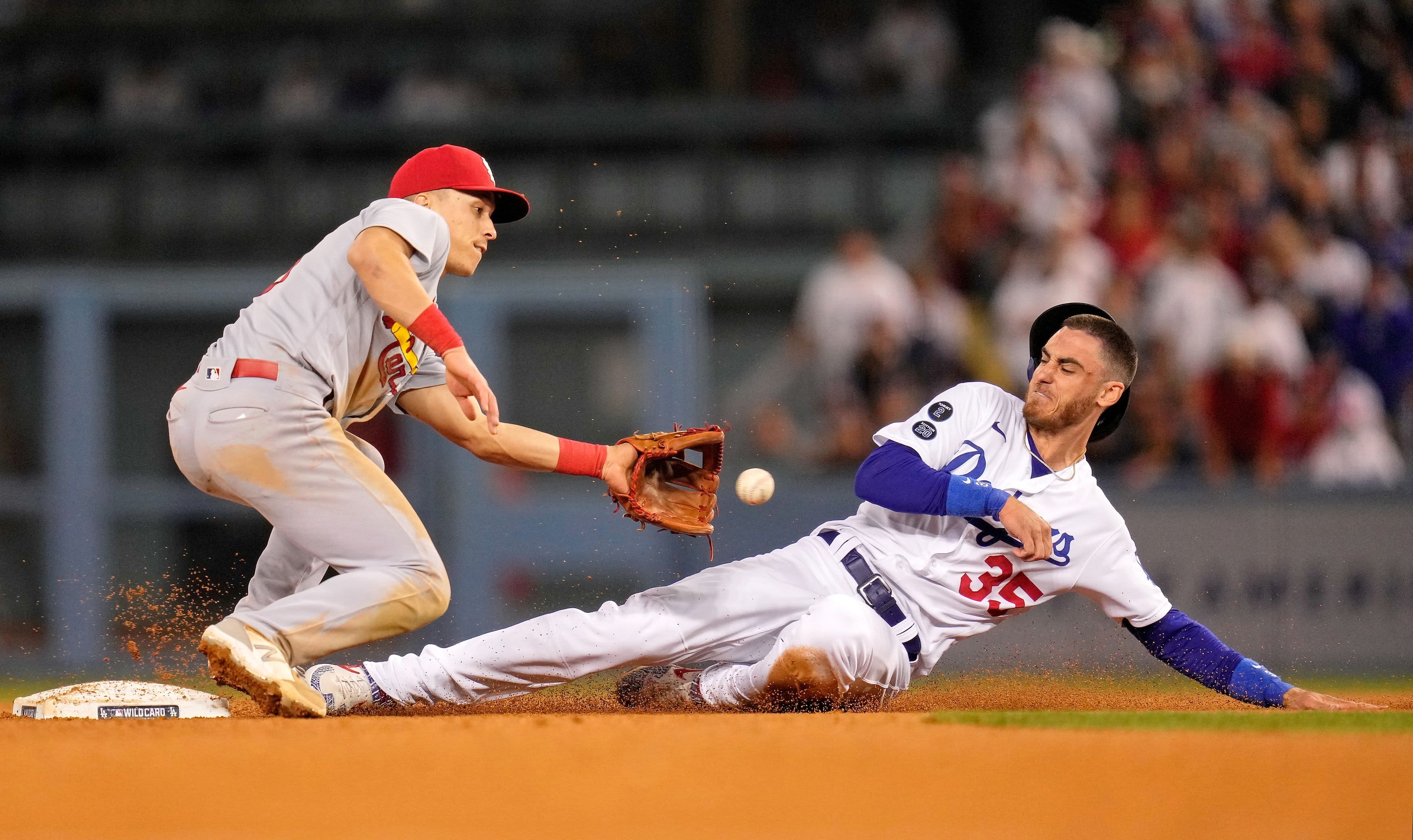 Photo Credit: CNBC
What Is the Difference Between a Salary Floor and a Salary Cap?
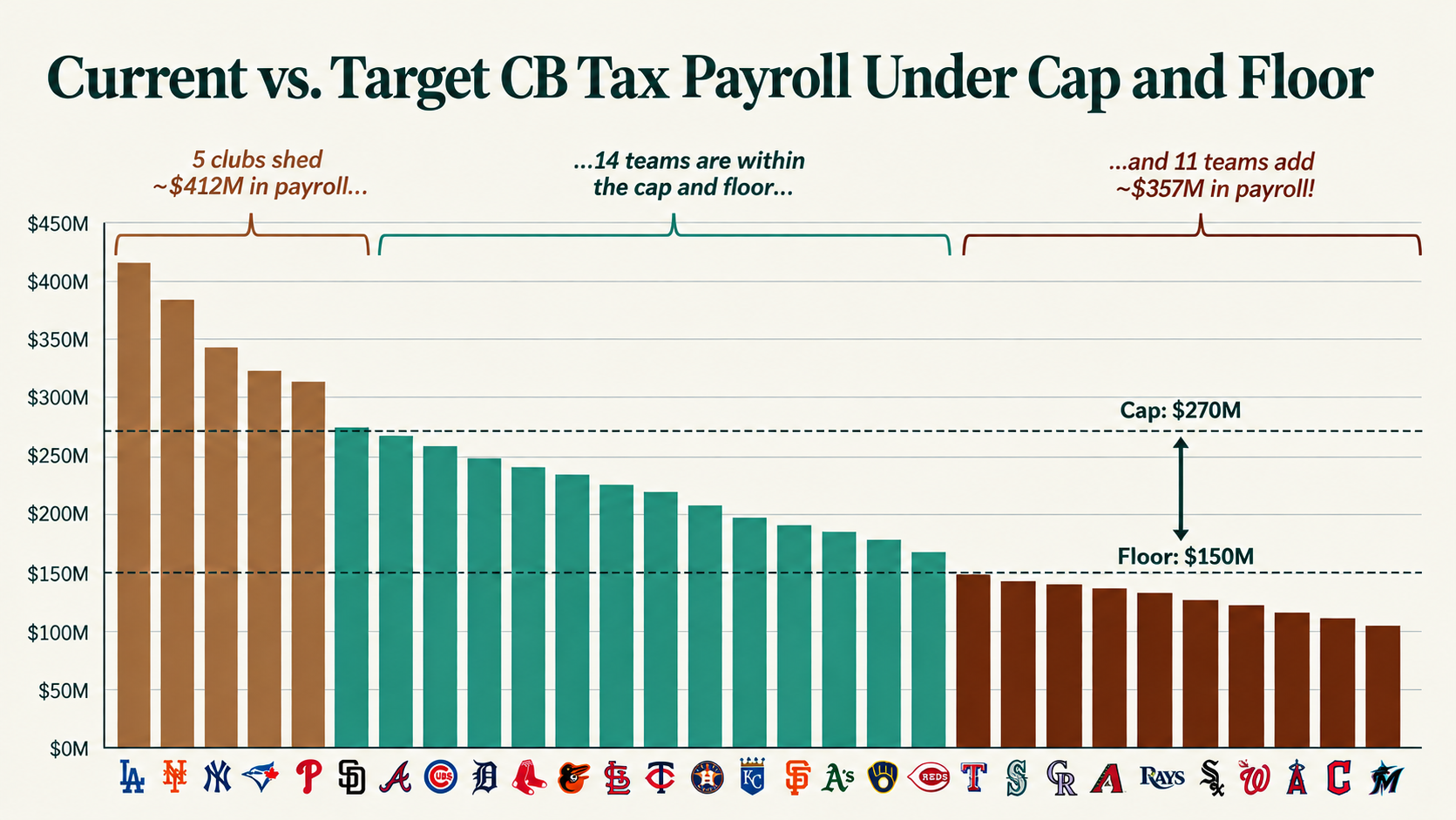
A salary cap sets a maximum on how much a team can spend on player salaries in a given season. A salary floor does the opposite, requiring every team to spend at least a minimum amount on its roster. The NFL, NBA, and NHL all operate with some version of these mechanisms, but MLB currently has neither. Instead, baseball relies on a competitive balance tax, often called the luxury tax, which charges teams a penalty when their payroll exceeds a set threshold. That tax discourages runaway spending, but it cannot stop teams willing to pay it, and it does nothing to push low spending teams to invest in their rosters.
Owners are now pushing for a cap and floor together, their first real attempt at a cap since 1994, when a similar proposal helped trigger the strike that cancelled that year's World Series. On its own, a floor is something players could likely accept, since it guarantees more money flows to rosters at the bottom of the league. The cap is the true sticking point. Players have never accepted one because it places a hard limit on their earning power, especially for stars who can command record contracts in an open market. Owners counter that pairing a cap with a floor would bring cost control and competitive balance, giving fans in every market a reason to believe their team has a real shot.
Subtitle How big is the payroll gap driving the salary cap debate?
The spending divide between baseball's richest and leanest teams is the engine behind the entire dispute. In 2025, the top five payrolls outspent the bottom five by nearly five times, reportedly the widest gap since at least 1985. The Dodgers alone spent more than the bottom six teams combined. Eleven teams opened the 2026 season above $200 million in payroll while eight opened below $100 million. Blockbuster moves like the Dodgers landing star pitcher Tarik Skubal have only sharpened the tension between big market and small market clubs.
Deferred contracts add another layer to the imbalance. Shohei Ohtani's record deal, which defers the vast majority of his salary until after the contract ends, showed how big spenders can push money into the future and soften their luxury tax hit. With no floor and no cap in place, nothing pulls the two ends of the league toward the middle, which is exactly what the owners' proposal aims to change. That said, spending does not guarantee rings, and the smaller market Brewers and Guardians both reached the playoffs last season. Owners see those teams as exceptions, while players point to them as proof that smart management can compete without a cap.

How Bad Could an MLB Lockout Get, and Whose Side Are Fans On?
The worst case scenario is genuinely on the table. Early to mid March 2027 is widely viewed as the drop dead date before regular season games start getting cancelled. Some owners are reportedly willing to lose the entire 2027 season to get the deal they want. One league insider went so far as to suggest that some owners do not expect a single game to be played next year. For a business valued at more than $13 billion, that is a staggering amount of momentum to put at risk.
Fan reaction is more surprising than many would expect. A large survey found that most fans actually side with owners on a salary cap, even though players are the ones who stand to lose paychecks. History offers a preview of how ugly things can get, since during the 2022 stoppage players were removed from MLB.com and many staged social media avatar protests in response. The loudest fan sentiment back then was that the fight was about greed rather than baseball. Public opinion runs hot during labor disputes, but it rarely moves what happens at the bargaining table.
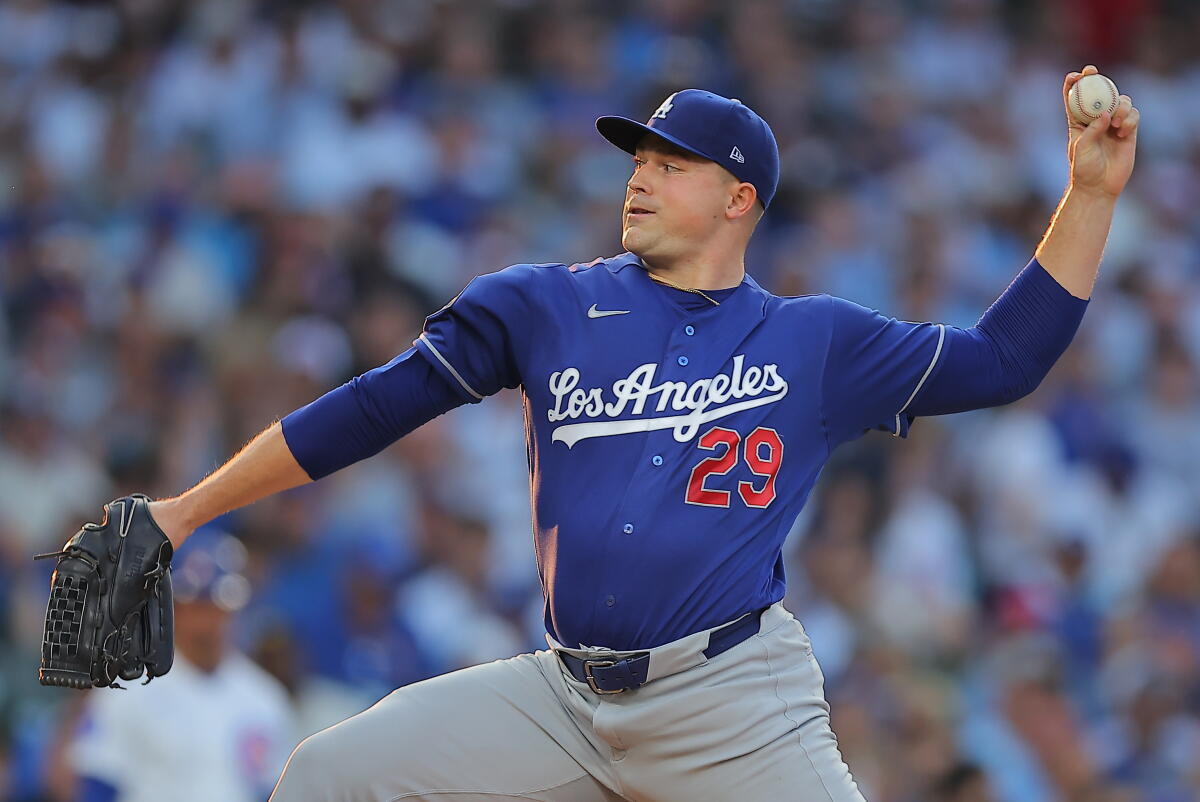 Photo Credit: LA Times
What Happens to Sponsorships and Brand Partnerships if Baseball Goes Quiet?
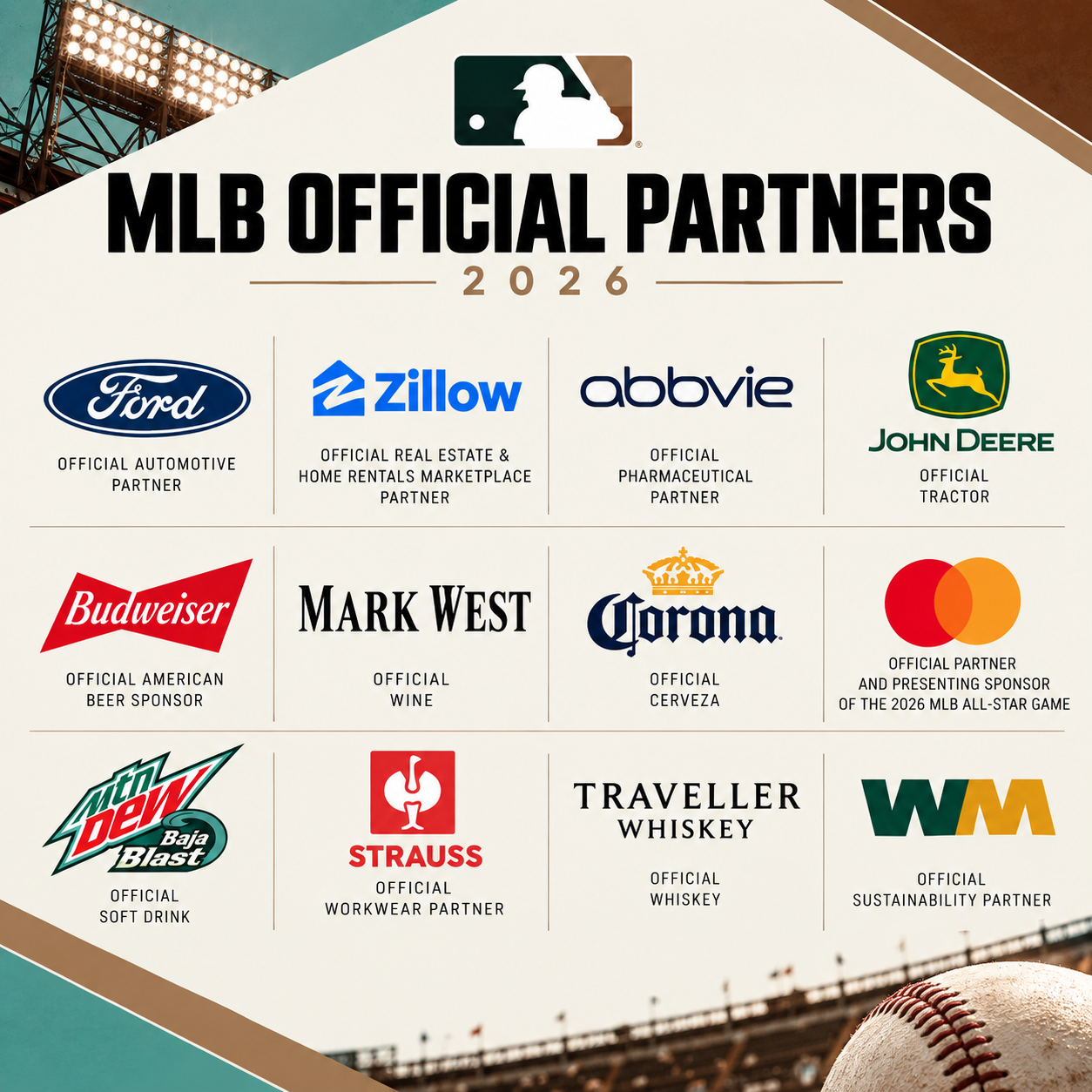
MLB is far more than a sports league. It is an industry supporting tens of thousands of jobs, from stadium and concession workers to broadcasters and production crews. The sport anchors the local economies of the 30 cities that host its teams, driving foot traffic to restaurants, bars, and retailers throughout the season. It is also one of the largest sponsorship and media platforms in the country, which means a lockout sends advertising, activations, and brand partnerships dark almost overnight. Brands with league, team, or stadium deals should be reviewing their agreements now with their legal teams to understand what happens to their rights and deliverables if games are lost.
A lost season also leaves a real cultural hole, because baseball is a summer long fixture of American life. When that fixture disappears, fan attention and spending do not vanish, they move elsewhere. Other sports, streaming releases, music tours, and creator content will all compete to fill the gap. For brands, that shift creates both risk and opportunity, since the marketers who plan ahead can redirect budgets toward the entertainment moments audiences turn to next. Hollywood Branded helps brands map those cultural moments so partnership strategies stay flexible when the sports calendar changes.
How Should Marketers Prepare Before December 1?
The looming MLB lockout is a fight over baseball's entire economic system, not just a dispute over raises. Owners want cost control and competitive balance through a salary cap and floor, while players want to protect the open market that has produced record contracts. With the CBA expiring December 1 and a March 2027 deadline looming, the 2027 season is far from guaranteed. For marketers, the smartest move is to treat that uncertainty as a planning variable rather than a distant headline.
Brands tied to baseball should audit their current partnerships, understand their contract protections, and build contingency plans for a delayed or cancelled season. Brands outside of baseball should watch where displaced fan attention goes, because a quiet summer at the ballpark could mean a louder summer everywhere else. The key takeaways are simple: know your exposure, plan your pivots, and be ready to show up where audiences land. The brands that prepare now will be the ones best positioned whether the first pitch arrives on time or not.
 Photo Credit: KCRA
Eager To Learn More?
If you want to stay ahead of the shifts reshaping sports and entertainment marketing, these reads from our team are a great next step.
- Women's Sports Are Booming: What Brands Need To Know Now
- Why Sponsorship Marketing Is Vital To Powerful Brand Marketing
- How Brands Can Activate At Sporting Events
- The Olympic Sponsorship Ladder: Entering the LA 2028 Marketing Game
- Flag Football's Olympic Debut: The Brand Opportunity Nobody Has Claimed
Want to stay in the know with all things pop culture? Look no further than our Hot in Hollywood newsletter! Each week, we compile a list of the most talked-about moments in the entertainment industry, all for you to enjoy!