Quick Answer
Netflix's 72 Hours taps into a real trend: Gen Z craves digital detox. See the data and what it means for entertainment marketers reaching this generation.
When a Netflix Comedy Gets the Cultural Trend Right
Netflix's new comedy 72 Hours drops Kevin Hart's aging ad executive, Joe, into a Gen Z bachelor party weekend he was never invited to, delivering the kind of broad, crowd-pleasing chaos Hart's fans tune in for. Underneath the culture clash jokes and the generational mix-ups, the movie is chasing something real.
Reviewers agree the film has a shaky grip on what Gen Z is actually like day to day, yet its central premise, a generation craving digital detox and real connection over endless screen time, is backed by a mountain of research. From flip phones to phone-free parties, young people are opting out of the always-on internet in numbers that should make every entertainment marketer take notice. In this article, Hollywood Branded discusses what 72 Hours gets right about Gen Z's offline era, what the data actually shows, and what it means for brands trying to reach this generation.
Inside 72 Hours: A Fresh Spin on the Generational Comedy
72 Hours, directed by Tim Story and streaming on Netflix, follows Joe (Kevin Hart), a middle-aged ad executive who gets accidentally added to a group chat and finds himself crashing a bachelor party weekend built for a much younger crowd. The ensemble includes Marcello Hernandez, Mason Gooding, Teyana Taylor, Michael Mando, Zach Cherry, and a handful of current SNL cast members, all playing the Gen Z friend group Joe is desperately trying to keep up with. The setup practically writes itself: a man who peaked in relevance a decade ago, dropped into 72 hours of chaos designed by and for a generation he barely understands. It is a classic fish out of water premise, but instead of a foreign country or a new job, the culture shock comes from an age gap and a phone screen. That framing alone tells you something about how deeply the generational divide, and the role technology plays in it, has worked its way into mainstream comedy. Even the film's marketing leans into that tension, selling itself as "Kevin Hart crashes Gen Z chaos" rather than a straightforward buddy comedy.
Critics have had a range of reactions to the film, which is typical for a broad studio comedy built around a big star. Some pointed out playful inconsistencies, like a scene where the Gen Z characters reference the decidedly millennial Eat, Pray, Love, while others highlighted the chemistry between Hart and the supporting cast, including SNL standouts Marcello Hernandez, Ben Marshall, and Kam Patterson, who bring their own energy to the ensemble. What most reviews agree on is that the underlying idea holds up well: an older generation and a younger one are often talking past each other, in part because one side is buried in a phone and the other is trying to be present. That dynamic is not just a punchline. It is a real cultural moment that marketers, not just screenwriters, are being asked to understand.
 Photo Credit: Netflix
The Data Doesn't Lie: Gen Z Is Burned Out on Screens
While 72 Hours plays the generational divide for laughs, the numbers behind it are no joke. A 2025 YouGov survey found that 47 percent of Americans under 30 are actively trying to reduce their screen time, compared to just 32 percent of older Americans. Separate research shows that 84 percent of Gen Z find the idea of a digital detox appealing, and 63 percent say they have already made intentional changes to cut back for the sake of their own wellbeing. Nearly 44 percent of teens report they have already reduced their usage in some form, and 61 percent of users say they have become more selective about what they even post to their main social accounts in the first place. That is not a fringe sentiment. It is a majority of an entire generation actively pushing back against the devices they grew up with, which is exactly the kind of cultural undercurrent a movie like 72 Hours is tapping into.
The reasons behind that pushback are well documented. The average human attention span has dropped to roughly 47 seconds, down from about two and a half minutes in 2004, and teens still average 4.8 hours a day on social platforms even as they say they want out. The U.S. Surgeon General has linked three or more hours of daily social media use to roughly double the risk of depression and anxiety in teens, and depression rates among adults under 30 more than doubled between late 2017 and early 2026. More than half of U.S. adults have reported signs of loneliness in recent surveys, a statistic that cuts directly against the idea that constant connectivity equals connection. Put simply, Gen Z is not rejecting technology out of nostalgia or novelty. They are responding to a measurable toll, and they are doing something about it.
 Photo Credit: Forbes
From Flip Phones to Phone-Free Parties: How Gen Z Is Actually Unplugging
The offline movement is not just a survey answer; it is showing up in how Gen Z spends money and time. Roughly 39 percent of Gen Z smartphone owners say they would consider switching to a flip phone, and the disposable camera market has grown into a business worth more than a billion dollars as young people trade filters for film. Jigsaw puzzles are projected to grow from a 2.23 billion dollar market in 2025 to 3.36 billion by 2034, yarn and knitting accessory sales are up 40 percent year over year, and searches for offline hobbies have climbed 136 percent in the past six months alone. These are not isolated hobbies. They are signals of a generation actively rebuilding a relationship with boredom, focus, and things they can hold in their hands, rather than another feed to refresh. Even burnout itself has become a shared talking point rather than a private struggle, with social media overload consistently ranking as one of the top drivers people name when asked what is wearing them down.
The shift is showing up socially too. Phone-free bars, restaurants, and event spaces are expanding across the country, and Yondr pouches, the lockable phone cases originally built for concerts, are now standard at schools, weddings, proms, and wellness retreats. The Offline Club, founded in Amsterdam in 2021, now runs phone-free meetups in 19 cities and has built an audience of nearly 600,000 followers on, of all places, Instagram. Youth-led nonprofits like HalfTheStory are funding student-organized phone-free events in more than 500 school districts across 46 states and 10 countries, including grants for things like camera-based scavenger hunts. Gen Z is not waiting for brands or institutions to build these spaces for them. They are building the spaces themselves, one unplugged event at a time, and doing it with the same organizational energy they usually reserve for their online communities.
 Photo credit: CNN

What the Offline Movement Means for Entertainment Marketers
For brands built around attention, screens, and scroll-stopping content, this trend is not a threat; it is an opening. Gen Z is not opting out of connection; they are opting out of noise, and that distinction matters enormously for how entertainment marketers should approach this audience. Campaigns that lean into experiential, in-person activations- think phone-free premieres, analog photo booths, or pop-up events built around a show or film rather than just its hashtag- are positioned to earn real attention instead of a passive scroll past. Product placement and brand integrations within the very shows and movies Gen Z watches together, often in shared physical spaces, carry more weight than another paid social ad competing for a shrinking attention span. Even 72 Hours itself is a reminder that entertainment still gets consumed collectively, in dorm rooms and living rooms, which is exactly where an offline-minded generation wants to be. Marketers who treat a film's opening weekend as an excuse for a watch party, a themed pop-up, or a phone-free screening event stand to earn more genuine engagement than a paid social push ever could, simply because they are building around togetherness instead of competing with it.
Authenticity is doing a lot of work in this shift as well. Gen Z responds far more to micro and mid-tier creators who already live an intentional, less plugged-in lifestyle than to polished campaigns that feel like just more content to scroll past. Brands that partner with talent and creators who genuinely embody this offline ethos, rather than simply slapping a wellness message on an ad, are the ones building trust with this audience. The takeaway for marketers is straightforward: meet Gen Z in the spaces they are already choosing, from phone-free events to nostalgia-driven products like disposable cameras and puzzles, and let the message be about presence rather than pressure to stay online.
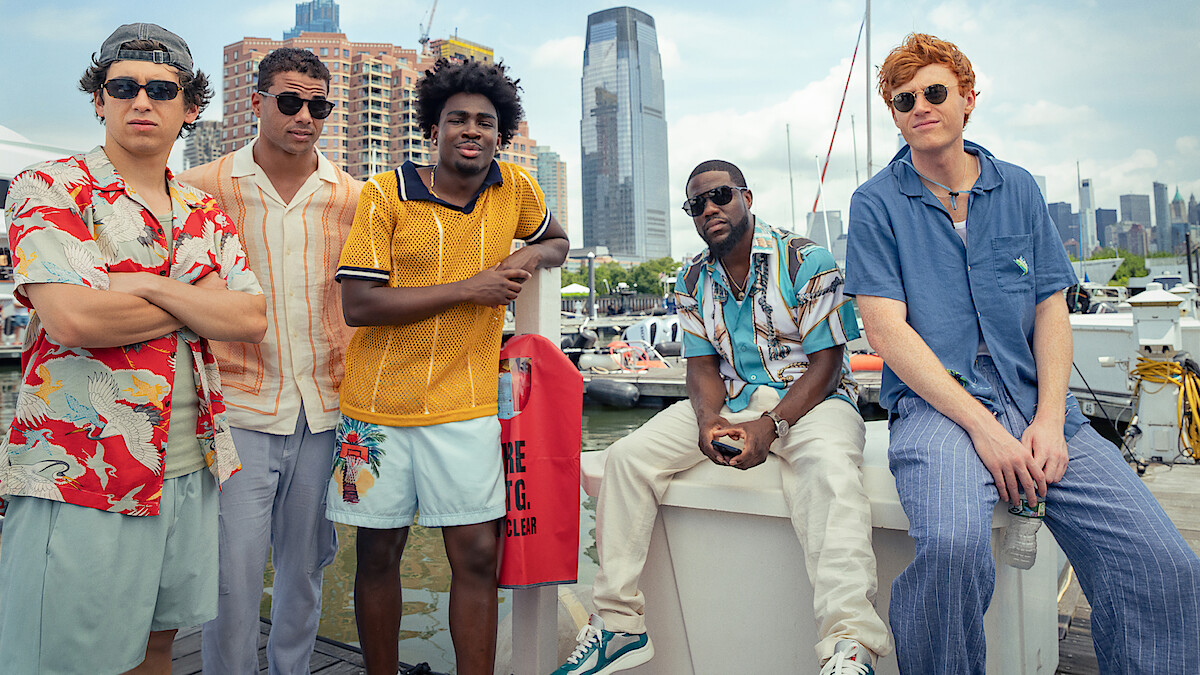
Photo Credit: Netflix
The Takeaway: Meet Gen Z Where They Actually Want to Be
72 Hours leans on big laughs and a big star to tell its story, but its central premise lands because the cultural shift it is riffing on is real and measurable. Gen Z is not anti-technology; they are anti-burnout, and they are actively building a life that includes flip phones, phone-free parties, disposable cameras, and real conversation alongside their apps, not instead of some imagined tech-free purity.
For entertainment marketers, the lesson is bigger than one mediocre comedy. Reaching Gen Z increasingly means showing up in physical spaces, partnering with talent who live this trend rather than perform it, and building campaigns around presence instead of pure impressions. The brands that treat the offline movement as a genuine cultural shift, not a passing aesthetic, will be the ones this generation actually trusts, whether that trust is built on a movie screen, at a phone-free event, or somewhere in between. It is worth remembering that Gen Z is not asking brands to disappear from their lives; they are asking for a better reason to look up from their phones, and the marketers who provide that reason first will have this audience's attention long after the next feed refresh.
Eager To Learn More?
Ready to dig deeper into how Gen Z is reshaping brand strategy? Check out these related reads from Hollywood Branded.
- How Did Alex Cooper Build a Media Empire From One Podcast
- How Big Will Grand Theft Auto 6 Really Be?
- The Death of Physical Media: What It Means for Marketers
- reality tv - being inside the editing room
- The Marketing Genius of Lisa Vanderpump
Want to stay in the know with all things pop culture? Look no further than our Hot in Hollywood newsletter! Each week, we compile a list of the most talked-about moments in the entertainment industry, all for you to enjoy!