Quick Answer
Creator vs. celebrity partnerships: see how timing, budget, bandwidth, and KPIs help brands choose the right talent partner for influencer marketing.
Should Your Brand Partner With a Creator or a Celebrity?
Creator partnerships usually win when a brand needs speed, content volume, and sales it can track, while celebrity partnerships win when a brand needs mass awareness, a splashy launch, or a shift in national perception. The right fit comes down to four things: timing, budget, internal bandwidth, and your KPI.
I negotiate both kinds of deals, and the question I hear most from brand marketers is which one is actually worth the money. The answer is rarely about who has the bigger following and almost always about what you need the partnership to do. In this article, Hollywood Branded shares how creator partnerships and celebrity partnerships really differ, when each one makes sense, and how to choose the right fit for your brand.
What's the Real Difference Between Creator and Celebrity Partnerships?
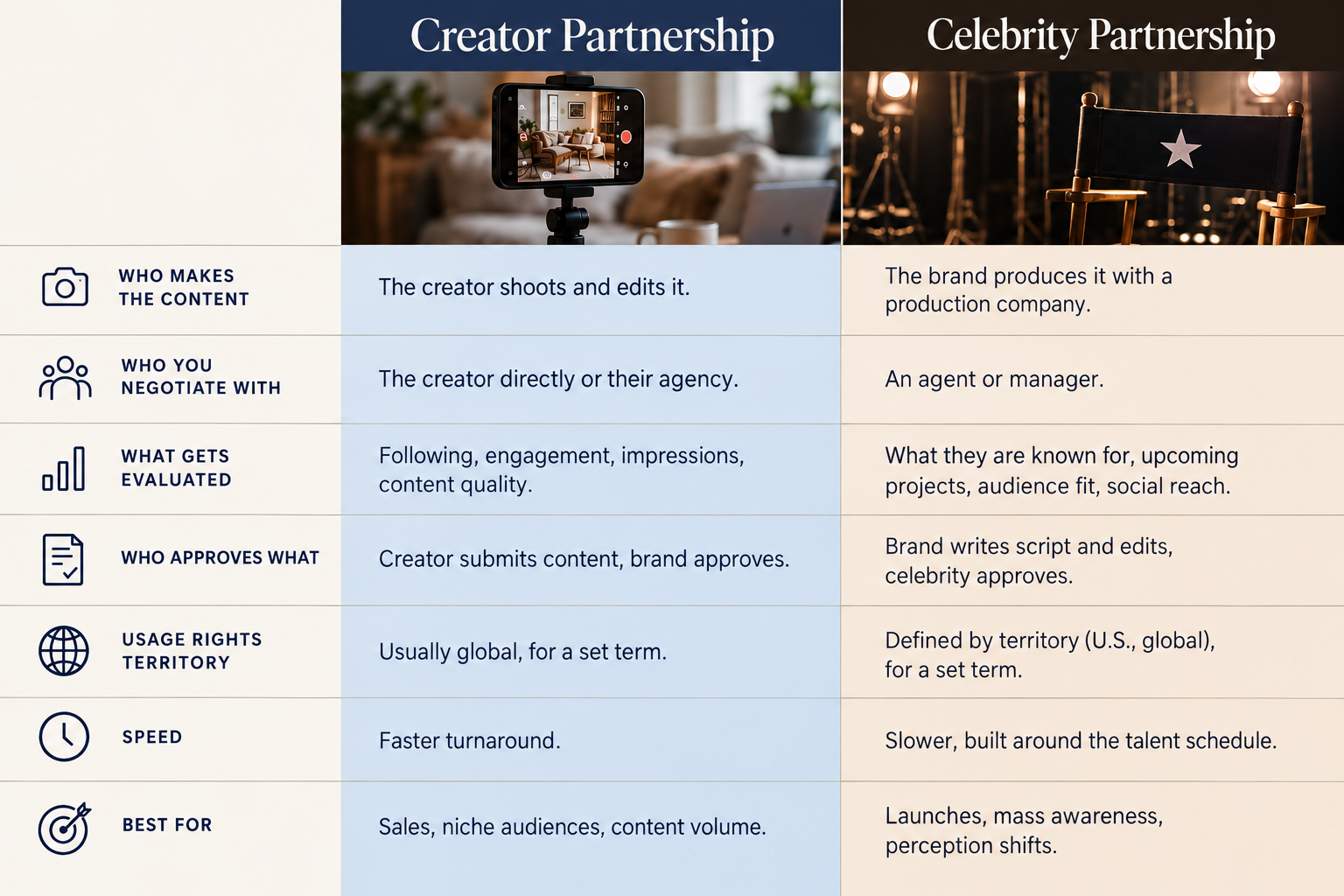
A creator partnership is a paid collaboration where a social media creator, often called an influencer, makes and posts content featuring your brand for their own audience. A celebrity partnership is a paid deal with a famous talent, usually an actor, musician, or athlete, who lends their name and likeness to a campaign the brand produces. When I evaluate a creator, I focus heavily on their social analytics: following, engagement rate, estimated campaign impressions, and the quality of the content they make. That last one matters a lot, because with a creator, the content itself is part of what you are paying for, period. With a celebrity, social analytics are good to know and absolutely factor into the deal, but they are not everything. I am looking at what they are known for, what projects they have coming up, and whether the brand could tie into some of that upcoming work.
How the deal gets built is different too. Celebrity deals almost always run through an agency or a manager, and it is very rare to speak with the celebrity directly during negotiations. Creator deals can go either way, since smaller creators often represent themselves and bigger creators usually work through an agency, though even the bigger ones tend to join the conversation directly at some point. Celebrities also need a produced shoot day(s), because it is incredibly rare for a celebrity to film branded content on their own iPhone. That means the brand hires a production company to shoot and cut the content, and that cost has to be weighed right alongside the talent fee.
How Do Creator and Celebrity Partnerships Compare at a Glance?
When Does a Celebrity Partnership Make the Most Sense?
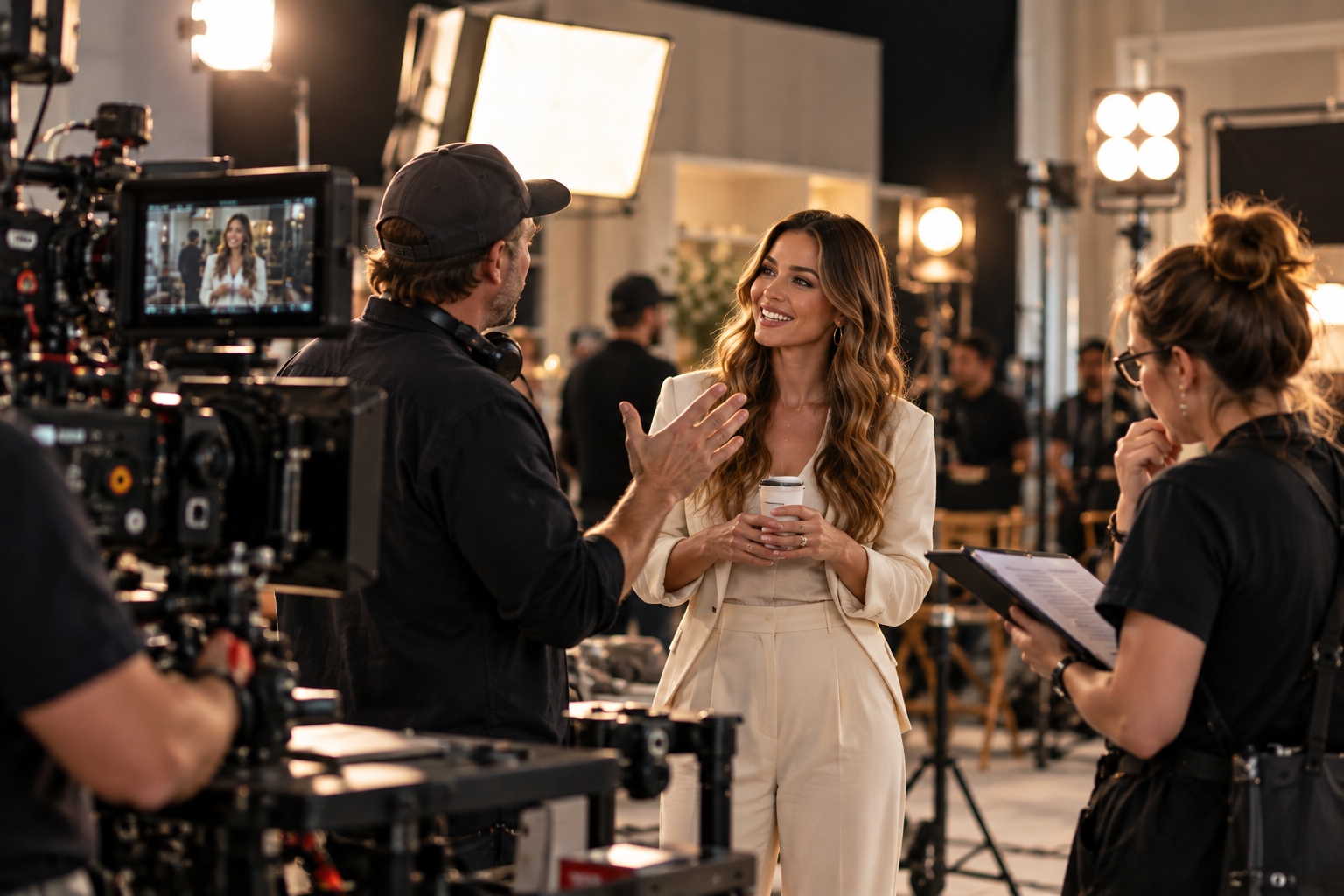
A celebrity partnership makes the most sense when a brand needs something splashy, like a major product launch, a national campaign, or a real shift in how the public sees the brand. We typically see bigger celebrity names on global commercial campaigns, especially when the goal is to change national opinion rather than drive a quick sale. A famous face also brings instant credibility, earned media potential, and a strong story for retail buyers. Budget is usually the first filter, because a celebrity is going to cost more than a creator. And it’s not just the talent fee, since the brand also absorbs production costs, creative costs, and the cost of building every asset the talent appears in.
Celebrity campaigns also tend to produce more assets, like a 30-second spot plus billboards and in-store displays featuring the talent. Creators can absolutely play in that space too. We've negotiated usage rights that put one of our creator partners on a retail end cap, and we currently have a creator starring in a national commercial. It's just less common than it is with celebrities. With a celebrity, the talent is typically contracted to appear across all of those assets, and it is on the brand to build them. The approval process is also reversed, because the brand a script the celebrity approves, shoots the content, and then sends the finished edit back for the celebrity to approve again. Timelines bend around the talent schedule as well, since shoot days have to fit between filming, press tours, and other commitments.
When Do Creator Partnerships Deliver More Value?
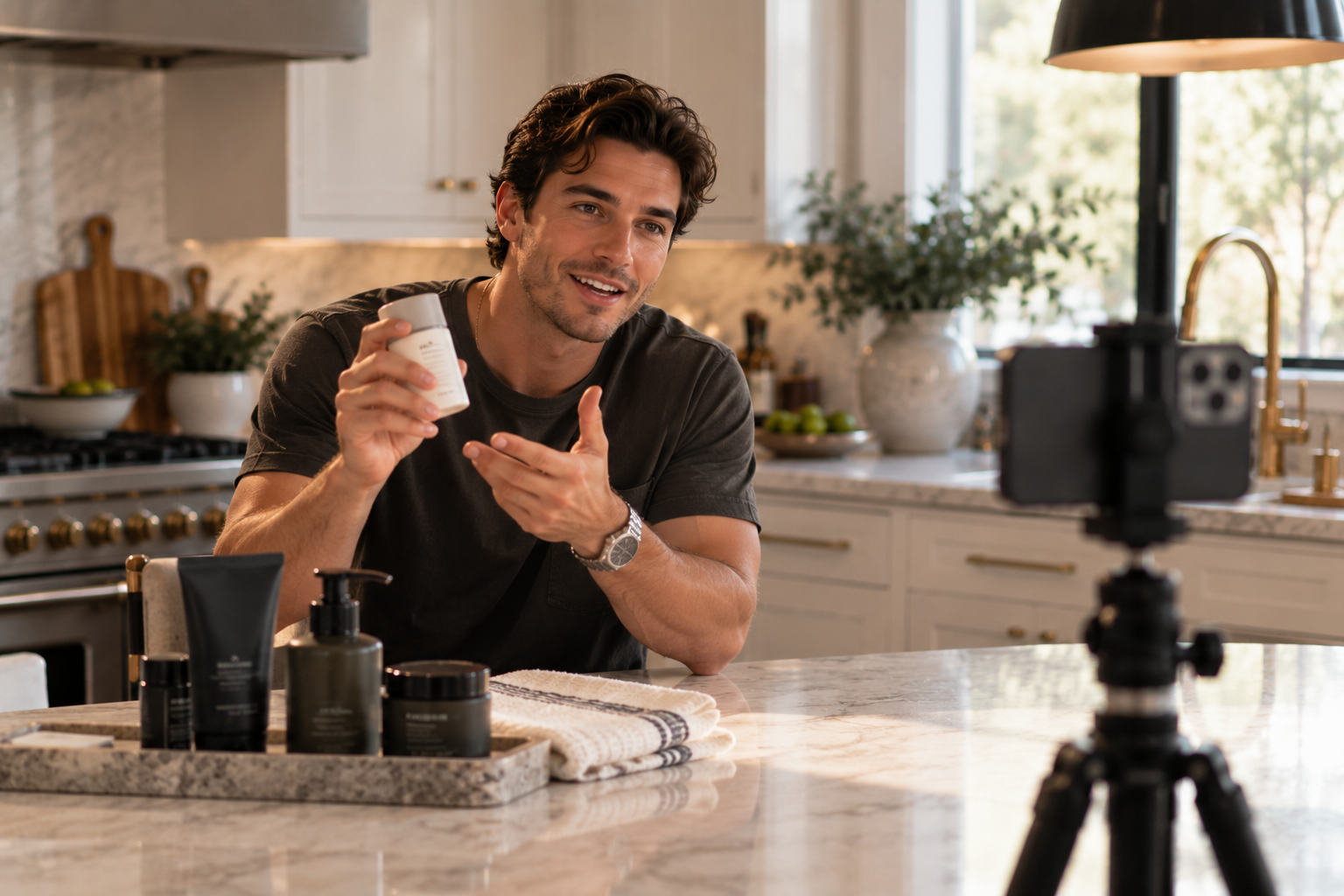
Creator partnerships deliver more value when a brand wants to show up inside a real lifestyle, reach a specific niche audience, and drive sales it can track. Creators are called influencers for a reason, because people follow them to see what they are doing, what they are buying, and how they live. When your brand shows up in that content, the audience sees your product in an exact, real use case instead of a staged ad. That is incredibly hard to replicate with a produced commercial. It is also why creators are so strong with niche audiences, whether that is teachers, gamers, new parents, or home cooks.
The practical advantages add up quickly. Creators move fast, and because they shoot and edit the content themselves, the brand does not have to build a production. You often get more deliverables for the fee, which means more content to test and run across channels. When a creator has a strong following and healthy engagement, a link in their post can drive real clicks and real sales. The approval flow is simpler too, since the creator makes the content, the brand reviews it against the agreed talking points, and then it goes live.

Why Do Usage Rights and Whitelisting Matter So Much?
Usage rights are the permissions that let a brand reuse a partner's content, and whitelisting is a type of usage that lets the brand run paid ads through the creator's own social handle. For both creator and celebrity deals, we push for usage rights that allow paid media behind the content, because that is increasingly the make or break of a creator campaign.
The market is getting crowded: IAB estimates U.S. creator ad spend reached $37 billion in 2025 and expects it to hit $44 billion in 2026, growing nearly four times faster than the overall media industry. Nearly half of buyers (48%) now call creators a "must buy," and those same buyers name measurement as the biggest area for improvement.
Targeted paid media behind creator content cuts through that noise, and it gives our clients a clear way to analyze campaign performance. Usage rights work similarly for both partner types, covering a set term that can usually be extended for an additional, smaller fee. The main difference is territory, because creator usage is typically global while celebrity usage is spelled out by region, such as U.S. only or worldwide.
How Should Brands Choose, or Combine, the Two?
Brands should choose between a creator and a celebrity by answering four questions about timing, budget, internal bandwidth, and KPIs. These are the same filters I walk clients through before recommending a direction, and the answers usually point clearly one way.
What Four Questions Should You Ask Before Choosing a Creator or Celebrity?
- Timing: How quickly does this need to go live? Creators can turn content around fast, while celebrity campaigns need time for scripting, scheduling, and production.
- Budget: What dollars are available, all in? A celebrity budget has to cover talent, production, creative, and media, not just the fee.
- Internal bandwidth: Who is going to build the campaign? Once a celebrity is secured, it is on the brand or its agency to bring the campaign to life.
- KPI: Is the goal top of funnel awareness or sales? Creators are usually the faster route to measurable sales, while celebrities are stronger for awareness, perception shifts, and long-term global campaigns.
That does not mean celebrities cannot sell or creators cannot build awareness. A celebrity can drive immediate sales with enough media behind a launch, and a roster of creators can build serious reach at scale. Many brands get the best of both by pairing a celebrity to spark the big moment with creators who keep the conversation going in their own communities. Whichever route you take, protect the brand with a morals clause, which lets either party pause or end the deal if the other side's conduct causes reputational harm.
We have seen talent at every level, from creators to household names, make mistakes, so this protection belongs in every agreement and covers the brand and the talent alike. At Hollywood Branded, we help brands weigh these tradeoffs, identify the right talent, and negotiate terms like usage rights so the content works harder.
What Should Marketers Take Away From the Creator vs. Celebrity Debate?
The smartest brands do not choose between creators and celebrities based on follower counts or star power alone. They start with what the partnership needs to do, then pick the partner built to do it. Creators deliver authenticity, speed, volume, and trackable sales, while celebrities deliver scale, credibility, and the power to change how people see a brand. Both need clear usage rights, a solid morals clause, and a realistic view of the total cost, not just the talent fee. Get those fundamentals right, and either path can pay off for your brand.
What Are the Key Takeaways?
- Choose creators for speed, niche audiences, content volume, and measurable sales.
- Choose celebrities for big launches, national campaigns, and shifting brand perception.
- Budget for the full cost of a celebrity: talent, production, creative, and media.
- Negotiate usage rights with paid media and whitelisting in mind, for both creators and celebrities.
- Include a morals clause in every talent agreement, creator or celebrity.
Eager To Learn More?
If you are weighing your next talent partnership, these Hollywood Branded reads go deeper on influencer pricing, whitelisting, and celebrity endorsements.
- Why Brands Are Choosing Influencers Over Celebrities
- Influencer And Celebrity Endorsements 101
- Influencer Pricing 2.0: A Brand's Guide To Analytics-Driven Creator Rates in 2026
- Celebrity Endorsement Deals Gone Wrong: When Brands Cross The Lins
- Why You Should Consider Whitelisting
Want to stay in the know with all things pop culture? Look no further than our Hot in Hollywood newsletter! Each week, we compile a list of the most talked-about moments in the entertainment industry, all for you to enjoy!