Quick Answer
See how horror films like Saw X, Smile and Longlegs use fear-driven marketing to go viral, and what brands can learn from their campaigns.
The Scary Strategy
Creepy marketing isn’t just for scares - it’s a strategy. And these horror campaigns didn’t just haunt audiences - they hooked them.
The best ones turn fear into curiosity, making people lean in instead of look away, and that pull is what drives talk value, shares, and repeat engagement. When a brand lets audiences step inside the story through immersive, real-world moments, the fright becomes a shared experience people want to film, post, and talk about. In this article, Hollywood Branded explores horror films and viral marketing, and why spooky works so well in experiential campaigns.
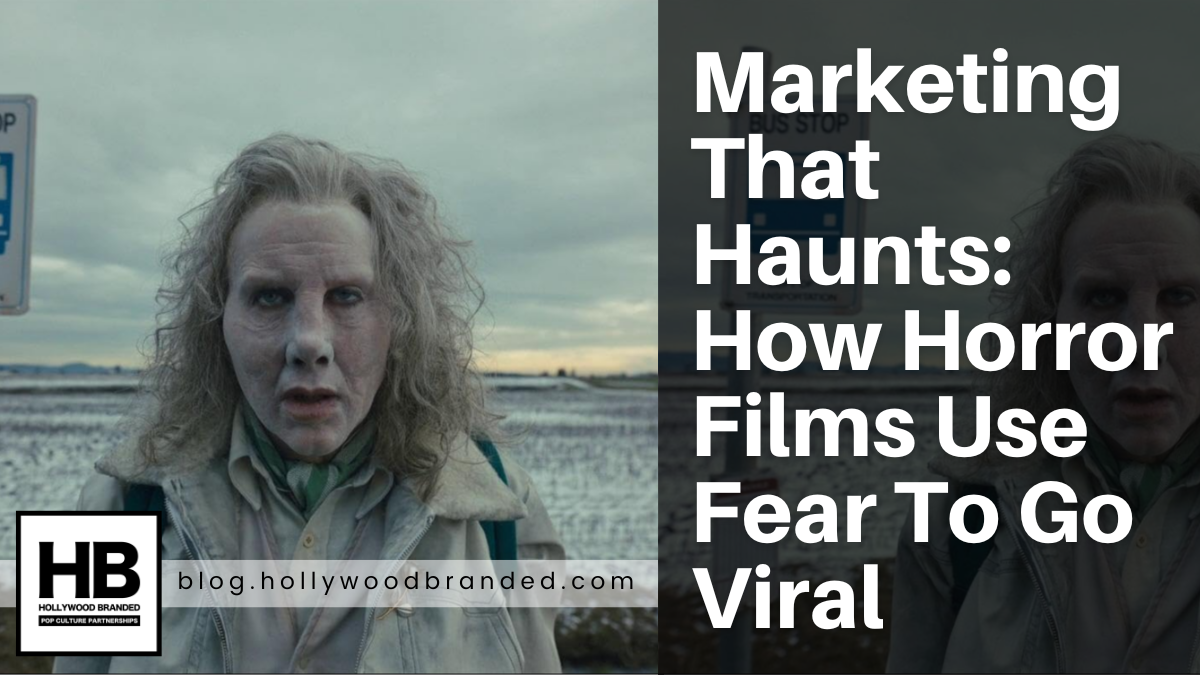
Photo Credit: Famous Monsters
Why Does Fear Sell So Well In Movie Marketing?
No genre markets itself quite like horror. It doesn’t just dominate the box office - it dominates the marketing space, too. Horror leans into the unexpected, the visceral, and the immersive, with a fanbase that wants to be scared, surprised, and drawn into the experience.
From creepy phone calls to live street stunts, the best horror campaigns don’t feel like ads - they feel like events. They break through the noise using shock, curiosity, and storytelling that blurs the line between fiction and reality. The scariest part? It works. These campaigns don’t just promote films - they become pop culture moments, and the fear becomes part of the sell.
Below, we unpack four spine-tingling campaigns that nailed the formula - and explain how your next spooky project can, too.
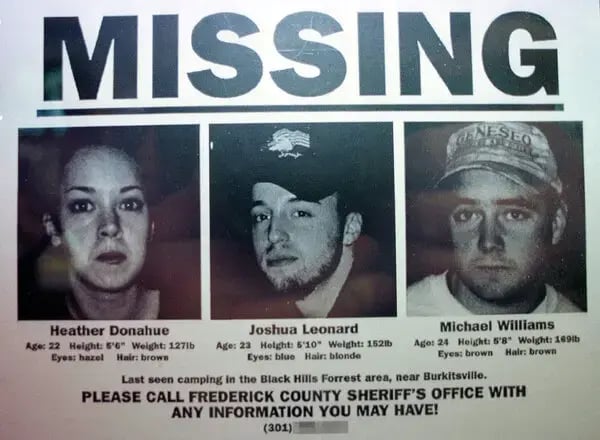
Photo Credit: The NY Times
How Did Saw X Hijack AMC's Pre-Show?
In a brilliantly eerie twist, Lionsgate partnered with AMC Theatres to spoof their now-famous Nicole Kidman safety video - but this time, it was all about Jigsaw. The chilling reimagining replaced the usual soothing voice with Billy the Puppet’s sinister warnings, blending the franchise’s grim aesthetic with AMC’s corporate familiarity.
This wasn’t just clever fan service - it was disruptive placement. It caught audiences off guard right when they were most relaxed and unsuspecting. More importantly, it didn’t require a traditional trailer to make an impact. Viewers took to social media to share the weird and wonderful moment they were greeted by a horror icon in a place they least expected: the safety video before the previews even started.
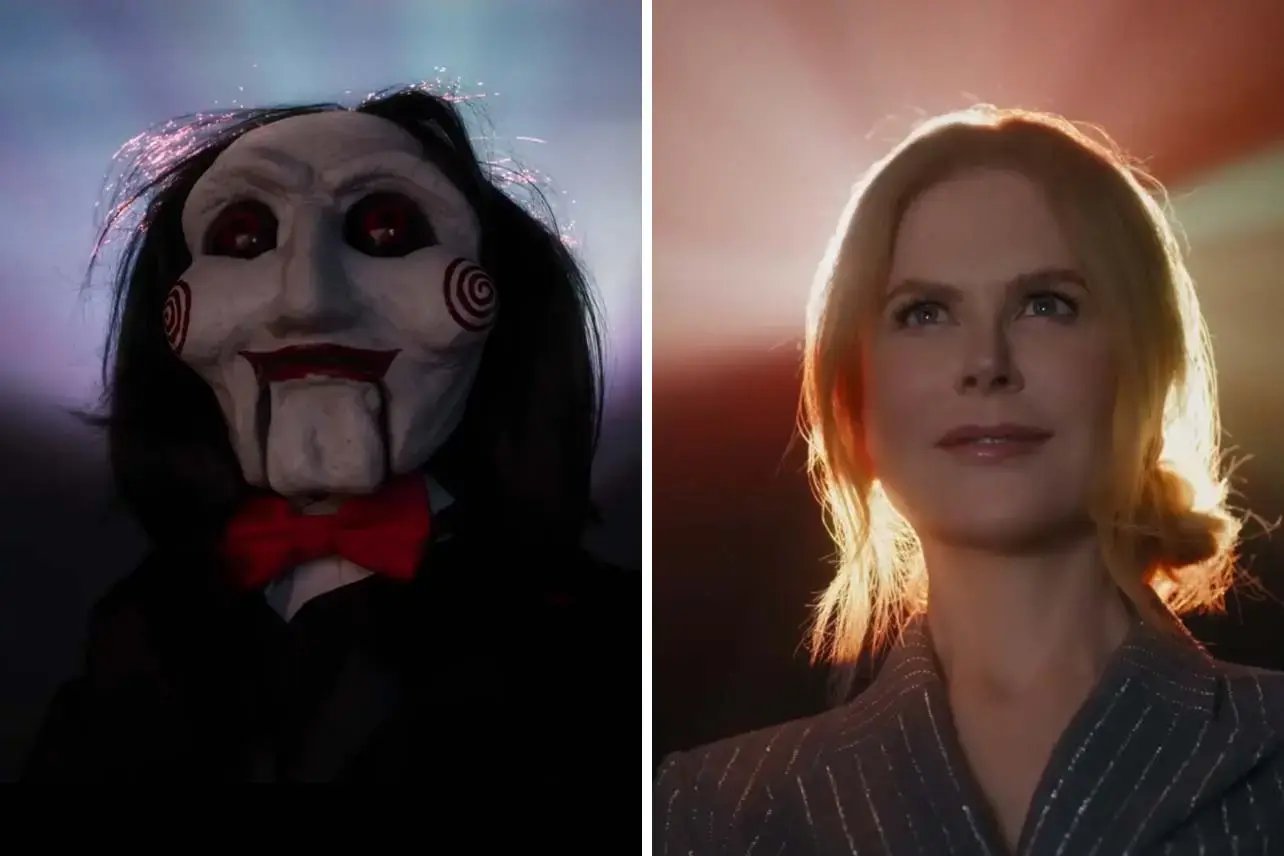 Photo Credit: Decider
Takeaway: By inserting itself into an already recognizable theater ritual, Saw X made the theatergoing experience part of the horror narrative.
How Did The Blair Witch Project Make Fiction Feel Real?
This one set the blueprint. Long before TikTok theories and Reddit ARGs, The Blair Witch Project faked a reality. At Sundance, the distributors handed out “missing” posters featuring the actors. A faux police blotter appeared online. Fake interviews circulated, and viewers were left wondering: was this found footage... actually found?
The campaign tapped into early internet culture’s ambiguity - just enough online noise to feel real, but not enough transparency to debunk it. It sparked discussion, curiosity, and conspiracy theories. Most of all, it made audiences feel like they were discovering something dangerous or secret.
Takeaway: With a shoestring budget, the filmmakers created buzz by leaning into mystery - and letting the audience do the rest.
How Did Smile Turn Public Stunts Into Scares?
In the lead-up to its release, Smile used real-world scares to generate viral attention. Paid actors appeared at public events - like baseball games or subway stations - wearing eerie, unblinking grins reminiscent of the film's cursed characters. They said nothing. They just… stared.
Social media lit up with confused and terrified reactions. Videos went viral within hours. People didn’t even need to know the movie’s name - just the image of that haunting smile was enough to make them curious.
The grin was so effective that Paramount brought it back for Smile 2 (2024), which earned about $138 million worldwide on a $28 million production budget, according to The Numbers.
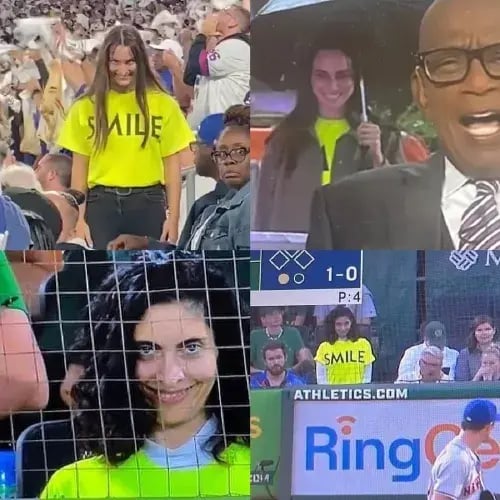 Photo Credit: Clio Awards
Takeaway: Smile turned urban spaces into horror stages, letting the public become the audience and the marketing channel.
How Did Longlegs Build Buzz Without Showing Its Star?
With Longlegs, subtlety replaced spectacle. Instead of trailers or posters, early buzz came from cryptic clues, coded messages, and eerie phone calls tied to the film's killer, often without even naming the movie.
The campaign unfolded like a digital scavenger hunt, with horror-loving Gen Z users sharing theories and decoding clues on forums and TikTok. The minimalist rollout created a sense of intimacy and dread, generating buzz while revealing almost nothing about the film.
It paid off. Longlegs opened to $22 million in North America in July 2024, passed $100 million worldwide, and became Neon's highest-grossing film ever, according to TheWrap.
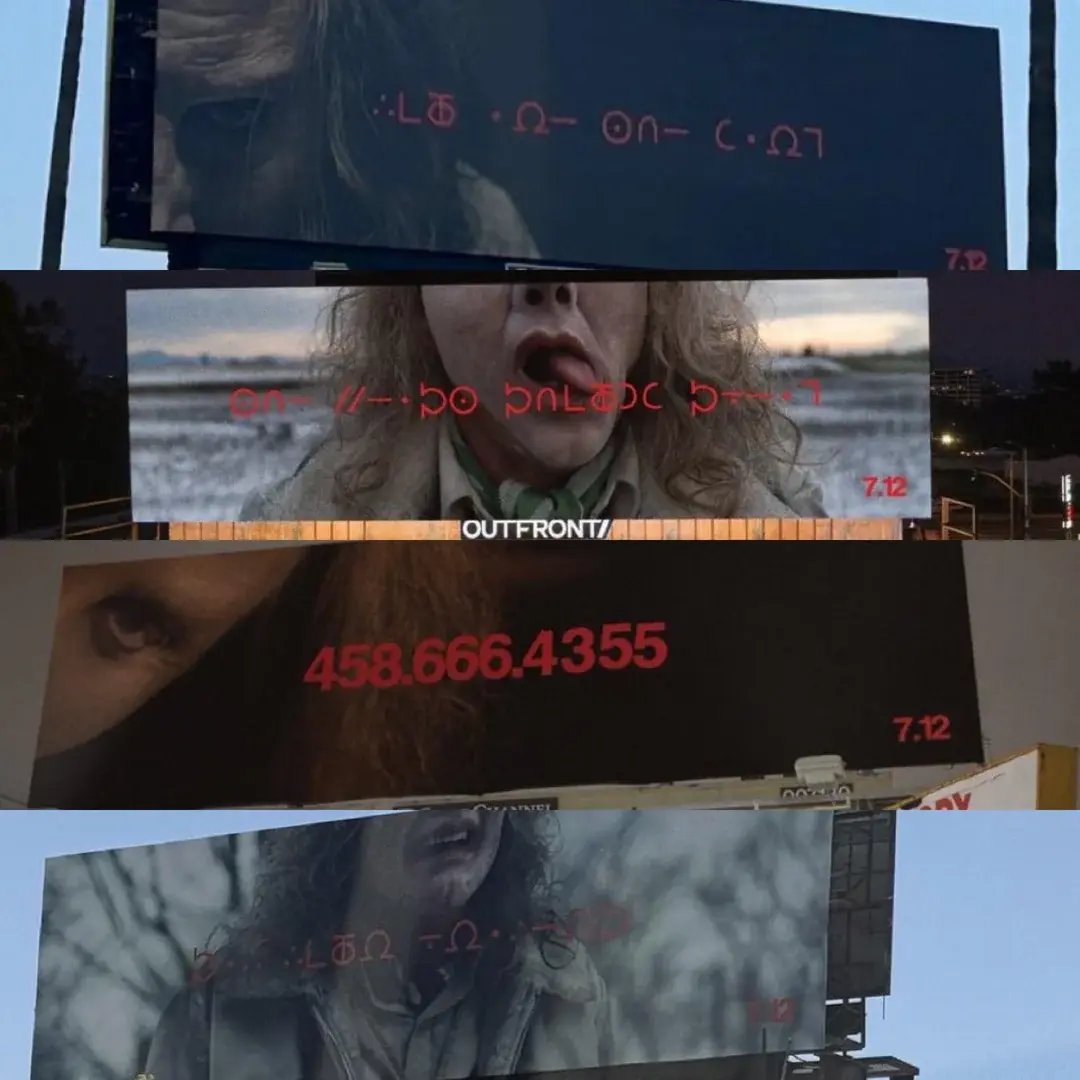
Photo Credit: Reddit
Takeaway: In a world oversaturated with trailers, Longlegs stood out by embracing minimalism, mystery, and fan participation.
Why Do Experiential Horror Campaigns Work?
Immersion & Shock Value
Horror marketing excels when it doesn’t feel like marketing. When fans feel like they’re living in the story - whether through a subway scare or a mysterious voicemail - they become active participants in the narrative. That level of immersion sticks with them long after the campaign ends.
Memorable Product Integration
The Saw X spoof of AMC’s safety video proves you can take a format as mundane as pre-show protocol and turn it into unforgettable branded content. When the medium is unexpected, the message lands harder.
Built-In Virality
Horror thrives on shareability. Fans love to show off what scares them. Experiential horror campaigns often generate organic buzz and UGC (user-generated content), making every interaction a potential social media moment.
What Can Brands Learn From Horror Marketing?
The best horror marketing doesn’t just advertise a film - it infects the culture. These campaigns work because they push boundaries, unsettle expectations, and invite people into an eerie world they can’t shake off.
For brands, this means opportunity. Whether you're partnering with a horror title or just tapping into spooky season vibes, think beyond the banner ad. What scares people also spreads like wildfire - if you know how to harness it.
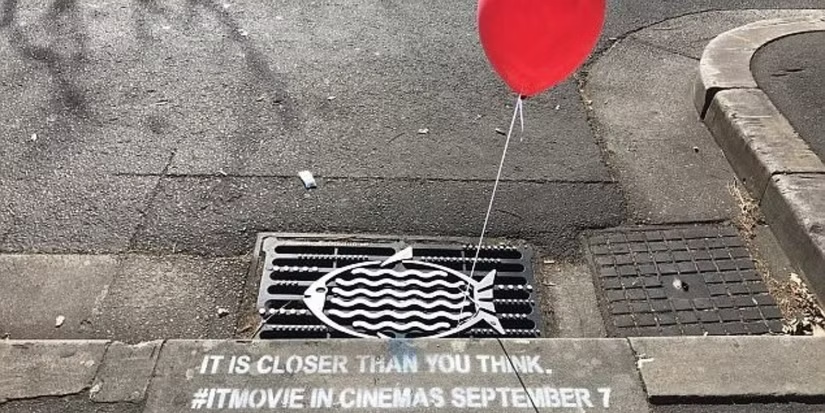 Photo Credit: Screen Rant
Ready to build a campaign that makes hearts race and timelines buzz? Hollywood Branded is here to help you bring your brand into the spotlight - and the shadows.
Eager To Learn More?
If you loved this blog, don’t stop here. Our content library is filled with breakdowns of experiential campaigns, fandom-fueled partnerships, and entertainment-first strategies that captivate just like horror does. From candy brands in cult classics to influencers recreating iconic scenes, we've got you covered.
- The Gothic Trinity
- 20 Reasons Horror Movies Are a Goldmine for Brands
- Halloween: The Met Gala of Pop Culture
- Scary Good Marketing: Understanding the Horror Genre's Captivating Influence
- How Brands Leverage Halloween to Create Buzz and Boost Engagement
Want to stay in the know with all things pop culture? Look no further than our Hot in Hollywood newsletter! Each week, we compile a list of the most talked-about moments in the entertainment industry, all for you to enjoy!