
Quick Answer
How hyper-stylized TV dramas like Euphoria use camera, color, and movement to turn emotion into immersive spectacle and redefine modern storytelling.
How Hyper-Stylized TV Dramas Turn Emotion Into Spectacle
In recent years, a distinct visual language has taken hold across modern television dramas - one defined by heightened emotion, bold cinematography, and an almost obsessive focus on intimacy. While often associated with prestige platforms, this aesthetic isn’t tied to any one network or production company. Instead, it represents a broader stylistic movement in contemporary TV storytelling.
Shows like Euphoria, I Love L.A., and Heated Rivalry may differ in genre, tone, and narrative focus, but they share a cinematic approach that prioritizes feeling over realism. Emotion isn’t simply written into dialogue or conveyed through performance. It’s engineered through camera movement, composition, lighting, and sound. This emerging style, often associated with what audiences recognize as the “Max aesthetic,” reflects a shift toward television that feels immersive, intimate, and deliberately dramatic. Rather than asking viewers to observe, these shows ask them to experience. In this article, I examine how a group of contemporary television dramas are shaping what can be described as the “Max aesthetic,” a visual style that uses cinematography, composition, and atmosphere to intensify emotional storytelling.

defining the max aesthetic
The “Max aesthetic” is best understood as an umbrella term for a contemporary visual language in TV dramas that borrows heavily from music videos, advertising, and arthouse cinema. It is rooted in stylization rather than subtlety, using form to heighten emotional stakes and collapse the distance between audience and character.
At its core, this style is about making dramatic moments feel even more dramatic. Intimacy is amplified. Tension is prolonged. Visual choices are rarely neutral. The result is television that feels cinematic not because of budget or spectacle, but because of how deliberately emotion is staged.

Photo Credit: HBO MAX
When the camera becomes an emotional participant
One of the most defining traits of this aesthetic is its use of dynamic camera movement. The camera doesn’t simply document action; it reacts to it.
Quick pans, sudden reframing, and dramatic push-ins are frequently used to escalate emotional moments. One of the most striking techniques is the rapid pan that reveals off-screen space: a character looks, the camera snaps to what they see, and then pushes in closer, intensifying the emotional revelation. The movement itself becomes part of the drama.
A clear example appears in Euphoria during the carnival scene when Maddy arrives at Nate’s chili cook-off. The camera abruptly pans to her slow clap, the gesture isolated and confrontational, before pushing in as if bracing for impact. It then snaps back to Nate, mirroring the emotional whiplash of the moment. The movement visualizes tension before a single word is spoken.
In this style, camera movement isn’t decorative - it creates intimacy.
.gif?width=1138&height=640&name=0121(1).gif) Gif Credit: HBO MAX
Gif Credit: HBO MAX
Composition, Blocking, and the Power of Space
Beyond camera movement, the Max aesthetic relies heavily on composition and blocking to create emotional contrast within and across scenes. Space is rarely neutral. Characters are framed in ways that either compress or liberate them, using architecture, distance, and camera mechanics to externalize internal states.
A striking example appears in I Love L.A. during a sequence that intercuts between Maia and her friends Tallulah and Alani. Maia is framed tightly in her apartment doorway, bouncing on a yoga ball while juggling a stressful phone call. The camera slowly pushes in on her, tightening the frame and emphasizing the narrowness of the space around her. The composition feels constricting - walls close in, movement feels repetitive, and the push-in creates the sensation that the camera itself is crowding her. Visually, the scene communicates pressure before Maia ever names it.
That tension is immediately juxtaposed with Tallulah and Alani drifting through an Erewhon grocery store, high and unbothered. Here, the camera employs a double dolly zoom. The camera moves on a dolly while adjusting focal length to keep the subjects centered, creating a floating, slightly disorienting effect. The world around them warps subtly as they glide through the aisles, reinforcing their euphoric detachment from consequence or responsibility.
Placed back-to-back, these two camera strategies do more than differentiate spaces, they differentiate emotional realities. Maia’s frame tightens and suffocates, while Tallulah and Alani’s expands and drifts. One character is trapped by pressure and expectation; the others move freely, unmoored and carefree. The contrast isn’t explained through dialogue - it’s embedded in composition and motion.
This is a hallmark of the Max aesthetic: using spatial design and camera mechanics to stage emotional tension. Characters don’t just exist in space. They’re shaped by it.
 Gif Credit: HBO MAX
Mise-en-Scène and the Music Video DNA
The Max aesthetic is deeply rooted in music-video sensibilities, where atmosphere carries as much narrative weight as dialogue. Lighting is high-contrast, colors are saturated, and environments feel dreamlike rather than realistic. These shows rely on mise-en-scène to externalize emotion, turning internal confusion, desire, or anxiety into something visible on screen.
A striking example appears in Euphoria during a party scene where Jules becomes disoriented and momentarily imagines Nate’s presence. The space is washed in a misty blue haze, giving the scene an underwater, unreal quality that mirrors Jules’s mental state. Against that cool palette, her vivid orange eyelashes stand out sharply, creating a visual contrast that draws attention to her emotional vulnerability. As the lights flash, the camera cuts between Jules and Nate, blurring the boundary between reality and perception. The effect is destabilizing by design - the audience experiences the confusion alongside her rather than being told what she feels.
This approach echoes across the Max aesthetic. Lighting and color aren’t just stylistic flourishes; they function as emotional cues. Purple and pink tones often signal intimacy or desire, while cooler blues suggest dissociation or emotional distance. High saturation heightens the intensity of moments that might otherwise feel ordinary.
In Heated Rivalry, this sensibility carries over into club scenes where music, color, and movement converge. In one sequence, Ilia dances with a girl while Shane watches from across the room. Despite the crowded space, the framing isolates them as if no one else exists. Purple and pink lights pulse as a slowed remix of “All The Things She Said” plays, and the camera cuts rhythmically between their faces before drifting backward, positioning the viewer between their gazes. Desire is communicated not through dialogue but through atmosphere.
Across these series, mise-en-scène becomes a narrative language of its own. Emotion isn’t explained It’s staged, colored, and felt.
.gif?width=1502&height=640&name=0121(3).gif) Gif Credit: HBO MAX
Gif Credit: HBO MAX
Why This Style Resonates now
What makes this aesthetic so compelling is its ability to externalize internal experience. In a cultural moment defined by heightened emotion, constant visibility, and curated identity, these shows offer a visual vocabulary that feels intuitive.
They don’t aim for realism. They aim for immersion.
By using cinematic techniques to stage intimacy and tension, these dramas reflect how emotions often feel in the modern world: amplified, overwhelming, and impossible to ignore. The camera moves when characters can’t. Color intensifies when language fails. Silence stretches when words fall short.
The “Max aesthetic” isn’t about subtlety. It’s about honesty through exaggeration.
.gif?width=1138&height=640&name=0121(2).gif) Gif Credit: HBO MAX
Gif Credit: HBO MAX
the aesthetic cinematic style of tv today
The rise of this hyper-stylized approach marks a meaningful shift in television storytelling. Shows like Euphoria, I Love L.A., and Heated Rivalry demonstrate that cinematic language isn’t reserved for film. It’s increasingly central to how television communicates emotion.
By turning camera movement, composition, sound, and lighting into emotional tools, these series don’t just tell stories, they stage them. The result is television that feels intimate, immersive, and undeniably cinematic.
As modern audiences continue to crave connection and intensity, this aesthetic isn’t fading anytime soon. It’s becoming the visual language of contemporary drama, one push-in, pan, and saturated frame at a time.
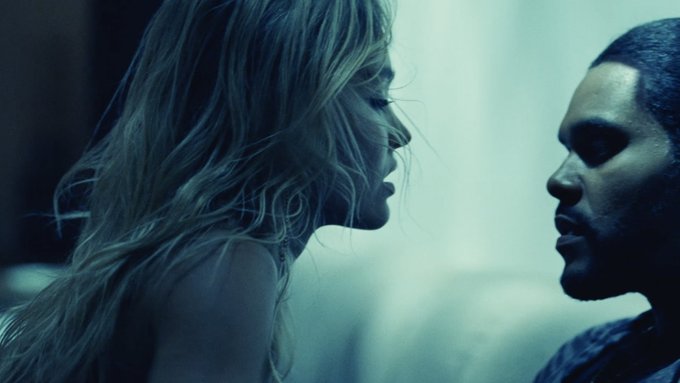
Photo Credit: HBO MAX
Eager To Learn More?
The Max aesthetic is just one example of how visual language and emotional intensity are shaping modern television. For a deeper look at how style, storytelling, and cultural influence intersect across film and TV, explore these related Hollywood Branded blogs.
- The Power of Pop Culture: How Entertainment Shapes Consumer Behavior
- Behind the Seams: The Brand-Building Power of Fashion in Entertainment
- The Most Stylish Movies and What We Can Learn From Them
- Transmedia Storytelling As A Marketing Tactic
- How Modern Brands Are Redefining Content Creation
Want to stay in the know with all things pop culture? Look no further than our Hot in Hollywood newsletter! Each week, we compile a list of the most talked-about moments in the entertainment industry, all for you to enjoy!