Quick Answer
Hollywood Branded breaks down Rule 40, the Olympic blackout period, and exactly what non-sponsor brands can and cannot do during the LA 2028 Games.
The Olympic Marketing Rule That Trips Up More Brands Than Any Other
TRule 40 of the Olympic Charter is the most consequential rule for any brand working with athletes who are not official IOC or LA28 sponsors, and most marketers either don't know it exists or underestimate it until it's too late. A brand builds a campaign around an athlete partnership, plans it around the Games, then discovers it can't run during the exact window when that athlete's visibility peaks.
The campaign gets pulled, the athlete bears the consequences, and the brand is left scrambling. In this article, Hollywood Branded breaks down what Rule 40 means for non-Olympic sponsors, what's allowed during the Games period, and how to build a strategy that works within it.
 Photo Credit: Dreamstime.com
What Rule 40 Actually Is and How It Has Changed
Rule 40 governs how athletes and their personal sponsors can market during the Olympic Games period, a defined window around the Games, not their full duration. For Milano Cortina 2026, that window ran January 30 to February 24, 2026, bracketing the February 6–22 competition dates. For LA28 (Olympics: July 14–30, 2028; Paralympics: August 15–27, 2028), the IOC has not yet published official Rule 40 dates. Based on the Milano Cortina pattern, expect a window opening roughly a week before July 14 and closing a week or two after July 30, but treat that as a planning estimate until confirmed.
Non-Olympic sponsors must register personal sponsorships with the USOPC and get the athlete to affirmatively agree to a Personal Sponsor Commitment before marketing them during the Games period. Skip this, and the risk isn't just a fine. It's the campaign getting pulled and the athlete's Games eligibility put at risk.
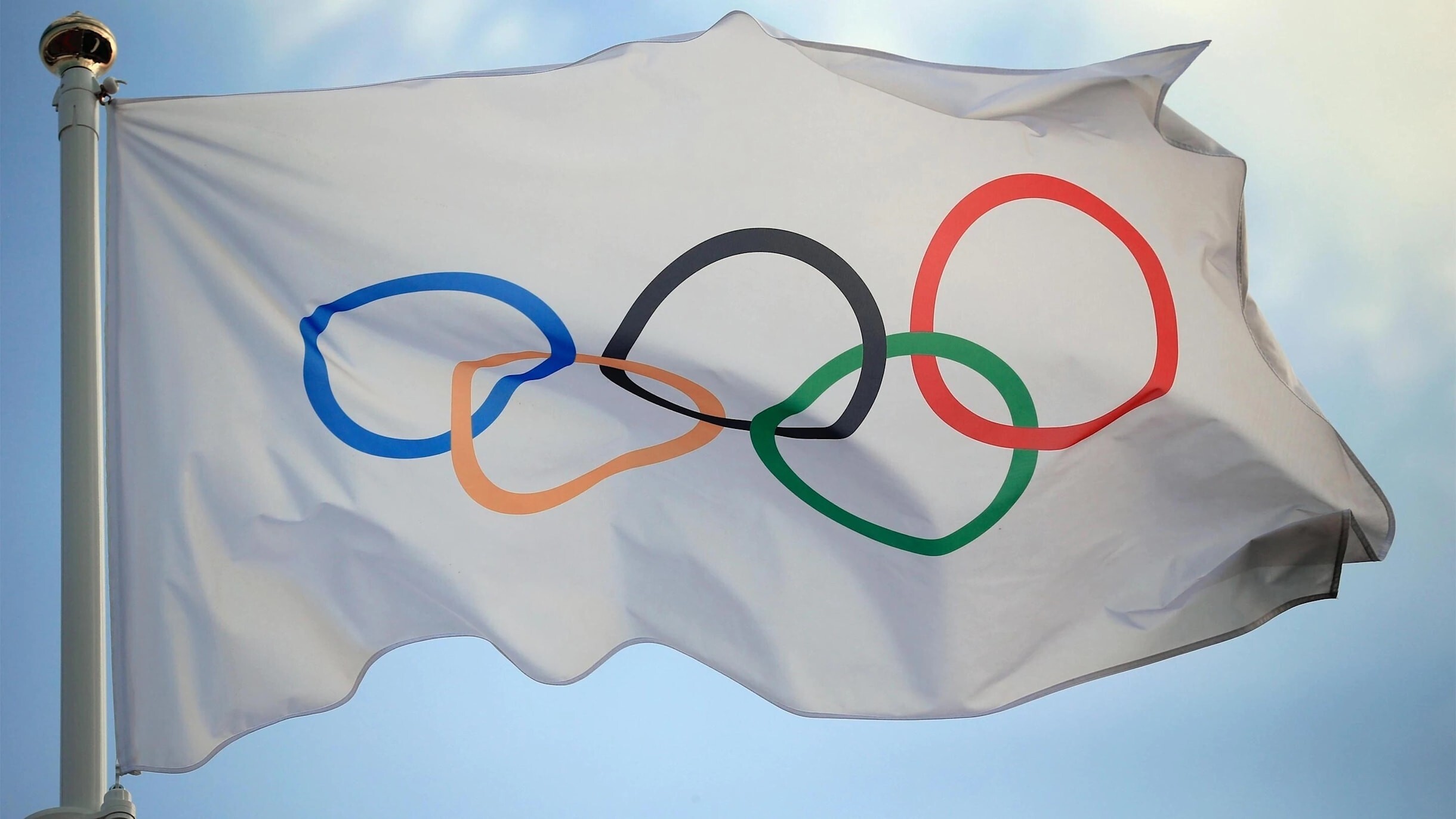 Photo Credit: ANOC
The Timeline Problem Nobody Plans For Until It Is Too Late
The Games period is when restrictions are tightest and athlete visibility is highest, which is exactly the mismatch that catches brands off guard. Generic Advertising campaigns must be live and running before the blackout begins to qualify, and can't be ramped up or changed once it starts. That means front-loading investment before the Opening Ceremony, keeping the campaign running as a continuation rather than a new activation, and having a post-Games campaign ready to launch the moment restrictions lift. That 60–90 day post-Games window, when the athlete's profile peaks and restrictions disappear, is where brands that move fast capture disproportionate value.
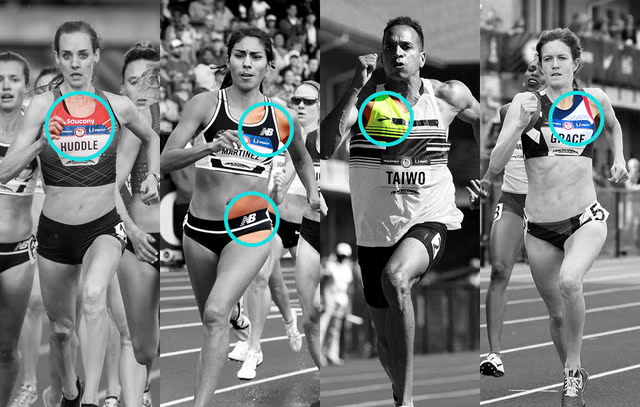 Photo Credit: Runner's World
Ambush Marketing, Olympic IP, and Where the Line Actually Is
Non-Olympic sponsors can't use words like Olympics, Team USA, Gold, or Games in athlete marketing, can't use the five rings or Olympic venue imagery, and can't imply an official relationship. Milano Cortina 2026 showed how unevenly this gets enforced in practice. Ski brand Faction posted a podium photo of freeski medalists holding its skis, technically borderline but never challenged. Nike went further, amplifying a moment when speed skater Jutta Leerdam revealed a Nike sports bra after a gold-medal race; critics called it ambush marketing, but IOC marketing leadership publicly dismissed the claim as normal post-race behavior. The takeaway: authentic, unplanned moments tend to survive scrutiny, and manufactured versions of them tend to fall flat.
What Non-Olympic Sponsors Can and Cannot Do During the Games Period
Non-Olympic sponsors get two options during the Games period: Generic Advertising (continuing an existing campaign without Olympic references) and Athlete Recognition Marketing (a capped number of thank-you posts on the athlete's own channels, with no paid amplification, no product promotion beyond a logo, and no Olympic IP). Confirm the current post cap against USOPC's published guidance for the relevant cycle, since it has shifted between Games before.
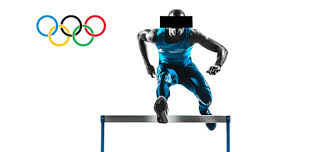
Photo Credit: LawInSport
How to Protect Your Olympic Investment and Build a Strategy That Works
Work with counsel or agency partners who have specific Olympic marketing experience, not general sports marketing experience. Build Rule 40 compliance into the creative brief from day one rather than retrofitting it later. Negotiate athlete contracts with pre, during, and post-Games deliverables in mind. Register through the USOPC's Rule 40 Permissions System early. And have the post-Games campaign built and ready before the Opening Ceremony, since the brands fastest out of the gate afterward capture the most cultural momentum.
Frequently Asked Questions
Q. When is the LA28 Rule 40 blackout period?
A. Not yet officially set. Expect it to bracket the July 14–30, 2028 Games by roughly a week on each side, pending IOC confirmation.
Q. Can a brand repost an athlete's own Olympic content?
A. Generally no, even if the athlete created it, if it includes Olympic IP, medals, or Olympic stakeholders.
Q. What happens for noncompliance?
A. The campaign can be pulled, and the athlete's own Games eligibility can be jeopardized, which is what makes violations so damaging to the relationship.
Eager To Learn More?
Rule 40 is only one piece of the Olympic marketing puzzle, so follow Hollywood Branded's LA28 series for more on building a strategy that holds up before, during, and after the Games.
- What Brands Get Wrong About Olympic Athlete Partnerships in 2028
- Flag Football's Olympic Debut: The Brand Opportunity Nobody Has Claimed
- The Olympic Sponsorship Ladder: Entering the LA 2028 Marketing Game
- 12 Step Brand Guide to Post About the Olympics and Not Get Sued
- The Smart Brand's Guide to LA 2028
Want to stay in the know with all things pop culture? Look no further than our Hot in Hollywood newsletter! Each week, we compile a list of the most talked-about moments in the entertainment industry, all for you to enjoy!