

Quick Answer
Should brands capitalize on stans? See how parasocial fandom drives buying power, when celebrity deals backfire and how to earn lasting fan trust.
What Is Parasocial Fandom and Why Should Brands Care?
Brands should engage celebrity stans, but only when a partnership gives fans something they value instead of simply extracting attention from them. Parasocial fandom, the one-sided emotional bond fans form with celebrities they have never met, is now one of the strongest forces in consumer behavior, and brands that respect it can earn a level of trust that traditional advertising rarely reaches.
Cambridge Dictionary named "parasocial" its 2025 Word of the Year, with lookups spiking around moments like Taylor Swift's engagement to Travis Kelce. For marketers, that milestone confirms what fandom behavior has been signaling for years: stan communities organize, spend and speak up faster than almost any other audience. In this article, Hollywood Branded discusses how parasocial relationships work, why stan culture moves products, where celebrity brand partnerships cross the line, and how to build fandom marketing that benefits everyone involved.
 Photo Credit: SMH
How Do Parasocial Relationships With Celebrities Actually Work?
A parasocial relationship is a one-sided connection in which a fan feels they know a public figure personally, even though that person does not know them. Sociologists first described the idea in 1956 while studying how television viewers bonded with people on screen, and for decades the term stayed mostly inside academic journals. Social media, livestreams, podcasts and behind-the-scenes content changed that by giving fans a near-constant window into celebrities' daily lives. A "stan" sits at the far end of this spectrum, and Merriam-Webster defines the word as an extremely or excessively devoted fan, a term popularized by Eminem's 2000 song of the same name. Casual fans enjoy a celebrity's work, while stans tend to treat that celebrity's choices, relationships and brand partnerships as an extension of their own identity.
That identity link explains why stans follow celebrity lives so closely. When Harry Styles and Zoë Kravitz were first photographed together in Rome in August 2025, fan accounts circulated the footage almost immediately, and timelines filled with analysis of every sighting. Swift's fans joined the conversation too, since Kravitz is a friend of Swift and Styles is one of her famous exes. Neither star made a public statement at the time, yet millions of people felt personally invested in what was happening between them. For brands, this is the core dynamic to understand: stans do not just watch celebrities, they participate in their stories, and they bring that same intensity to every brand a celebrity touches.
 Photo Credit: The Vermont Cynic
Why Do Stan Communities Have So Much Buying Power?
Stan communities have buying power because they act collectively, not individually. When a fandom decides a product matters, members coordinate purchases, share unboxings and turn limited releases into community events. BTS and its fan base, ARMY, show this clearly in 2026, with collaborations across Nike, OREO and ARIH selling out quickly as fans treat everyday products as collectibles. ARIH's approach is especially smart, because as an official tour sponsor it hands out samples at every stop, placing the brand inside the fan experience instead of on a billboard outside it. Broader research supports the pattern, too, with MarketCast's 2025 Brand Fandom Report finding that 65% of Gen Z consumers who recall a celebrity or influencer endorsement think more positively about the brand, and 58% are more likely to try it.
Long-term commitment multiplies that effect. Jonathan Bailey returned as the face of Martini for a second summer in 2026, and the partnership grew into a multi-year deal. Renewals like this signal to fans that the relationship is genuine, which matters because stans are quick to spot a one-off paycheck. When the fit feels earned, fans extend their trust from the celebrity to the brand, giving the partnership a credibility that paid media alone struggles to buy. The lesson for marketers is that stan buying power rewards consistency, scarcity and real participation, not a single sponsored post.
Photo Credit: Yahoo
When Does Capitalizing on Stans Cross the Line?
Capitalizing on stans crosses the line when a brand treats fan devotion as something to extract instead of something to respect. The same intensity that sells out a product drop can turn against a partnership overnight if fans feel the brand conflicts with their values or with the celebrity's image. BTS has seen both sides, as a Google Gemini campaign drew criticism from fans who framed it as an AI values issue and rallied around the hashtag #ARMYAgainstAI. Jennie of BLACKPINK faced a similar spillover when her co-designed Adidas Originals line was pulled into a boycott push tied to an Israeli promotion. In both cases, fans read the partnership as a statement about who the celebrity is, which means brand safety now depends on what the audience believes a partnership signals, not only on what the talent says.
Backlash is not always fatal, and some brands choose to hold steady. American Eagle brought back Sydney Sweeney after her earlier campaign sparked heated debate, betting that consistency can outlast short-term social media pressure. Beyond reputation, there are practical obligations to manage. Under FTC endorsement guidelines, paid relationships between brands and talent must be clearly disclosed, and fans are quick to call out sponsorships that feel hidden. Extra care is also needed when a fandom skews young, because parasocial bonds can be especially intense for younger audiences and the line between engagement and exploitation is thinner.
How Do Fan-First and Extraction-First Partnerships Compare?
| Factor | Fan-first partnership | Extraction-first partnership |
|---|---|---|
| What fans get | Access, exclusives or shared experiences | A sales pitch |
| Celebrity's role | Genuine voice and creative input | A face on an ad |
| Timeline | Multi-campaign or year-round | One-off post or spot |
| Typical fan response | Fans share it and defend it | Fans question it or call it out |
| Values check | Fit with fandom values researched first | Fandom values ignored |
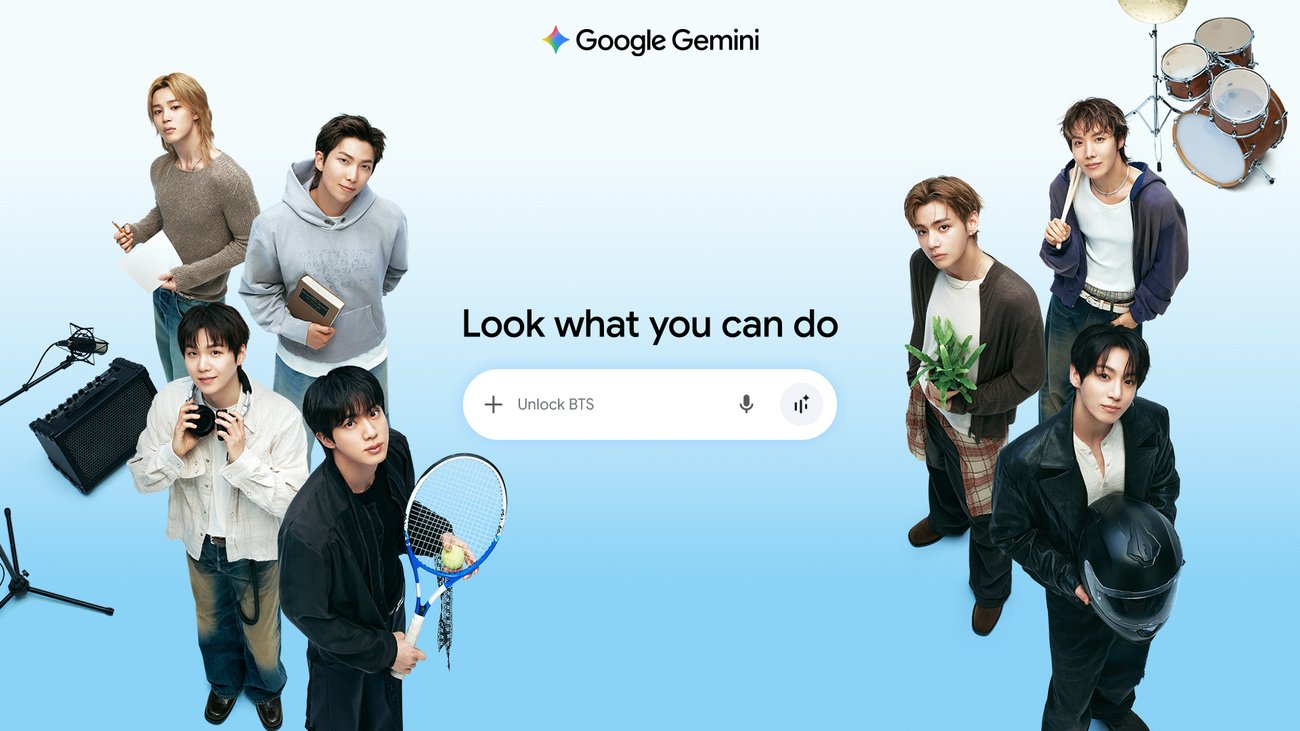 Photo Credit: Google Blog
How Can Brands Partner With Fandoms the Right Way?
Brands partner with fandoms the right way by building for Mutual Benefit, where the brand, the celebrity and the fans all gain something real. That work starts long before a contract, with research into what a fandom values, how it talks and what it has rejected in the past. It continues with choosing talent whose genuine interests overlap with the brand, because stans can tell the difference between a celebrity who loves a product and one who was paid to hold it. The strongest fandom marketing gives fans a reason to participate, whether that is early access, a limited edition or an experience they can share with their community. Hollywood Branded approaches celebrity and creator partnerships this way, treating the fan community as a partner in the work instead of a target for it.
What Steps Should Brands Follow When Working With Stan Communities?
- Research the fandom first. Study how fans talk, what they celebrate and which past partnerships they rejected.
- Lead with genuine fit. Choose talent whose real interests and values connect to the brand.
- Give fans something they value. Offer access, exclusives, collectibles or experiences, not just a discount code.
- Let the celebrity's real voice lead. Build creative with the talent so the message sounds like them.
- Plan beyond one campaign. Map how the partnership can show up across tours, releases and cultural moments.
- Prepare for pushback. Agree on disclosure, approvals and a response plan before launch.
Photo Credit: Food & Wine
So, Should Your Brand Tap Into Stan Culture?
Yes, brands should tap into stan culture, as long as the goal is to earn a place in the fandom instead of cashing in on it. Parasocial relationships have moved from academic theory to everyday vocabulary, and stan communities now shape which products sell out, which campaigns trend and which partnerships fall apart. The examples from BTS, Jonathan Bailey and Jennie show that the same fan energy can build a brand or bury a campaign, depending on how much the partnership respects the people behind it. For marketers, that makes fandom marketing less about reach and more about relationships, values and long-term commitment. Brands that approach celebrity partnerships with that mindset give themselves a far better chance of becoming part of the fan story.
The key takeaways for marketers are clear. Research a fandom before you engage it, choose talent with genuine fit, and give fans something worth sharing. Plan partnerships that last beyond a single campaign, disclose every paid relationship, and prepare for pushback before launch. When the brand, the celebrity and the fans all benefit, stan culture stops being a risk to manage and becomes one of the most loyal audiences a brand can have.
Photo Credit: Martini
Frequently Asked Questions
Q. What is a parasocial relationship in marketing?
A. In marketing, a parasocial relationship is the one-sided bond a consumer feels with a celebrity, creator or character, which can shape how that consumer views the brands the public figure supports. When fans feel they know a celebrity personally, they often extend that trust to products the celebrity genuinely champions. That is why celebrity and creator partnerships can drive stronger engagement than traditional ads when the fit feels authentic.
Q. Is it ethical for brands to market to celebrity superfans?
A. Marketing to superfans is ethical when the partnership is transparent, the celebrity genuinely supports the brand, and fans receive real value such as access, exclusives or experiences. It becomes a problem when brands hide paid relationships, exploit emotional attachment or target young fans with pressure tactics. Clear disclosure under FTC guidelines and a fan-first approach keep the relationship honest.
Q. How do brands measure the impact of a fandom-driven campaign?
A. Brands can measure a fandom-driven campaign through sell-through rates on limited releases, unique promo code or link redemptions, social share of voice, and sentiment within fan communities. Earned media coverage and user-generated content volume also show how far fans carried the message on their own. Results vary by category and partnership, so set benchmarks before launch and compare against them afterward.
If you want to go deeper on how fans, celebrities and brands connect, these Hollywood Branded articles are a great next read.
Eager to Learn More?
- Celebrity Endorsement Value Extends Beyond Star Power To Fans
- Branded Celebrity Partnerships And Mistakes To Avoid
- The Celebrity Playbook: Building Authentic, Story-Driven Partnerships
- Influencer and Celebrity Endorsements 101
- Hollywood's Branding Power Couples
