Quick Answer
Tina Fey questioned celebrity side hustles. Hollywood Branded CEO Stacy Jones explains when wealthy celebrities should launch their own brands and what works.
Why Did Tina Fey's Comments on Celebrity Side Hustles Start a Debate?
Tina Fey said on Amy Poehler's Good Hang podcast that she has a problem with already-rich celebrities launching side hustles, and that she has no plans to start a brand of her own. Amy had suggested she launch an eyeglasses or haircare line. Tina said no, pointed to people already worth something like $200 million, and admitted she judges it. She also said she doesn't care much about money and only wants enough to feel secure.
Her comments resurfaced this month in an Inc. article by Victoria Salves, which I was featured in. I told Inc. that Fey is painting with a pretty broad brush, and that we shouldn't confuse celebrity entrepreneurship with celebrity greed. In this article, Hollywood Branded discusses whether wealthy celebrities should launch their own brands, the difference between renting fame and owning a business, and what brands should take from the debate.
Should Wealthy Celebrities Launch Their Own Brands?
Wealthy celebrities can have good reasons to launch their own brands, and the size of their bank account is not a useful test of whether they should. The better test is whether the celebrity is genuinely involved, understands the customer and is building something people actually want. A celebrity with real passion for a category, strong operating partners and a differentiated product can build a business that creates jobs, brings new products to market and gives talent more control over their career.
Business culture celebrates serial entrepreneurs who launch new companies and move into new categories, and it encourages owners to diversify their income. When an actor does the same thing, the move is often labeled greedy. I see that as a double standard. Fame and ownership alone don't make anyone a good entrepreneur, but having already succeeded isn't a reason to stop building.

Isn't Tina Fey Already a Business Owner?
Yes. Tina Fey is one of the clearest examples of a celebrity who built something of her own. She created 30 Rock, co-created Unbreakable Kimmy Schmidt and wrote Mean Girls, which went from a hit movie to a Broadway musical to another film. She also runs her own production company, Little Stranger. Her career is built on creating and owning the projects she works on, which is a big part of why she can be so selective today.
Not every actor wants to write a series or develop a Broadway show. Some are passionate about fashion, beauty, food or home design, and building a company in one of those categories takes just as much creativity as writing a script. Actors spend their careers bringing ideas and characters to life, so I don't see any clear reason that bringing their own product to life should count for less.
What Is the Difference Between a Celebrity Endorsement and a Celebrity-Owned Brand?
A celebrity endorsement rents a celebrity's fame for a set term, while a celebrity-owned brand lets the celebrity build and share in the value of a business. With a traditional endorsement, talent is paid to appear in campaigns and attach their identity to a brand. The company owns the product, controls the business and keeps the long-term upside. With a celebrity-founded or equity-backed brand, talent can have a real hand in the product and creative direction, and shares in the value of what gets built.
Tina Fey has done endorsement work herself, including memorable American Express commercials, and she was great in them. American Express was paying for the trust and familiarity audiences already had with her, which is exactly how celebrity endorsements work. That is a perfectly legitimate business. What doesn't add up for me is accepting a celebrity helping another company sell millions in product while questioning the same celebrity for wanting to build and own a company. As I told Inc., a celebrity can come across as more authentic building a business of their own than lending their name, image, likeness and audience to someone else's brand.
How Does a Celebrity Endorsement Compare to a Celebrity-Owned Brand?
| Celebrity Endorsement | Celebrity-Owned Brand | |
|---|---|---|
| What the celebrity provides | Name, image, likeness and audience for a set term | A real hand in the product and creative direction |
| Who owns the business | The company | The celebrity, usually with experienced partners |
| Long-term upside | Stays with the company | Shared with the celebrity |
| Example from this article | Tina Fey's American Express commercials | Fenty Beauty and Casamigos |
Which Celebrity-Founded Brands Have Built Real Value?
Fenty Beauty and Casamigos are two of the clearest examples of celebrity-founded brands that became real businesses. Both were built with experienced partners behind the famous name, the same way plenty of founders who have never walked a red carpet build companies.
Rihanna launched Fenty Beauty in 2017 with Kendo, LVMH's beauty incubator, and it debuted with 40 foundation shades. Her fame got people to look, and the shade range gave them a reason to buy. Fenty is widely credited with pushing the rest of the beauty industry to expand its ranges.
George Clooney co-founded Casamigos tequila in 2013 with Rande Gerber and Mike Meldman. In 2017, Diageo agreed to buy the brand in a deal worth up to $1 billion, with $700 million upfront and up to $300 million more tied to performance. Clooney's name brought attention, and the brand still needed a product people liked, distribution and smart positioning to get there.
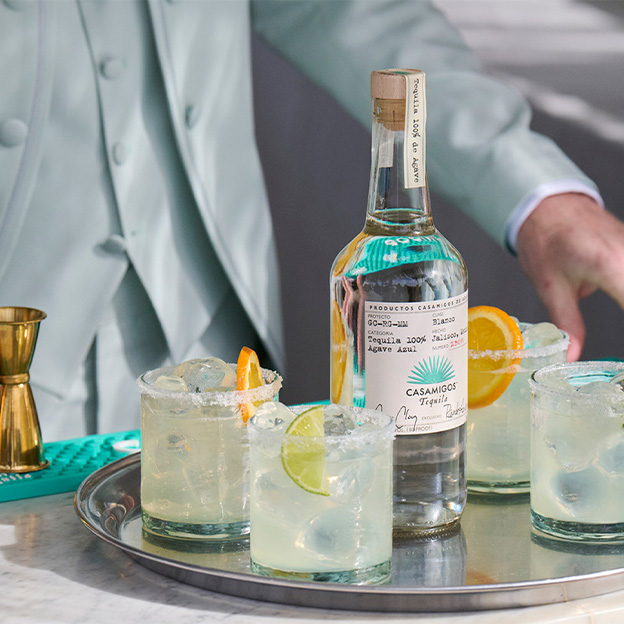 Photo Credit: Casamigos
Do Consumers Actually Care Who Owns a Celebrity Brand?
Most consumers don't know who is behind the celebrity brands they buy. In 2024, Numerator surveyed buyers of 30 popular celebrity and influencer brands in food, beverage and beauty, and only 18% could correctly name the celebrity or influencer who started the brand they had bought. Fenty buyers had the highest awareness, at 59%.
The same report found influencer beauty brands had a 24% repeat purchase rate, compared with 39% for the average beauty brand, although the customers they keep for two years or more can be worth more than two and a half times as much. A famous name can get someone to try a product. Price, quality and the experience decide whether they come back, and if the product disappoints, the founder's fame won't save it. This is where I think Tina Fey has a fair point: shoppers are getting pickier about celebrity brands, and they should.
How Many Shoppers Can Name the Celebrity Behind a Brand They Bought?
| Buyers of 30 celebrity and influencer brands |
18%
|
| Fenty Beauty buyers |
59%
|
How Do Repeat Purchase Rates Compare for Influencer Beauty Brands?
| Influencer beauty brands |
24%
|
| Average beauty brand |
39%
|
Source: Numerator, 2024 survey of buyers of 30 popular celebrity and influencer brands in food, beverage and beauty.
How Can You Tell a Real Celebrity Brand From a Cash Grab?
A real celebrity brand has a founder who is involved beyond launch day and a product people want on its own merits. Some celebrity brands do feel like cash grabs, and it is fair to call that out. The line isn't always obvious, though. A celebrity might start with a licensing offer and grow genuinely passionate about the category, while another might have a lifelong passion and no idea how to run a company. In my experience, these questions separate the two better than how much money the celebrity already has:
- Is the celebrity helping develop the product?
- Do they understand the customer?
- Will they stay involved after launch day?
- Have they brought in people who know how to operate a business?
- Is it something people actually want?
 Photo Credit: Reale Actives
What Should Brands Learn From the Celebrity Side Hustle Debate?
Brands should match the partnership structure to what the talent genuinely cares about. In my experience, the strongest celebrity partnerships come from real alignment between the talent's interests and what the brand is building. Sometimes the right structure is a traditional endorsement. Sometimes it is a licensing deal, and sometimes it is a deeper partnership where the talent has a voice in the product and a stake in how it grows. None of those is automatically the best option.
I also see a lesson in Tina Fey's own position. Saying publicly that she has no interest in a celebrity brand reinforces her reputation as selective, and that could make her more valuable to advertisers, because when someone known for saying no finally says yes, it means more. That works because it is true to how she wants to be seen. She gets to decide what creative fulfillment looks like for her, and other celebrities deserve the same freedom. For brands considering talent, my advice is to start with what that person genuinely cares about, then build the structure around it.
Eager To Learn More?
Want to dig deeper into celebrity brands and talent partnerships? These Hollywood Branded articles are a great place to start:
- A Deep Dive Into Celebrity-Owned Brands
- 10 Insights On Giving A Celebrity Equity In Your Brand
- Billion-Dollar Celebrity Brands: What Happens After They Sell
- What Paid Influence Gets Wrong and Ownership Marketing Gets Right
- What Can Brands Learn From Dua Lipa's $15M Samsung Lawsuit?