Quick Answer
What can brands learn from Call Her Daddy? Sofia Franklyn's Daddy Issues memoir offers smart lessons on creator IP, narrative control and brand safety.
Why Is Everyone Talking About Call Her Daddy Again?
Six years after one of podcasting's most talked-about splits, Call Her Daddy is back in the headlines. Sofia Franklyn's memoir, Daddy Issues, hit shelves on November 10, and it offers her personal account of the partnership she built with Alex Cooper and how it came to an end.
For fans, the book is a chance to hear a perspective that has mostly been told through other people. For brands and marketers, it is a real-world case study in creator IP, narrative control and what happens when a partnership built on two personalities comes apart. In this article, Hollywood Branded discusses what brands can learn from Call Her Daddy, from who owns a creator-built property to how to partner with talent when the story gets complicated.
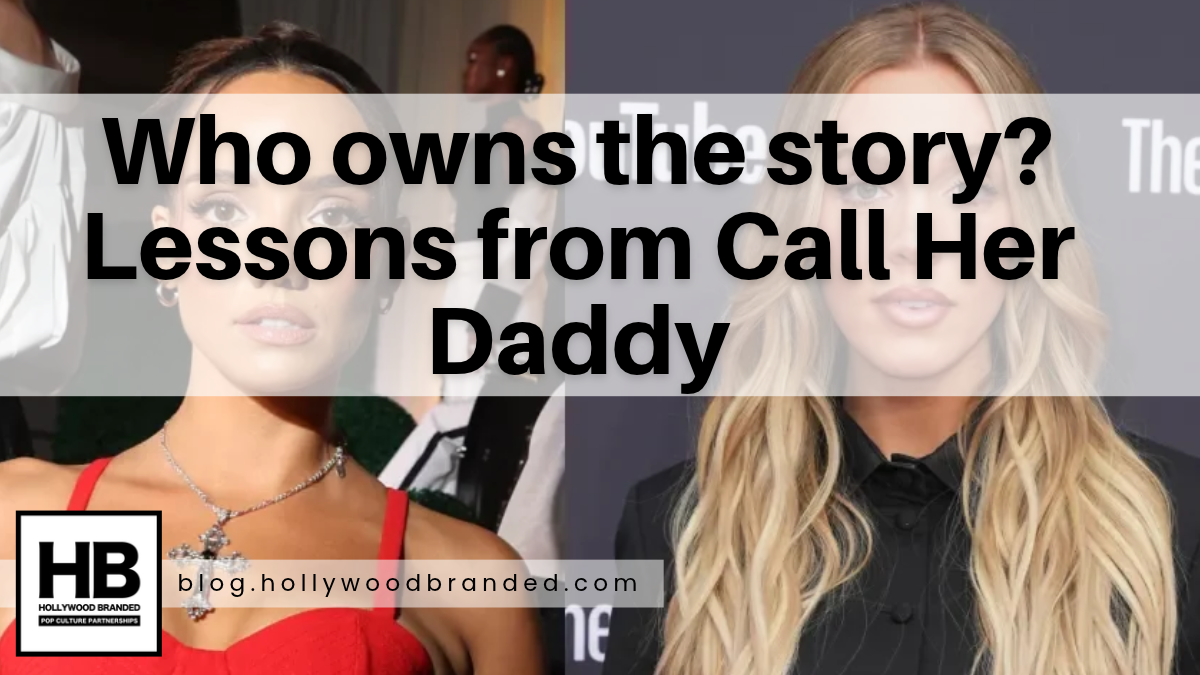
Photo Credit: She Knows/ Lexie Moreland for WWD, John Nacion/Variety
What Happened Between Sofia Franklyn and Alex Cooper?
Cooper and Franklyn launched Call Her Daddy in 2018, turning a friendship and a shared apartment into one of the most talked-about podcasts in the country. The show was quickly picked up by Barstool Sports and climbed to the top of the podcast charts.
In 2020, contract renegotiations with Barstool and its founder, Dave Portnoy, broke down, and the two hosts parted ways. Cooper continued as solo host beginning in May 2020, moved the show to Spotify in 2021 in a deal reported at $60 million, and then signed a multiyear SiriusXM deal in 2024 reported at $125 million. Franklyn launched her own show, Sofia with an F, in October 2020, which her publisher says debuted at No. 1 overall on Apple Podcasts.
For years, the public version of the split was shaped largely by Cooper and Portnoy. In her 2025 Hulu docuseries, Call Her Alex, Cooper said Portnoy offered the hosts a chance to own the show's IP if they stayed with Barstool another year, and that Franklyn chose not to sign.
Daddy Issues is Franklyn's account, and it describes events differently. In the book and in recent interviews, Franklyn alleges that she was cut out of the deal rather than walking away from it, and she claims she was locked out of the show's social accounts after the split. Cooper has not publicly responded to the specific allegations in the memoir, and a representative for her company, Unwell, has disputed at least one of them, so these remain one person's recollections and should be read that way.

Photo Credit: Sirius XM
Why Does Owning the IP Matter So Much?
Set the friendship aside, and the Call Her Daddy story is really about ownership. By both hosts' accounts, the central question in 2020 was who would control the show's name, its brand and its future. In a 2023 Rolling Stone interview, Franklyn said she had concerns about the proposed terms, including Barstool reportedly holding alcohol rights to anything Call Her Daddy related in perpetuity and each host receiving 2.5% of merchandise sales.
Cooper, for her part, has said Portnoy did offer the hosts alcohol rights, a larger merchandise share and the IP. In Daddy Issues, Franklyn also claims she wanted to negotiate ownership before the pair ever signed with Barstool, but says the paperwork moved quickly and she signed.
Whatever version readers believe, the lesson for brands is the same. Whether you are co-creating a podcast, a product line or a branded series with talent, the ownership terms decide who benefits when the project takes off. That means defining who owns the name, the format, the content library, usage rights and high-value categories like alcohol or merchandise from day one.
It also means spelling out what happens if one partner exits, because a property built on two people does not automatically split cleanly. Ambiguity feels harmless at signing, but it becomes very expensive once a show, a product or a franchise is worth millions.
How Did Two Creators Build Two Thriving Media Brands?
The most interesting part of this story for marketers might be what came after the split. Cooper grew Call Her Daddy into Unwell, a network that includes shows like Hot Mess with Alix Earle and Pretty Lonesome with Madeline Argy, which are covered by her SiriusXM deal. Franklyn built Sofia with an F into a show now in its sixth year, with a loyal community her publisher says she calls her "sloots." She has also signed with Verve, which is handling media rights for the book, and she narrated the audiobook herself. Two very different paths, and both created real businesses with real audiences.

Photo Credit: Simon & Schuster
What Should Brands Consider When Creator Partners Part Ways?
Co-hosted shows, creator duos and family channels give brands access to two audiences at once, but they also bring two sets of interests. When partners split, fans often feel they need to pick a side, and comment sections can quickly turn into debates about who was right. A brand that sponsored both creators can suddenly look like it is endorsing one version of events, even when it has said nothing at all. That is not a reason to avoid duo partnerships, which can be incredibly powerful. It is a reason to plan for these moments before they happen.
In practice, that starts with contracts that name each host individually and spell out what happens to deliverables, usage rights and live content if one partner exits. Brands should also monitor sentiment during big news moments like a book launch or a docuseries premiere, and be ready to pause or shift scheduled posts if the timing feels off. It is smart to stay out of personal disputes entirely, keeping brand messaging focused on the product and the audience rather than the drama. Finally, evaluate talent on audience fit, values and long-term trajectory, not just on how loud the conversation is this week. This kind of vetting and scenario planning is exactly what we build into creator and talent partnerships for brands.

What's the Real Takeaway for Marketers?
The Call Her Daddy story is a reminder that creator partnerships are business partnerships first. Daddy Issues gives readers Franklyn's side, Cooper has shared hers, and the full truth likely lives somewhere only the two of them know. What marketers can take away is clearer: ownership terms, exit plans and narrative strategy shape the value of any talent-driven property. Both hosts built successful media brands after the split, which proves that audiences follow people, not just formats.
Eager To Learn More?
If this story got you thinking about how to build smarter creator partnerships, these Hollywood Branded reads are a great next step.
- What Brands Miss in Influencer Marketing (Until It's Too Late)
- The Legal Side of Influencer Marketing And Mistakes To Avoid
- 6 Examples Of Influencer Marketing Gone Wrong
- How To #34: Leveraging Podcast Advertising As Branded Content
- Behind The Influence: The Skinny Confidential Brand
Want to stay in the know with all things pop culture? Look no further than our Hot in Hollywood newsletter! Each week, we compile a list of the most talked-about moments in the entertainment industry, all for you to enjoy!