
Quick Answer
How can brands show up in AI micro-dramas? See how brands in China and Southeast Asia use placements, branded series and shoppable episodes.
Why Should Brands Pay Attention to AI Micro-Dramas?
Brands can show up in AI micro-dramas through product integrations, brand-owned series, shoppable episodes and sponsorships inside free drama apps. These one-to-two-minute vertical episodes now reach huge audiences across Asia and beyond, and AI is making them faster and cheaper to produce than ever.
Here in the Philippines, short drama clips with cliffhanger endings fill my Facebook and TikTok feeds, often dubbed in Filipino and impossible to stop watching. As someone who works on AI tools and content every day, I see this format as one of the most interesting new places for brands to meet audiences. In this article, Hollywood Branded shares how brands can show up in AI micro-dramas, where the format is taking off in Asia and what to watch out for before jumping in.
What Are Micro-Dramas, and How Is AI Changing Them?
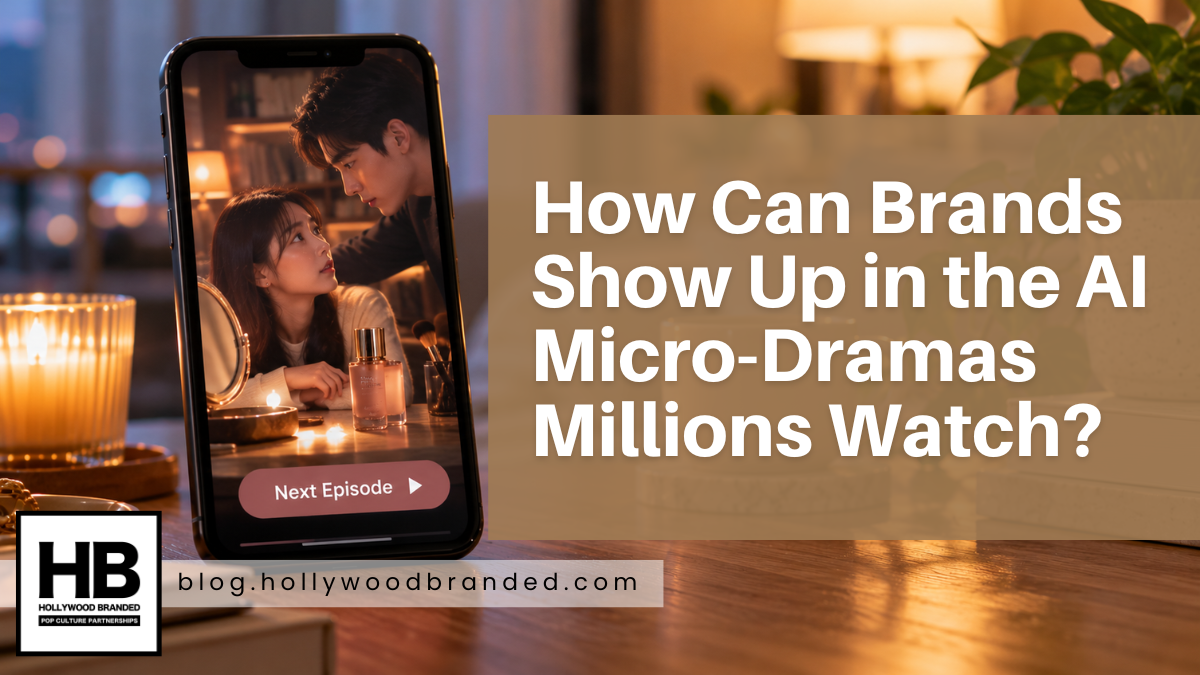
Micro-dramas are short, serialized dramas filmed for vertical phone screens, with episodes that usually last one to two minutes and end on a cliffhanger. A full series can be watched in 30 minutes to an hour, and the stories lean on big emotions, like family secrets, revenge and romance. China built the format first, and its short drama market reached roughly $6.9 billion in 2024, passing the country's annual box office for the first time, according to MIT Technology Review. The same report cites an Omdia estimate that the global micro-drama market will grow from $11 billion in 2025 to $14 billion by the end of 2026. For brands, those numbers mean micro-dramas are no longer a niche experiment but a real entertainment category.
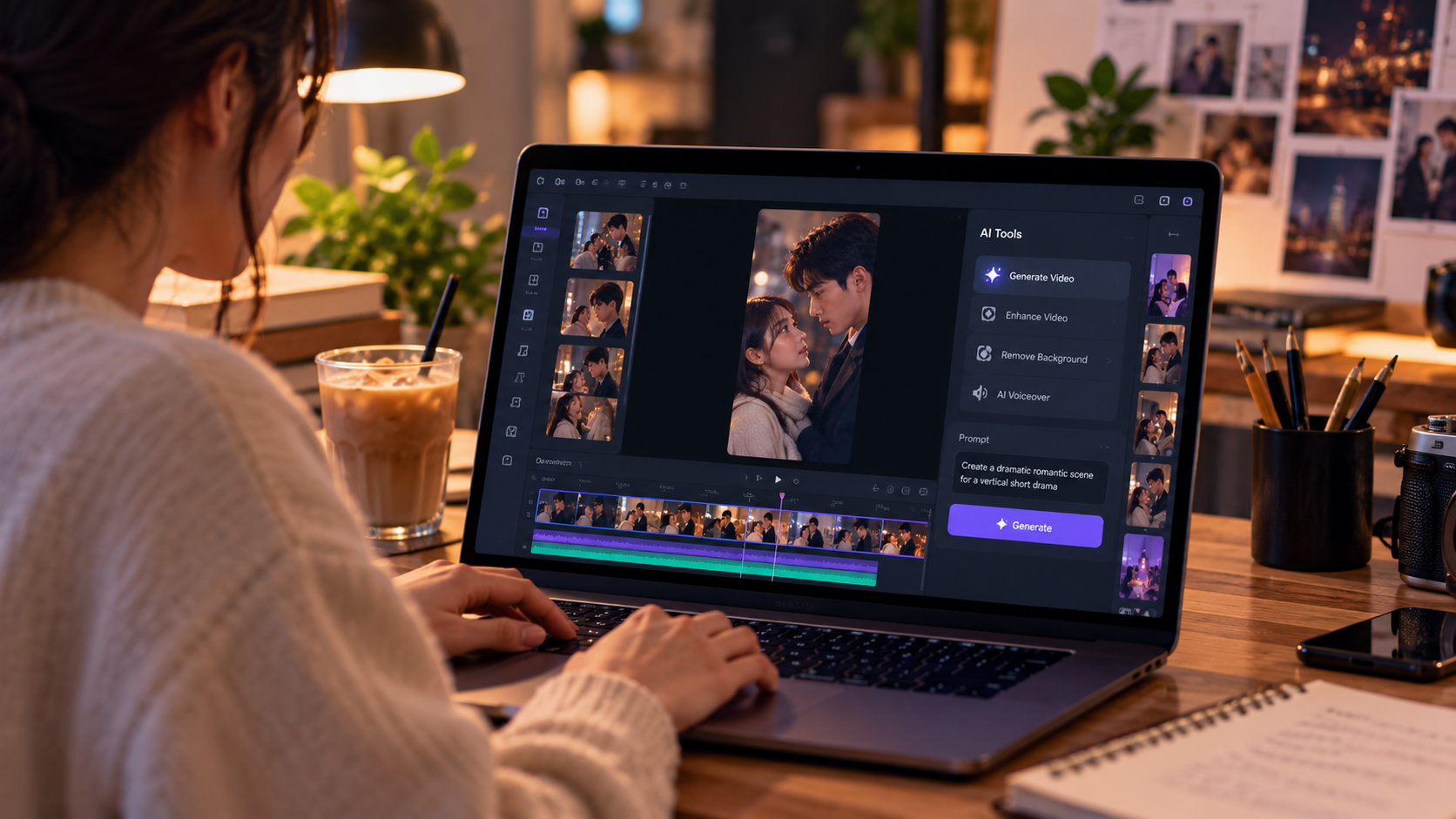
AI is changing how fast these dramas get made. MIT Technology Review reports that China released an average of 470 AI-generated short dramas per day in January, citing data from DataEye. One producer told the publication that AI cut production timelines from three to four months to under a month, and some productions are now made entirely with AI, with no actors or camera crews. Tools like Kuaishou's Kling and ByteDance's Seedance are part of that shift. For brands, faster and cheaper production means more stories, more chances to appear in them and more room to test ideas before committing big budgets.
Where in Asia Are Micro-Dramas Taking Off?
Micro-dramas are taking off across Asia, led by China and spreading quickly through Southeast Asia. In the Philippines, growth is being driven by local-language dubbing and by highlight clips on Facebook and TikTok that pull viewers into dedicated apps, according to a July KOFICE report cited by The Korea Times. The same article reports that 9 million AIS customers in Thailand use vertical series apps every month, and that Chinese apps such as DramaBox and ReelShort rank near the top of app charts in Vietnam. Globally, DramaBox has passed 290 million downloads and ReelShort 272 million, the paper reports. The format also travels well beyond Asia, since the United States now provides around half of micro-drama revenue outside China, according to DataEye figures cited by MIT Technology Review.
How people pay for micro-dramas differs by market, and that shapes how brands can get involved. In China and the US, many viewers pay to unlock episodes, while in more price-sensitive markets in Southeast Asia, free, ad-supported apps are winning the audience, as The Current reports. Ad-supported apps open the door for sponsorships and in-app advertising, and some platforms are already exploring programmatic ads. Apps are also moving from subtitled Chinese dramas toward locally produced stories, which makes local brand integration more natural. For a global brand, that means the right approach in Manila or Bangkok may look different from the right approach in Los Angeles.
How Can Brands Get Into AI Micro-Dramas?
Brands can get into micro-dramas by placing products in existing series, creating their own branded series, making episodes shoppable or sponsoring free drama apps. Chinese brands have led the way with branded series, where the brand is written into the plot itself. Starbucks China released a time-travel drama on Douyin about a barista who opens a coffee business in ancient times, and it reportedly drew 80 million views, according to KrASIA.
KFC China made its own fantasy series about a chicken-loving empress reborn as a modern actress, which reportedly passed 100 million views and promoted weekend deals in real time, as Inside Retail Asia reported. In the West, WWE partnered with ReelShort in July 2026 on an original live-action micro-drama starring WWE Superstars, and a ReelShort executive said brand partnerships are moving beyond simple product placement, according to Señal News.
Shoppable placement is one of the most interesting options for consumer brands. The Korea Times reports that some micro-drama apps let viewers buy cosmetics, fashion and other products used by characters on screen, turning a cliffhanger into a checkout. That works especially well for beauty and fashion, where viewers already want to copy what their favorite characters wear and use. Brands that are new to the format can start smaller, with an integration inside an existing series, before investing in their own show. As my colleague Chelsea Collins wrote in our earlier microdrama guide, the choice usually comes down to owning the story or showing up inside someone else's.
What Are the Main Ways Brands Can Show Up in Micro-Dramas?
| Way in | What it looks like | Best for |
|---|---|---|
| Integration in an existing series | Product used or named by characters inside a drama | Testing the format quickly with lower cost |
| Brand-owned series | A short drama the brand creates, with the brand built into the story | Brands that want full control of the story and reusable content |
| Shoppable placement | Viewers can buy products characters use, inside the app | Beauty, fashion and lifestyle products |
| Ad-supported sponsorship | Ads or sponsorships inside free micro-drama apps | Reaching big audiences in price-sensitive markets |
What Should Brands Watch Out For With AI Micro-Dramas?
Brands should watch out for brand safety, rights issues, disclosure and quality before jumping into AI micro-dramas. Many popular storylines revolve around affairs, revenge and family drama, so brands need to check that a series fits their values and audience before signing on. AI production also raises rights questions, and the OECD AI Incidents Monitor has logged reports of AI-generated short dramas causing industry disruption and rights violations in China, as noted in its incident record. Any brand appearing in an AI-made drama should make sure the content does not copy real people, existing characters or other protected work without permission. Disclosure rules also apply, since paid placements and sponsored content need to be clearly labeled in many markets, including the United States.
Quality and measurement matter just as much. Because AI makes dramas fast and cheap, the market is filling up with content, and not every series will hold an audience. Brands should look at a platform's real viewing data, ask how placements will be tracked and agree on what success looks like before production starts. At Hollywood Branded, we help brands research which platforms, productions and partners fit their goals, then build partnerships designed for Mutual Benefit, so the brand, the platform and the audience all get value. Nothing here is legal advice, so involve your legal team before signing any AI content or placement deal.
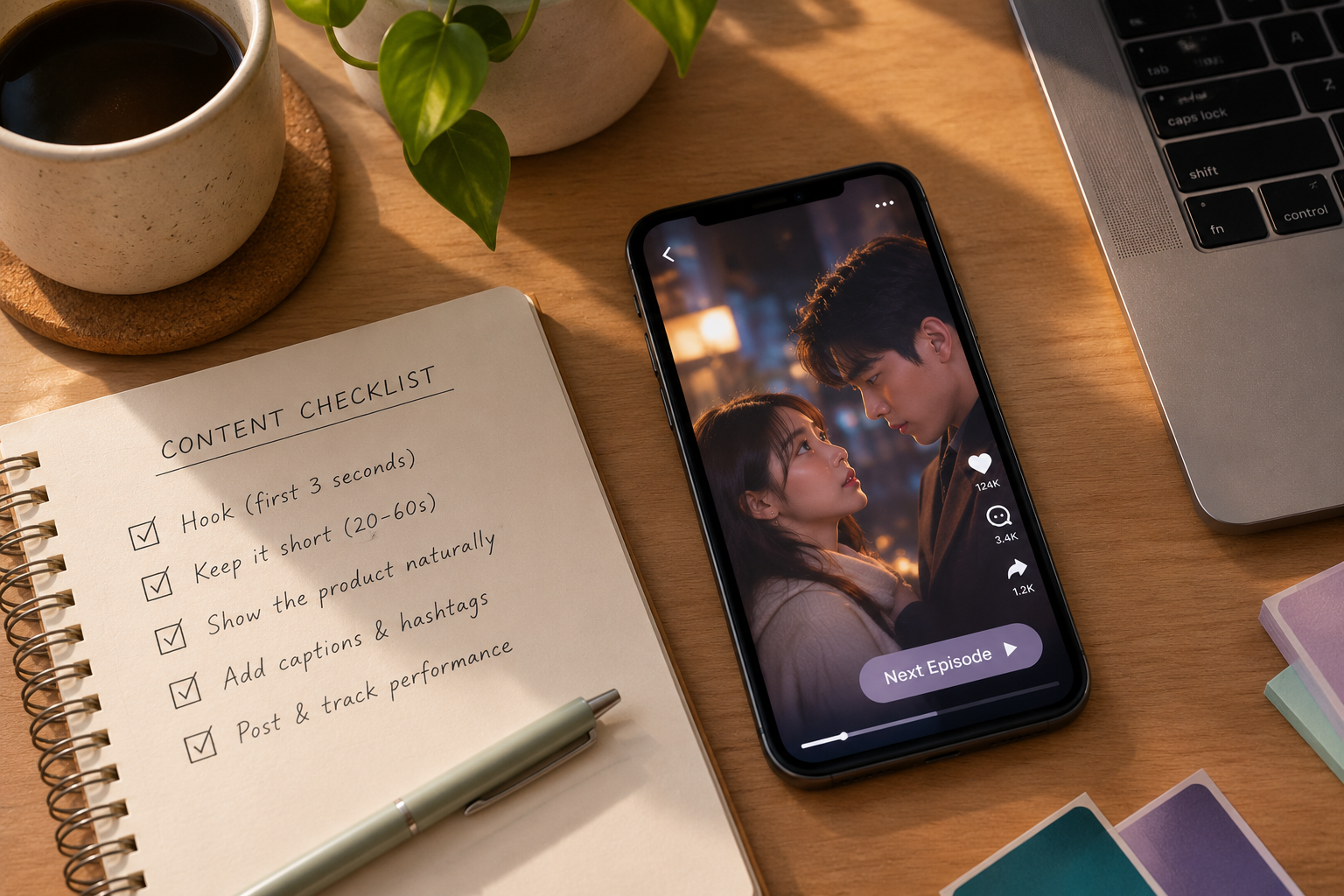
- Check the storyline: make sure the plot and tone fit your brand.
- Ask about AI rights: confirm the content does not use real likenesses or copied work without permission.
- Label it clearly: follow disclosure rules in every market where the content runs.
- Agree on metrics first: decide how views, clicks or sales will be measured.
- Start small: test an integration before funding a full branded series.
What Should Marketers Take Away From the AI Micro-Drama Boom?
AI micro-dramas are turning spare minutes into one of the fastest-growing forms of entertainment, and brands have more ways than ever to be part of the story. China shows what is possible with branded series, Southeast Asia shows how free, local and dubbed content can win huge audiences, and Western deals like WWE and ReelShort show the format is going global. AI makes these dramas faster and cheaper to make, which creates real opportunities but also real risks. The brands that win will be the ones that choose the right story, protect their reputation and measure what works. Micro-dramas do not replace film and TV placement. They are another screen where the same storytelling skills apply, and for marketers planning 2027, they deserve a spot on the test list alongside traditional productions.
Eager To Learn More?
If micro-dramas have your brand thinking about its next big story, these Hollywood Branded reads are a great place to keep going:
- Microdramas: Hollywood's Fastest-Moving Brand Partnership Model
- Creator vs. Celebrity Partnerships: Which Is Right for Your Brand?
- Why Are Reality TV Stars and Influencers Taking Over Broadway?
- The Billion Dollar Power Play: Mastering Licensing Partnerships
- How Do Music Partnerships Build Brand Memory That Lasts?
Want to stay in the know with all things pop culture? Look no further than our Hot in Hollywood newsletter! Each week, we compile a list of the most talked-about moments in the entertainment industry, all for you to enjoy!