Quick Answer
What can LA 2028 brands learn from past Olympic campaigns? Hollywood Branded breaks down the wins, flops and lessons from Paris to Milano Cortina.
Why Should LA 2028 Marketers Study Past Olympic Campaigns?
The Olympic brands that win are the ones that become part of the experience, commit to one story over several Games, and plan for moments they can't control. The brands that lose are the ones that chase exposure without asking whether the association actually fits.
With Milano Cortina 2026 behind us and the LA28 opening ceremony set for July 14, 2028, the window to apply those lessons is already open. A decade of Olympic activations, from Rio to Paris to the Italian Alps, shows a clear pattern of what moves the needle and what turns into expensive wallpaper. In this article, Hollywood Branded shares the Olympic brand campaigns that worked, the ones that backfired, and what LA 2028 marketers should take from both.
This is Part 6 of our LA 2028 Olympic Marketing Series. Part 1 covered the LA 2028 countdown. Part 2 mapped the sponsorship ladder. Part 3 broke down athlete partnerships. Part 4 made the case for flag football. Part 5 explained Rule 40.
 Photo Credit: LA28.org
Why Does Integration Beat Signage at the Olympics?
The Olympic brands that win put their product inside the moment instead of next to it. At Paris 2024, LVMH reportedly contributed about €150 million and received integration no sponsor had seen before, with medals presented on Louis Vuitton trays, the torch carried in a custom trunk and presenters dressed in Berluti.
Samsung took a similar approach with its Victory Selfie, handing medalists Galaxy phones for official podium selfies that spread across social media almost instantly. At Milano Cortina 2026, the program returned with the Galaxy Z Flip7 Olympic Edition and expanded to every Paralympic event, including team competitions. Neither brand needed to shout its name, because the product was part of the most emotional moments of the Games.
Milano Cortina 2026 pushed the same idea into physical space. Sponsors turned Milan and Cortina into a network of brand houses, from Casa Corona to Samsung House, mixing hospitality, content and commerce for the full length of the Games.
Airbnb opened Casa Airbnb in Milan and launched 26 bookable Olympian and Paralympian Experiences, while Visa brought its Team Visa platform to life with athlete appearances. Brand houses let a brand host the conversation instead of paying to interrupt it.
In a city built on premieres, red carpets and immersive fan events, LA 2028 marketers should ask two questions: what is our version of the podium moment, and where is our home base?
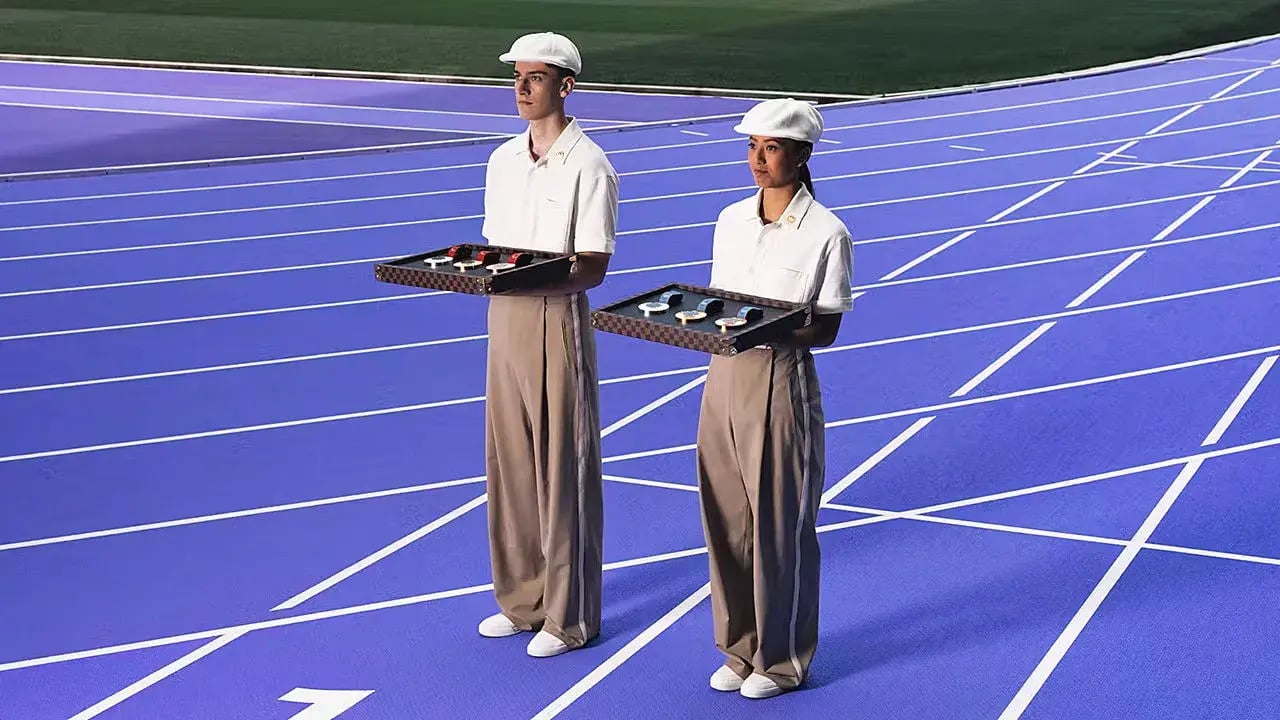 Photo Credit: The Economist
Why Do Long-Term Olympic Commitments Pay Off?
The Olympic partnerships people remember are the ones that show up the same way, Games after Games. Ralph Lauren has designed Team USA's ceremony uniforms since 2008, and Milano Cortina 2026 marked its 10th consecutive Games. The brand starts each Olympics' looks about two and a half years out, and its LA 2028 designs were already in progress before the Winter Games began. Instead of chasing trends, it refines a classic American design language each cycle. That patience has made Ralph Lauren synonymous with the moment Team USA walks into the stadium, an association that took nearly two decades to build.
P&G proved the same point with emotion instead of design. Its "Thank You, Mom" campaign launched in 2010 for the Vancouver Games and carried through London 2012 and Rio 2016, centering every spot on the parent behind the athlete rather than on a single product. Because P&G owns dozens of brands, one emotional idea lifted the whole portfolio. By Paris 2024, though, P&G stepped away from the corporate campaign and focused on individual brands like Pampers, Gillette and Ariel. The lesson for LA 2028 is to commit to one story long enough for it to compound, and to keep earning its place in the budget.
Photo Credit: The New York Times
Why Do Some Olympic Brand Partnerships Backfire?
Olympic partnerships backfire when the brand stops fitting the moment. McDonald's had been an Olympic sponsor since 1976, and in 2017 it ended its deal three years early, closing a 41-year relationship. As public concern about nutrition grew, pairing the world's biggest fast-food chain with the world's premier athletic event became harder to defend. A platform that once delivered global reach had started working against the brand. The takeaway is simple: alignment matters more than exposure, so pressure-test the fit before pricing the deal.
The other risk is everything a sponsor cannot control. At Euro 2020, Cristiano Ronaldo moved two Coca-Cola bottles out of frame and held up water, and headlines claimed it wiped $4 billion off Coca-Cola's value, though later analysis showed the stock was already down before the press conference began.
At Paris 2024, an opening ceremony scene drew criticism as a parody of "The Last Supper," and although director Thomas Jolly said it was inspired by a Greek feast of the gods, organizers still apologized and every sponsor was tied to the controversy. Today's athletes are more vocal than ever, and a Hollywood-produced LA ceremony is likely to take creative risks. Brands need a response plan ready before the Games, not after.
What Does This Mean for Brands Planning Around LA 2028?
LA 2028 will reward brands that do the strategic work early, because the Games are already taking shape. As of August 2026, Allstate became the ninth LA28 Founding Partner, joining Comcast, JPMorgan Chase, Delta, Google, Honda, Intuit, Korn Ferry and Starbucks. LA28 also secured IOC approval in August 2025 to sell venue naming rights, a first for the Olympics.
Venues are spread across Southern California, with swimming at SoFi Stadium, basketball at the Intuit Dome and 11 sports in Long Beach. The line between sports event and brand experience, which Paris blurred, is about to disappear in a city that understands production value better than anywhere on earth.
Not every brand needs a founding partnership to take part. Athlete partnerships, brand houses, content tied to the Games and product placement in Olympic-adjacent entertainment all offer ways in at different budget levels, within Rule 40 limits. What every path has in common is lead time, because athlete contracts, creative and LA activation logistics all take months.
Hollywood Branded is based in Los Angeles and has tracked Olympic brand strategy since Rio 2016, which gives us a close view of how these opportunities come together. The brands that start mapping their Olympic story now will have options that late movers will not.
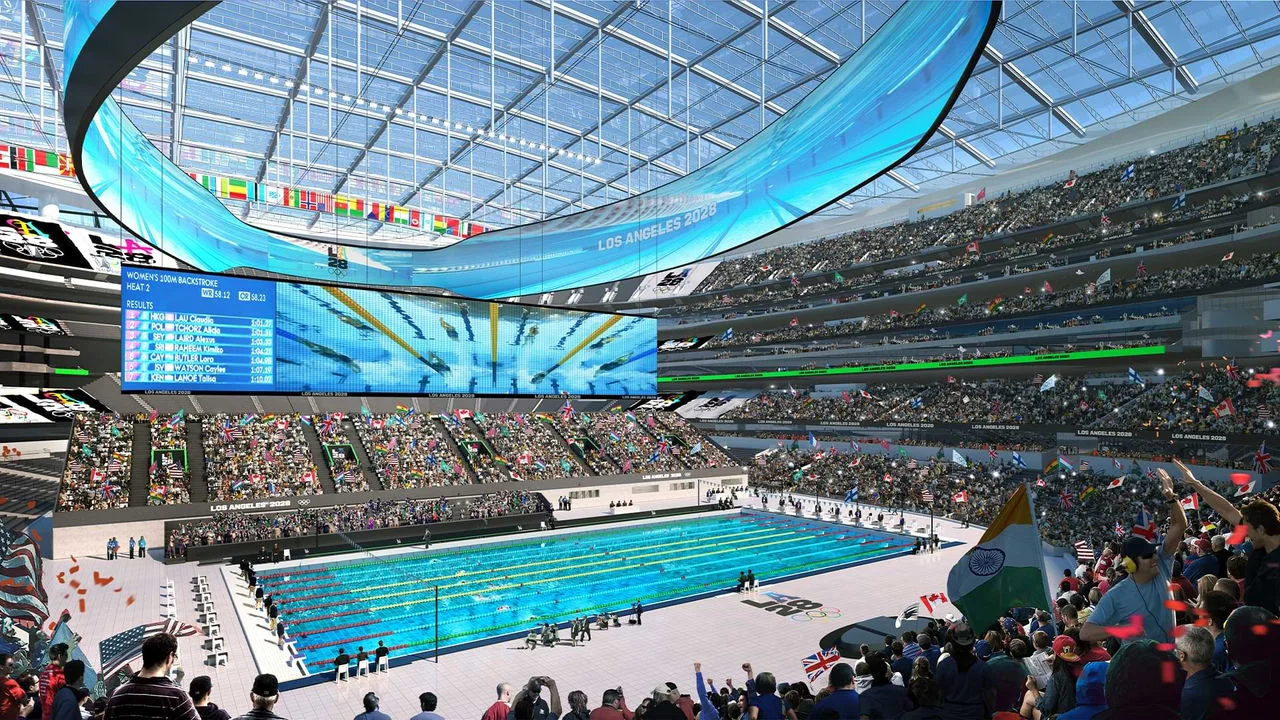 Photo Credit: LA28.org
What Should Marketers Take Away Before LA 2028?
The Olympics reward brands that do the work up front, and a decade of activations proves it. LVMH, Samsung and the Milano Cortina brand houses won by becoming part of the experience. Ralph Lauren and P&G won by committing to one story across several Games. McDonald's, Coca-Cola and the Paris sponsors showed that fit and preparation matter as much as reach. For marketers, the message is clear: the Games amplify whatever strategy a brand brings to them, good or bad.
Three takeaways stand out for LA 2028:
- Integrate, don't interrupt. Put the product inside an emotional moment instead of next to it.
- Commit to a story. One consistent idea across several Games compounds, while one-off campaigns fade.
- Plan for what you can't control. Have a response plan ready for athletes, ceremonies and culture flashpoints.
Photo Credit: Samsung Newsroom
Eager To Learn More?
If you're mapping your brand's road to LA 2028, these Hollywood Branded insights go deeper on Olympic and sports marketing:
- The Smart Brand's Guide to LA 2028
- From Ad-Free Zones to Strategic Branding: How the Olympics Are Evolving
- How Brands Are Leveraging the Paris Olympics for Global Reach
- Olympic Celebrity Endorsements During the Games
- Olympic Athletes That Brands Should Work With
Next in our LA 2028 Olympic Marketing Series: the summer athlete scouting report, covering which athletes are on track for LA 2028 and where brands should be placing their bets now.
Want to stay in the know with all things pop culture? Look no further than our Hot in Hollywood newsletter! Each week, we compile a list of the most talked-about moments in the entertainment industry, all for you to enjoy!